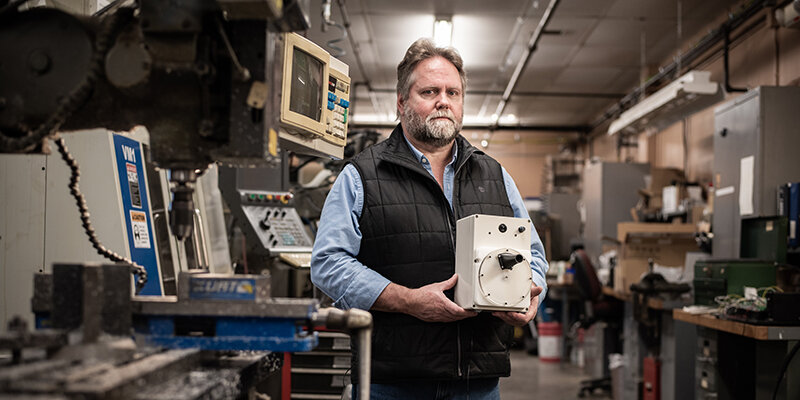
A commercial ventilator can have 1500 parts supplied from more than a dozen countries. UVM engineer Carl Silver built the first prototype of an emergency ventilator in one day with parts he found in his house and UVM’s IMF Lab. He’s part of a Vermont team seeking emergency review from the FDA to make the ventilator available for hospitals overwhelmed with COVID-19 patients. They’ll be sharing the innovative design—and looking for support and manufacturing partners. Credit: Ian Thomas Jansen-Lonnquist
Over the last three weeks, a team of scientists, engineers and doctors at the University of Vermont have developed a new design—and built a working model—for a simple, inexpensive ventilator.
“We think these could be rolled out very quickly and be effective on an emergency b...
Genetic variations in the skin can create a natural sunscreen, according to University of Queensland researchers investigating the genes linked with vitamin D.
Professor John McGrath from UQ’s Queensland Brain Institute said this was one of a number of ways vitamin D affected the body in a collaborative study that looked at the genomes of more than half a million people from the United Kingdom.
“This study has implicated several new skin-related genes that impact on our vitamin D status – distinct from skin colour which affects our ability to make vitamin D depending on the concentration of the pigment melanin in the skin,” Professor McGrath said.
“Vitamin D is the sunshine hormone and we need bright sunshine on the skin to make it, but variations in our genes also influence ...
Cellex’s test is distinctly different from the nearly two dozen diagnostic tests the FDA has officially authorized so far, which focus on finding active infections by sequencing the genetic material of the virus. (Rawpixel)
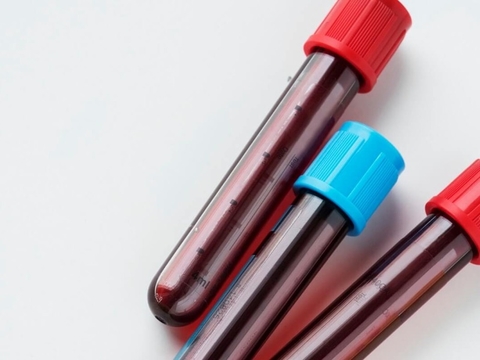
The FDA granted its first emergency authorization for a rapid antibody blood test for COVID-19, developed by Cellex, allowing people to gauge a person’s immune response to the novel coronavirus.
The serological test—which uses a fingerprick of blood and a small strip, similar to a combination of a blood glucose test and a home pregnancy exam—detects two different types of antibodies produced by the body to fight off the infection. Available by prescription, this can be used to determine whether a person has been previously infected and possibly recovered.
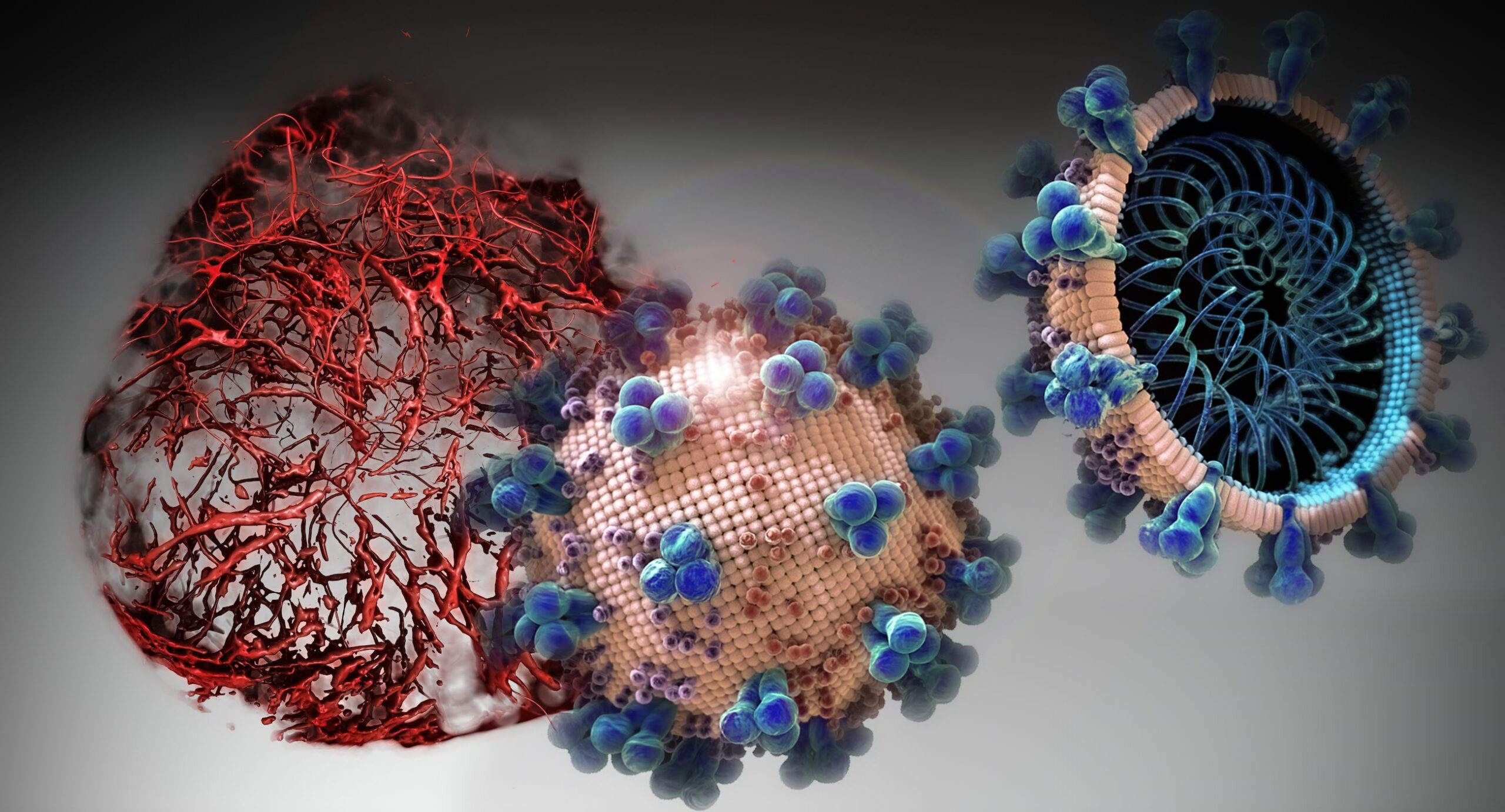
In cell cultures analyzed in the current study, hrsACE2 inhibited the coronavirus load by a factor of 1,000-5,000. Credit: IMBA/Tibor Kulcsar
An international team led by University of British Columbia researcher Dr. Josef Penninger has found a trial drug that effectively blocks the cellular door SARS-CoV-2 uses to infect its hosts.
The findings, published today in Cell, hold promise as a treatment capable of stopping early infection of the novel coronavirus that, as of April 2, has affected more than 981,000 people and claimed the lives of 50,000 people worldwide.
The study provides new insights into key aspects of SARS-CoV-2, the virus that causes COVID-19, and its interactions on a cellular level, as well as how the virus can infect blood vessels and kidneys.





Recent Comments