Category Health/Medical

Novel protein therapy shows promise as first-ever antidote for carbon monoxide poisoning

New protein therapy shows promise as first-ever antidote for carbon monoxide poisoning
The natural protein RcoM. Credit: University of Maryland School of Medicine

University of Maryland School of Medicine (UMSOM) researchers, along with their colleagues, engineered a new molecule that appears promising as an effective antidote for carbon monoxide poisoning with fewer side effects than other molecules currently being tested, according to a new study published in the journal PNAS.

Carbon monoxide poisoning accounts for 50,000 emergency room visits in the U.S. each year and causes about 1,500 deaths. These deaths may occur when carbon monoxide released from combustion builds up in an enclosed space, which can result from ventilation failures in indoor natural gas burning equipment, or running gasoline generators or automobiles indoors or in a closed garage...

Read More

One Fruit, 1600 Compounds, Countless Health Benefits

Fresh grapes contain a potent mix of over 1,600 compounds that benefit heart, brain, skin, and gut health. New evidence suggests they deserve official superfood recognition, with benefits even at the genetic level.

A new article appearing in the current issue of the peer-reviewed Journal of Agriculture and Food Chemistry explores the concept of “superfoods” and makes a case that fresh grapes have earned what should be a prominent position in the superfood family. The author, leading resveratrol and cancer researcher John M. Pezzuto, Ph.D., D.Sc., Dean of the College of Pharmacy and Health Sciences at Western New England University, brings forth an array of evidence to support his perspective on this issue.

As noted in the article, the term “superfood” is a common word without an...

Read More

Natural maple polyphenol found to inhibit tooth decay bacteria in new study

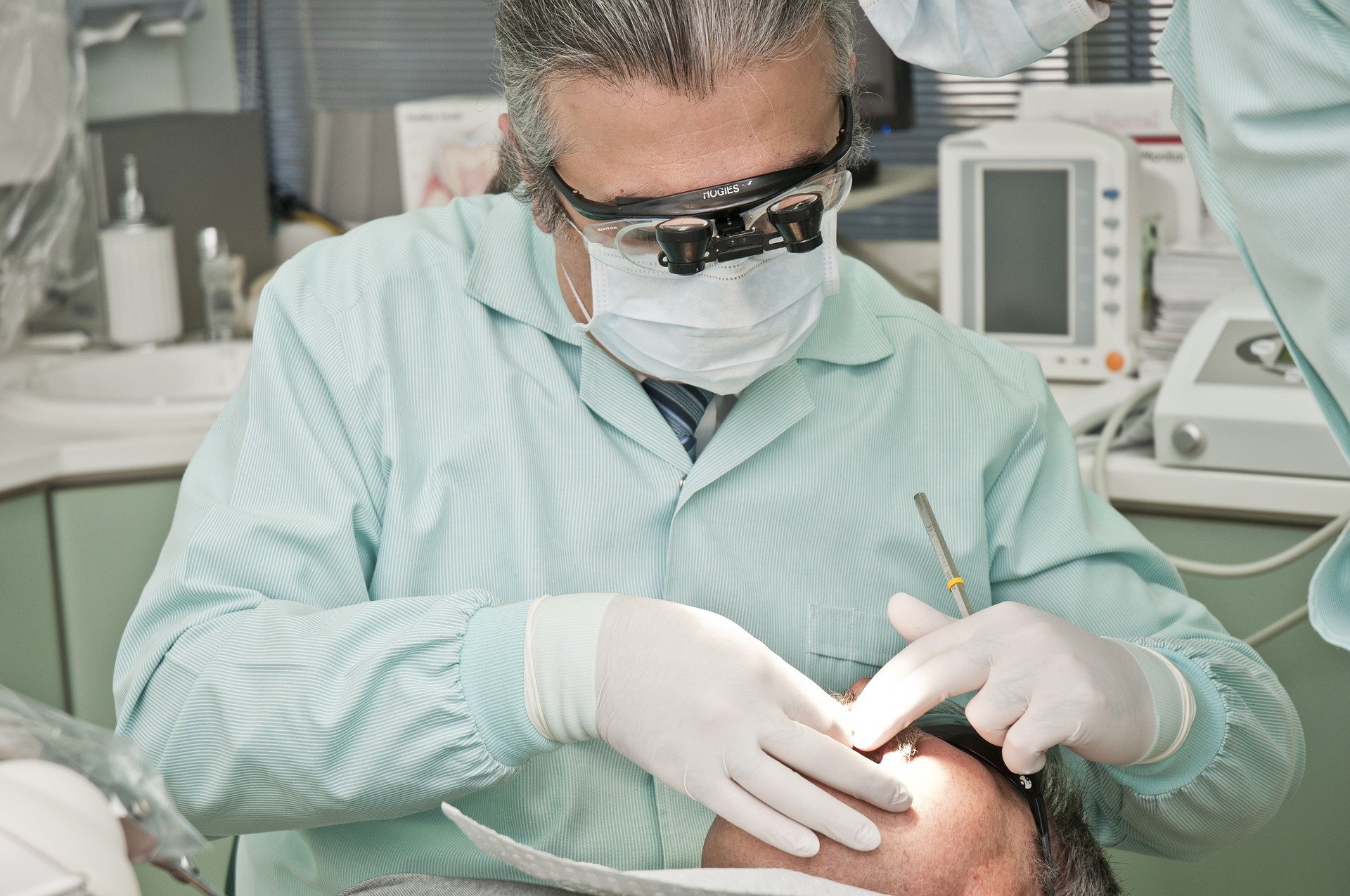
dentist
Credit: CC0 Public Domain

A new study in the journal Microbiology Spectrum highlights the potential of using a natural compound from maple to combat the bacteria responsible for tooth decay: Streptococcus mutans.

The compound, epicatechin gallate, is a powerful and safe alternative to traditional plaque-fighting agents. Its natural abundance, affordability and lack of toxicity make it especially promising for inclusion in oral care products such as mouthwashes, offering a safer option for young children, who often accidentally swallow mouthwash.

The new study emerged as an offshoot of research into natural compounds that inhibit biofilm formation in Listeria monocytogenes, a foodborne pathogen.

As is often the case in science, the researchers made an unexpected observation tha...

Read More

Lithium loss ignites Alzheimer’s, but lithium compound can reverse disease in mice

One pair of boxes shows fewer green amyloid clusters on the left and more on the right. Another pair of boxes shows a dim arc of purple and red tau on the left and a brighter arc on the right.
Top row: In a mouse model of Alzheimer’s disease, lithium deficiency (right) dramatically increased amyloid beta deposits in the brain compared with mice that had normal physiological levels of lithium (left). Bottom row: The same was true for the Alzheimer’s neurofibrillary tangle protein tau. Images: Yankner Lab

What is the earliest spark that ignites the memory-robbing march of Alzheimer’s disease? Why do some people with Alzheimer’s-like changes in the brain never go on to develop dementia? These questions have bedeviled neuroscientists for decades.

Now, a team of researchers at Harvard Medical School may have found an answer: lithium deficiency in the brain.

The work, published in Nature, shows for the first time that lithium occurs naturally in the brain, shields it from ...

Read More