


- Machine learning detects bacterial invasion and DNA damage in human cells
- Earth and Mars: Built from different cosmic recipes
- A molecular switch syncs fat burning to the body clock, our diet and the temperature around us
- Ions help electrons hop through porous material with potential for brain-inspired computing
Category Physics
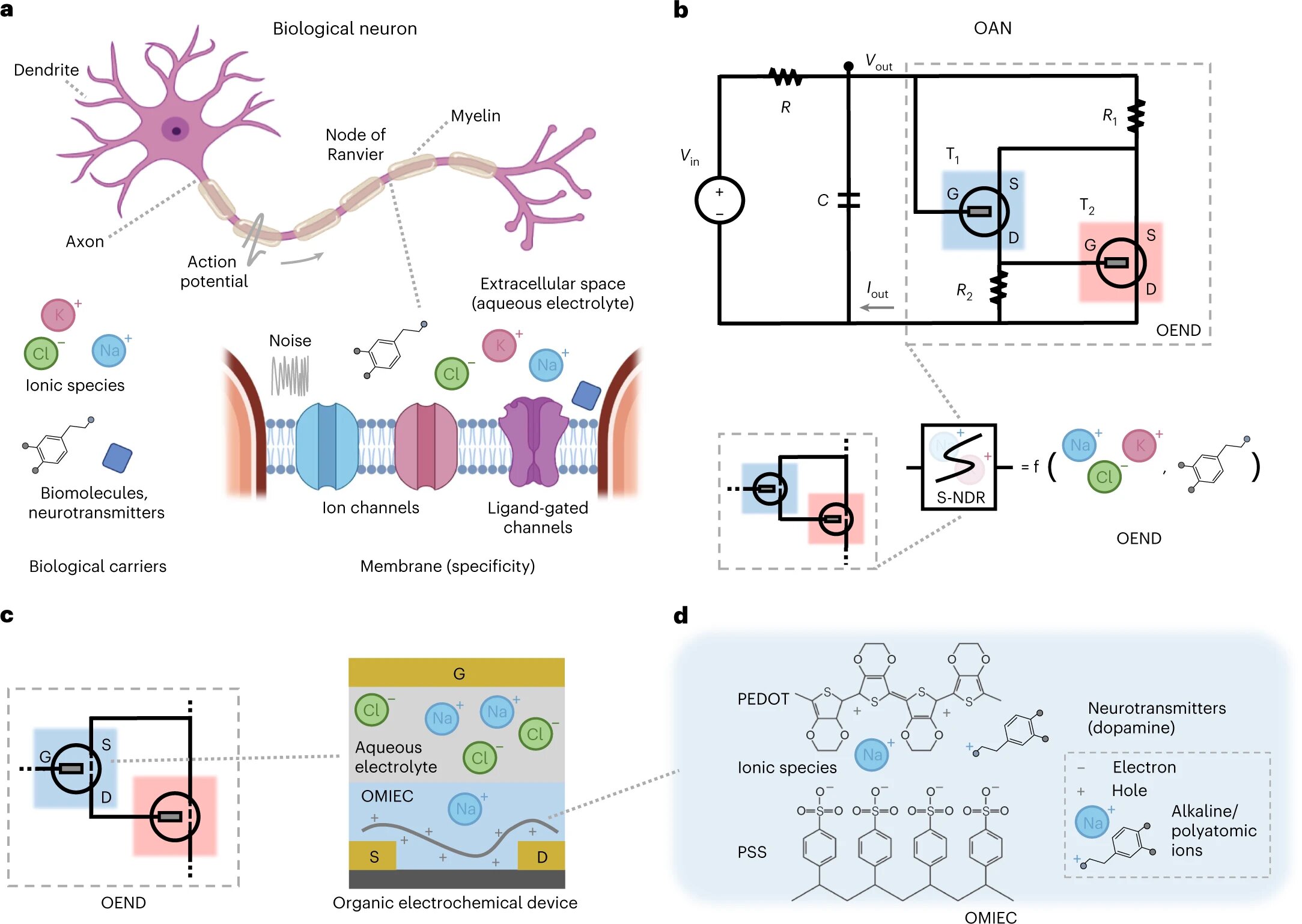
Speaking the Same Language: How Artificial Neurons Mimic Biological Neurons
November 8, 2022,
 Physics
Seeing Clearly into a New Realm – Researchers Prototype a New Generation of Quantum Microscopy
November 8, 2022,
Physics
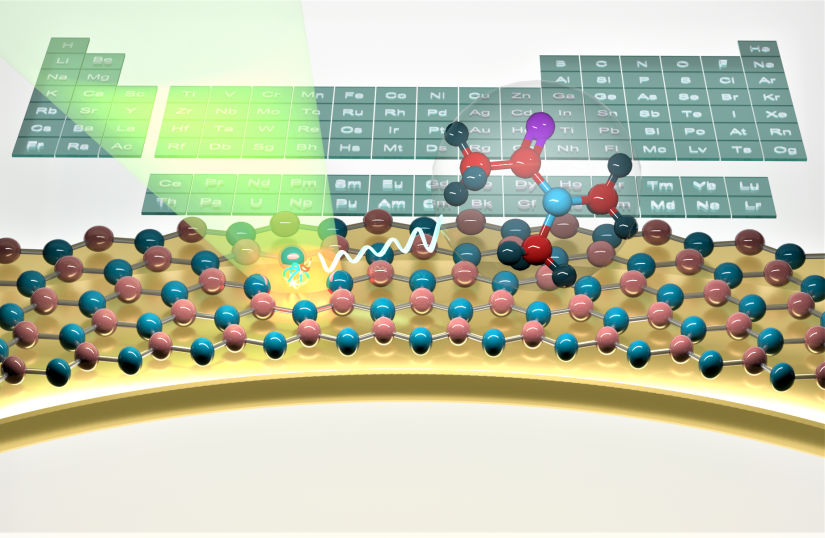
With the advance of quantum technologies, new microscopy modalities are becoming possible – ones that can see electric currents, detect fluctuating magnetic fields, and even see single molecules on a surface. A prototype of such a microscope, demonstrating high resolution sensitivity, has been developed by an Australian research team.
While quantum computing seems like the big-ticket item among the developing technologies based on the behaviour of matter and energy on the atomic and subatomic level, another direction promises to open a new door for scientific research itself — quantum microscopy.
With the advance of quantum technologies, new ...
Read MoreResearchers discover Security Loophole allowing Attackers to use Wi-Fi to See Through Walls
November 4, 2022,
Physics, Technology/Electronics
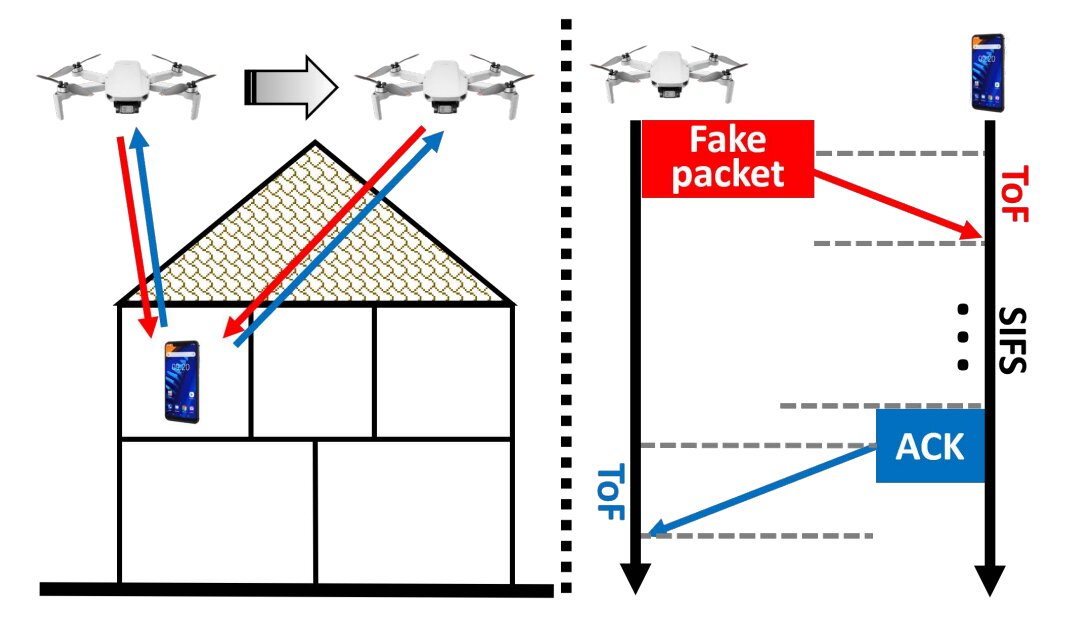
A research team based out of the University of Waterloo has developed a drone-powered device that can use Wi-Fi networks to see through walls. The device, nicknamed Wi-Peep, can fly near a building and then use the inhabitants’ Wi-Fi network to identify and locate all Wi-Fi-enabled devices inside in a matter of seconds.
The Wi-Peep exploits a loophole the researchers call polite Wi-Fi. Even if a network is password protected, smart devices will automatically respond to contact attempts from any device within range...
Read MoreSmart Windows that can Polarize Sunlight could offer a Low Energy Alternative to Wi-Fi
November 3, 2022,
Physics, Technology/Electronics
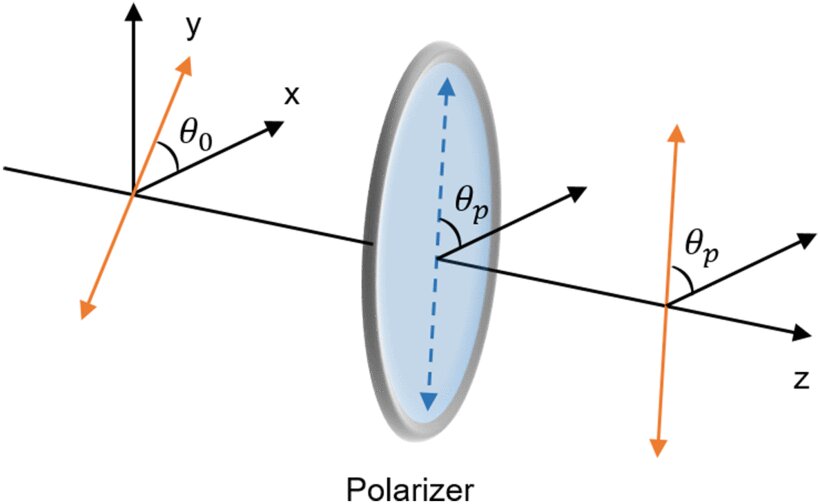
Sunshine streaming through a window could be directly harnessed for wireless data transmission to electronic devices. KAUST researchers have designed a smart glass system that can modulate the sunlight passing through it, encoding data into the light that can be detected and decoded by devices in the room. The use of sunlight to send data would offer a greener mode of communication compared to conventional Wi-Fi or cellular data transmission.
Basem Shihada had been exploring data encoding into an artificial light source when he had the lightbulb moment to use sunshine...
Read More
Recent Comments