
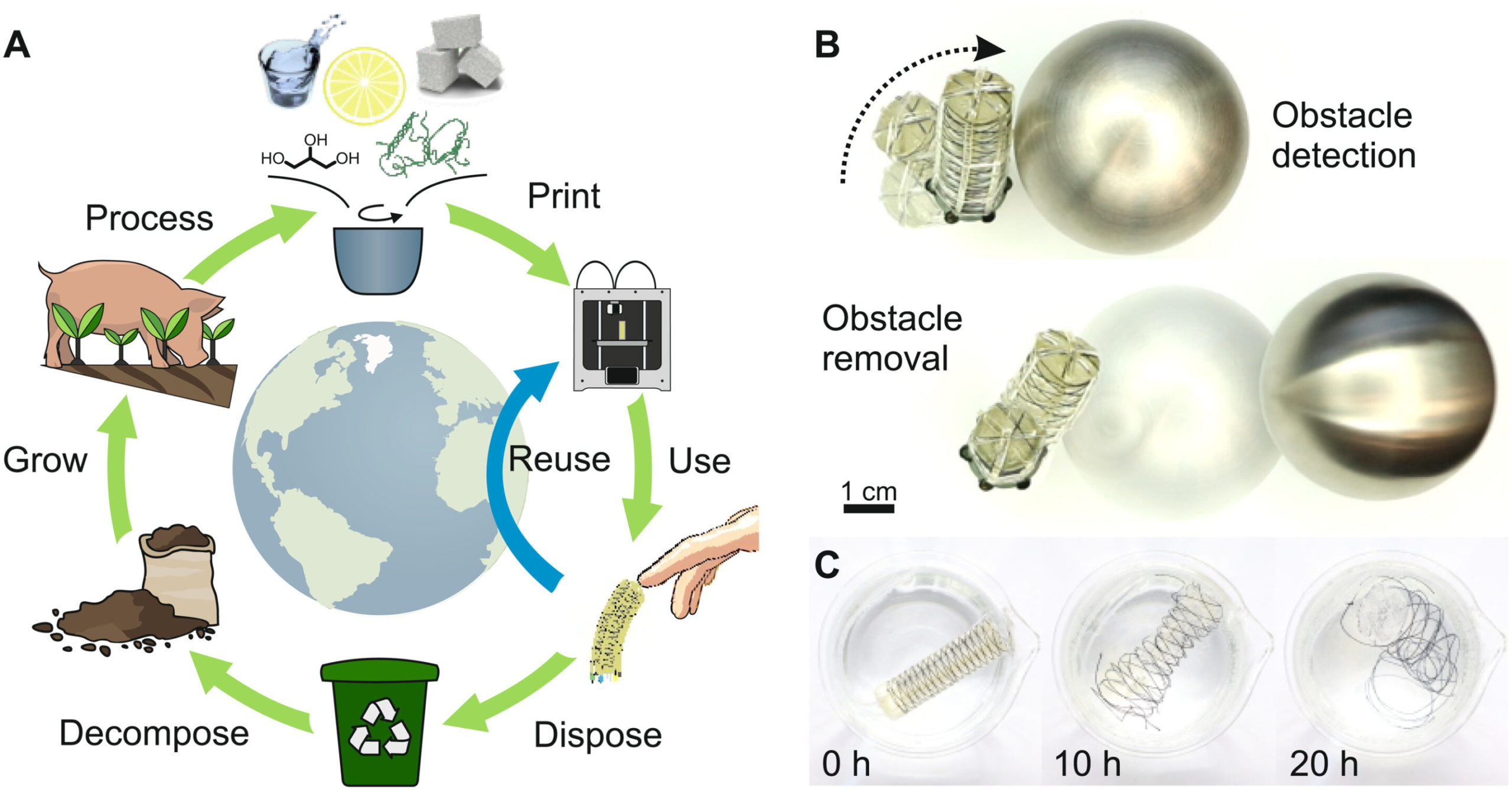
A team of researchers at Johannes Kepler University Linz has used biodegradable materials as ink to print 3D soft robots...
Read More

February 9, 2022,
 Physics, Chemistry/Nanotechnology
A team of researchers at Johannes Kepler University Linz has used biodegradable materials as ink to print 3D soft robots...
Read More
February 8, 2022,
Physics, Technology/Electronics
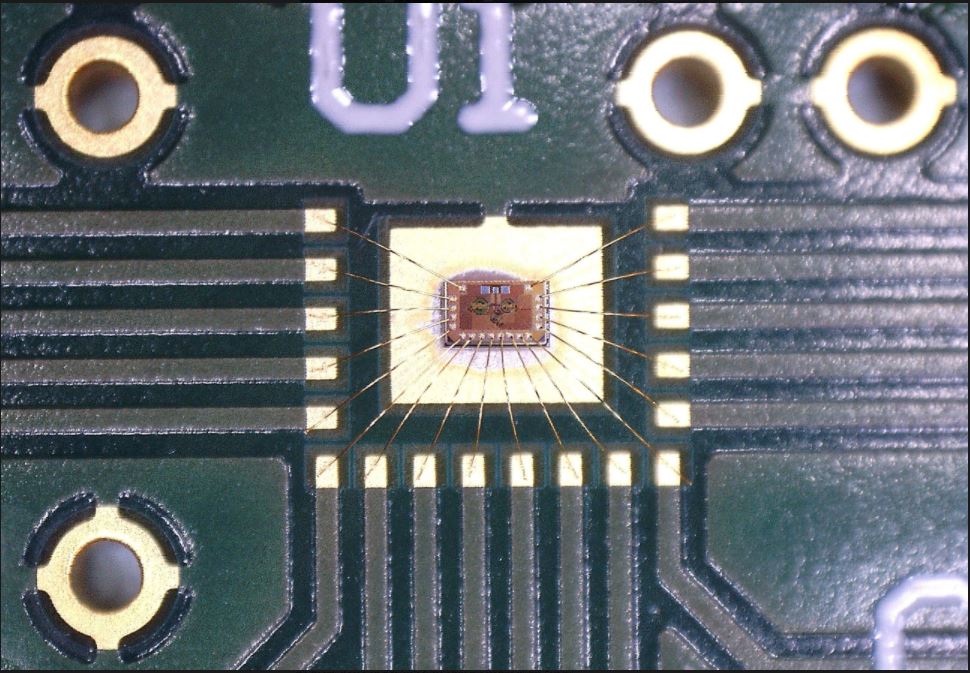
Researchers at École Polytechnique Fédérale de Lausanne (EPFL) and the Hitachi Cambridge Laboratory have recently designed an integrated circuit (IC) that integrates silicon quantum dots with conventional readout electronics. This chip, introduced in a paper published in Nature Electronics, is based on a 40-nm cryogenic complementary metal-oxide semiconductor (CMOS) technology that is readily and commercially available.
“Our recent paper builds on the expertise of the two groups involved,” Andrea Ruffino, one of the researchers at EPFL who carried out the study, told TechXplore...
Read More
February 3, 2022,
Physics
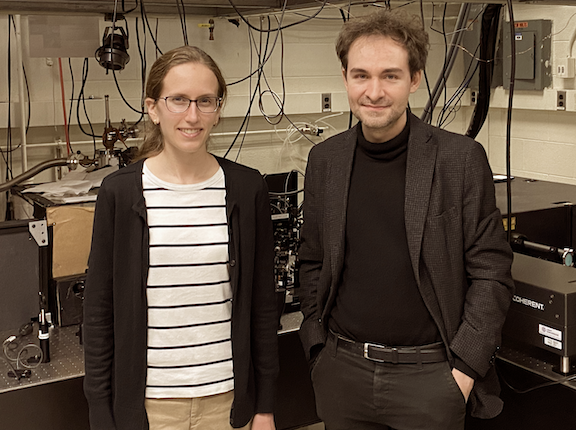
With the help of a “playground” they created for observing exotic physics, MIT scientists and colleagues have not only found a new way to manipulate magnetism in a material with light but have also realized a rare form of matter. The former could lead to applications including computer memory storage devices that can read or write information in a much faster way, while the latter introduces new physics.
A solid material is composed of different types of elementary particles, such as protons and neutrons. Also ubiquitous in such materials are “quasiparticles” that the public is less familiar with...
Read More
February 2, 2022,
Physics, Technology/Electronics
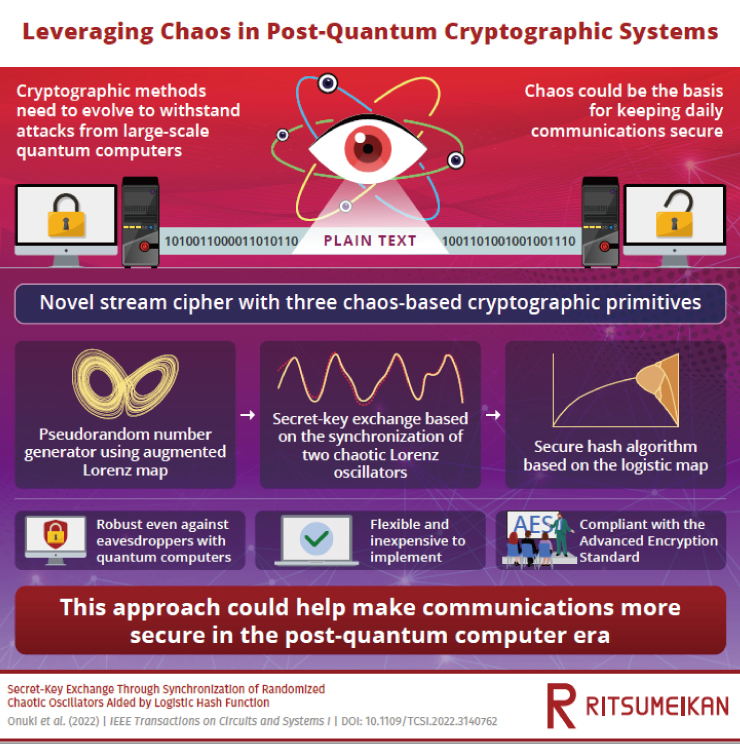
Scientists develop a chaos-based stream cipher that can withstand attacks from large-scale quantum computers. Fast algorithms on quantum computers could easily break many widely used cryptosystems, necessitating more innovative solutions for digital security. In a recent study, a team of scientists designed a stream cipher consisting of three cryptographic primitives based on independent mathematical models of chaos. The resulting cryptographic approach is robust to attacks from large-scale quantum computers and can be implemented on low-cost computers, paving the way to secure digital communications in the post-quantum era.
While for most of us cryptographic systems are things that just run “under the hood,” they are an essential element in the world of digital communications...
Read More
Recent Comments