Category Physics

Electron Family Creates Previously Unknown State of Matter

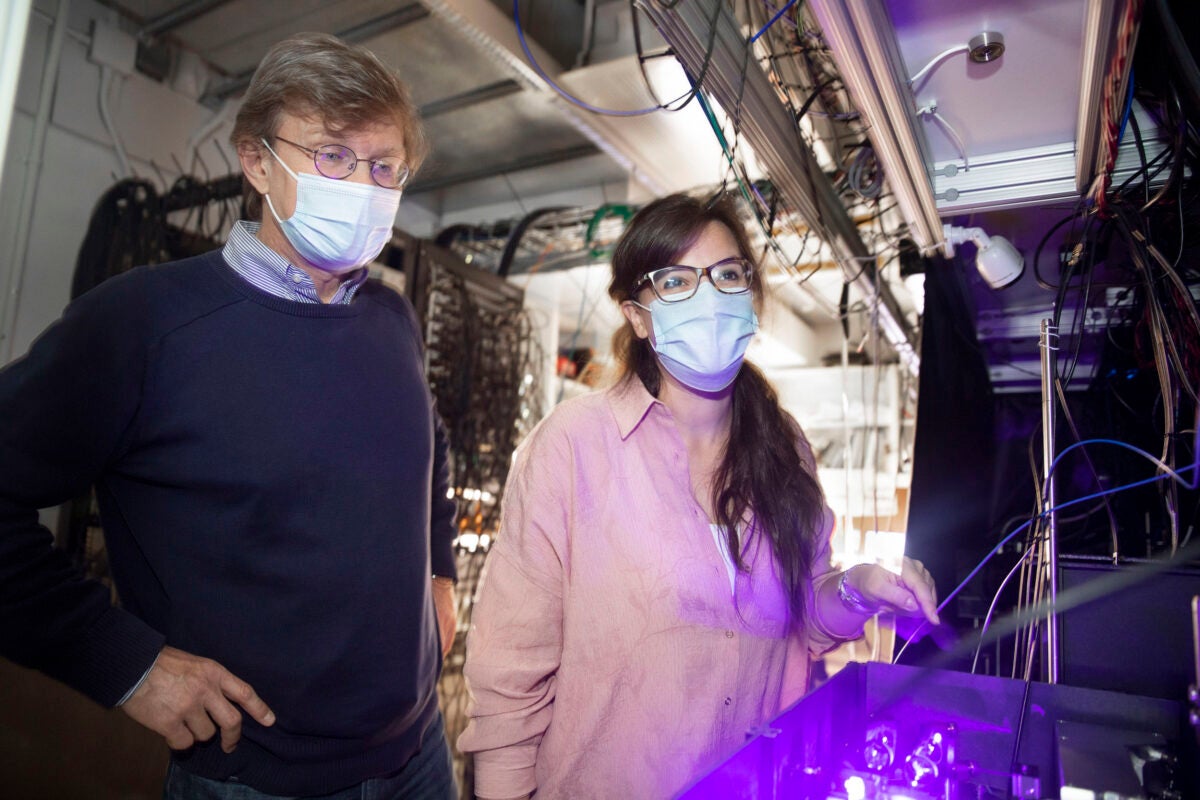
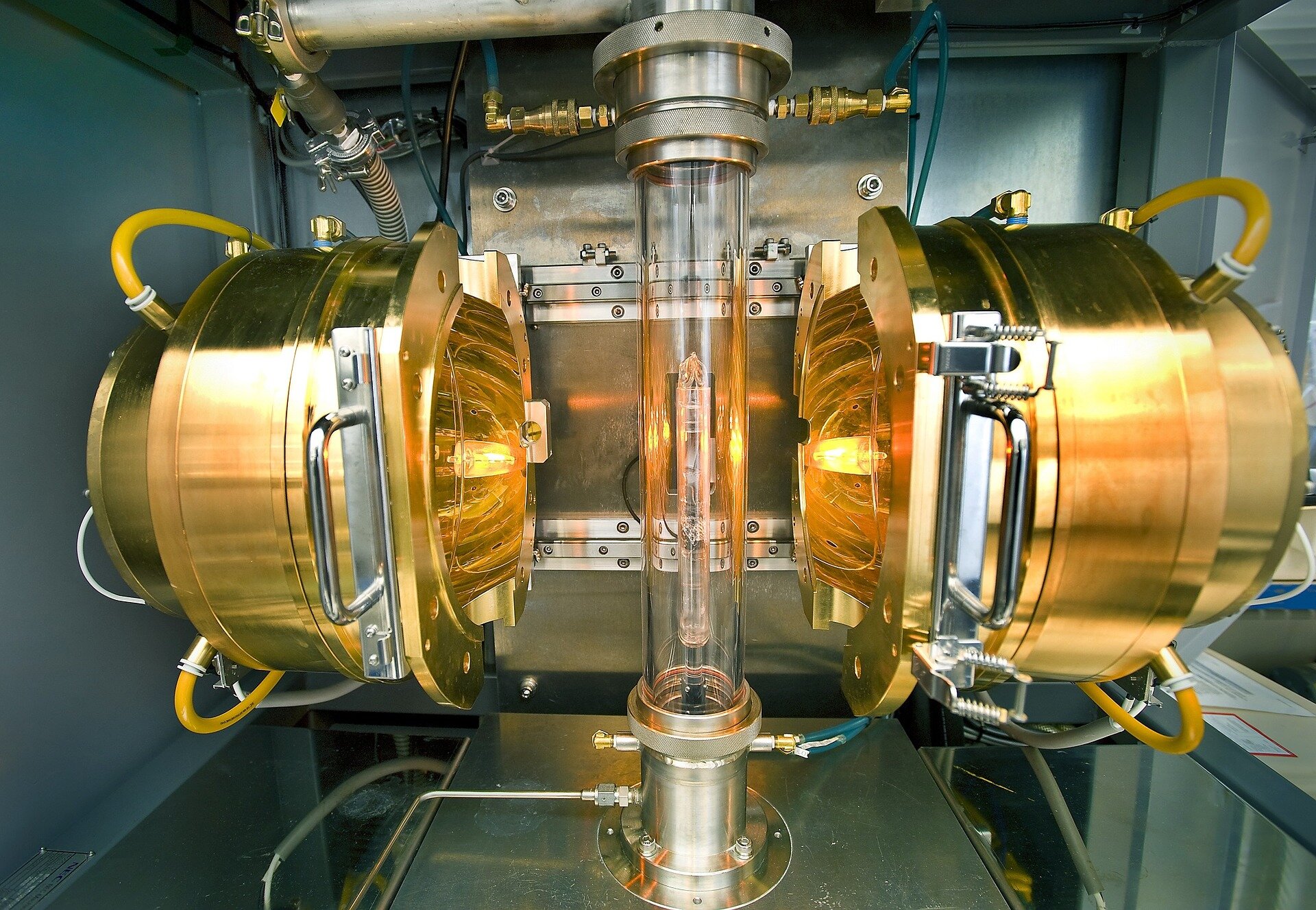
A four-part electron family creates a completely new state of matter in a metal. Researchers from the Dresden-Würzburg Cluster of Excellence ct.qmat have demonstrated this unusual phenomenon for the first time worldwide.

Researchers have demonstrated a completely novel state of matter in a metal. It is created by the combination of four electrons — until now, only electron pairs were known. This discovery could lead to a new type of superconductivity, an entirely new research direction, and revolutionary technologies such as quantum sensors.

An international research team from the Cluster of Excellence ct.qmat-Complexity and Topology in Quantum Matter has demonstrated a completely novel state of matter in a metal...

Read More

Thin-Film, High-Frequency Antenna Array offers new Flexibility for Wireless Communications

Princeton researchers have developed a new type of phased array antenna based on large-area electronics technology, which could enable many uses of emerging 5G and 6G wireless networks. The researchers tested the system on the roof of Princeton’s Andlinger Center for Energy and the Environment.
Can Wu

Princeton researchers have taken a step toward developing a type of antenna array that could coat an airplane’s wings, function as a skin patch transmitting signals to medical implants, or cover a room as wallpaper that communicates with internet of things (IoT) devices.

The technology, which could enable many uses of emerging 5G and 6G wireless networks, is based on large-area electronics, a way of fabricating electronic circuits on thin, flexible materials...

Read More

Researchers discover Predictable Behavior in Promising Material for Computer Memory

Research findings recently featured on the cover of the journal Advanced Electronic Materials.
Nov 01, 2021 — Atlanta, GA

A team of researchers has discovered unexpectedly familiar behavior in the antiferroelectric material known as zirconium dioxide, or zirconia. In the last few years, a class of materials called antiferroelectrics has been increasingly studied for its potential applications in modern computer memory devices. Research has shown that antiferroelectric-based memories might have greater energy efficiency and faster read and write speeds than conventional memories, among other appealing attributes. Further, the same compounds that can exhibit antiferroelectric behavior are already integrated into existing semiconductor chip manufacturing processes.

Now, a team led by ...

Read More

Key to Resilient Energy-efficient AI/machine learning may reside in Human Brain

Synchronization of neural oscillations achieved by astrocytes
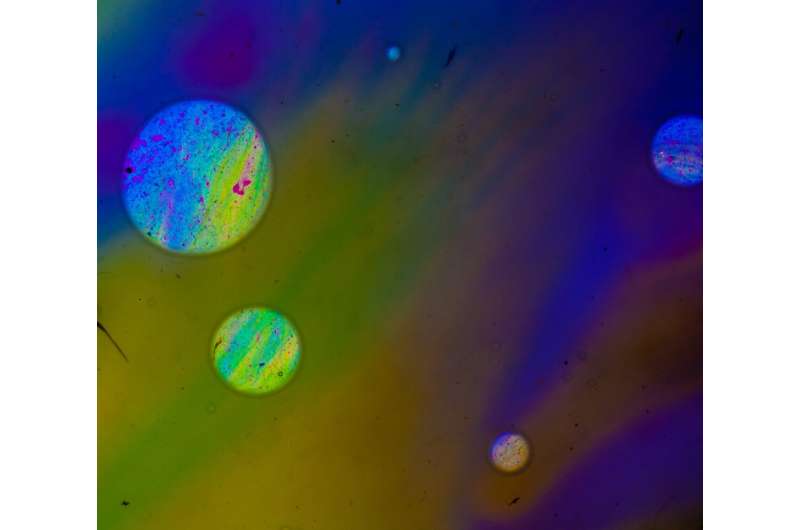
Synchronization of neural oscillations is achieved by astrocytes through information sharing among their glial network. Credit: Elizabeth Floresgomez Murray. All Rights Reserved.

A clearer understanding of how a type of brain cell, astrocytes function and can be emulated in the physics of hardware devices, may result in artificial intelligence (AI) and machine learning that autonomously self-repairs and consumes much less energy than the technologies currently do, according to a team of Penn State researchers.

Astrocytes are named for their star shape and are a type of glial cell, which are support cells for neurons in the brain. They play a crucial role in brain functions such as memory, learning, self-repair and synchronization.

“This project stemmed from recent observations in...

Read More