Category Physics

Ultra-Small Nanoprobes could be a leap forward in High-Resolution Human-Machine Interfaces

nano_probes
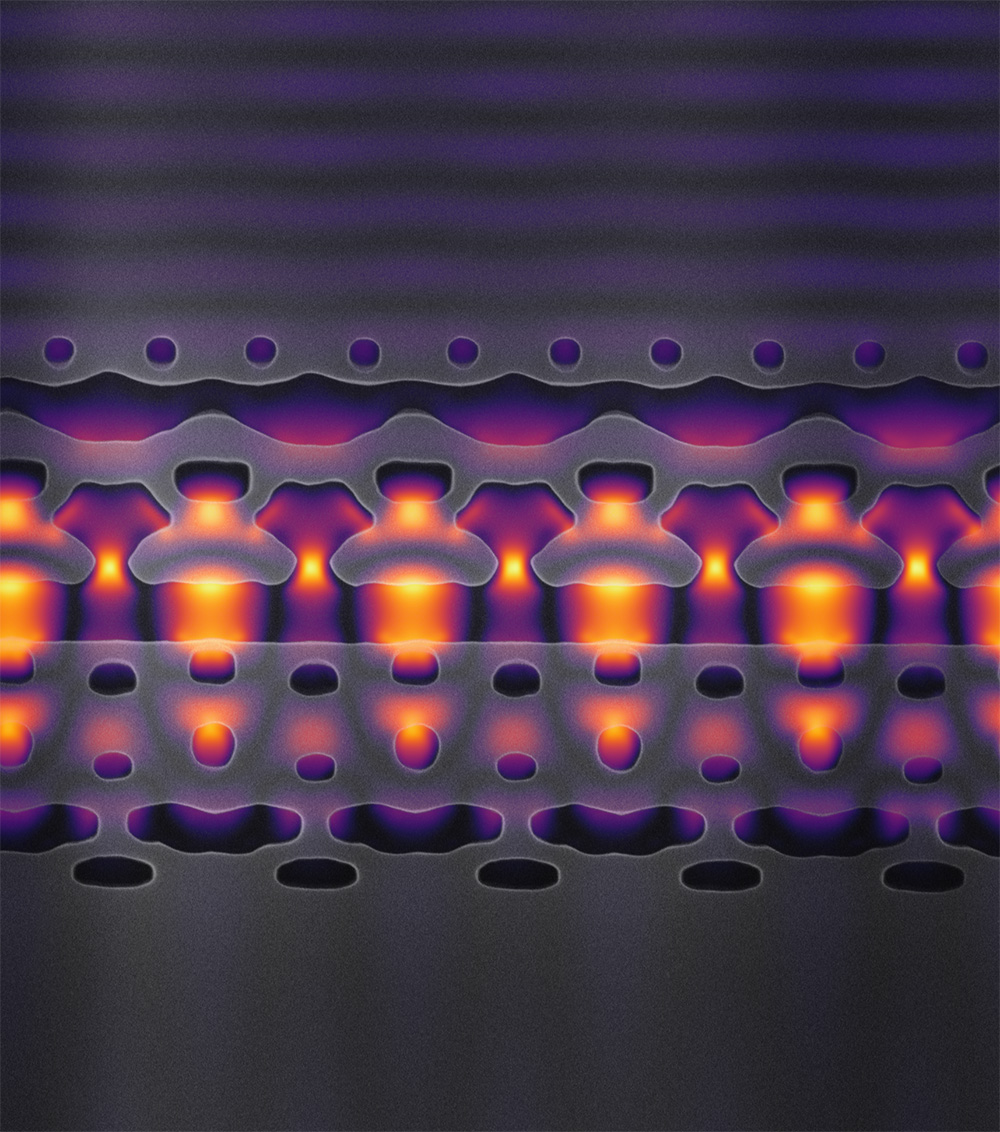
U-shaped nanowires can record electrical chatter inside a brain or heart cell without causing any damage. The devices are 100 times smaller than their biggest competitors, which kill a cell after recording. Credit: Lieber Group, Harvard University

Machine enhanced humans – or cyborgs as they are known in science fiction – could be one step closer to becoming a reality, thanks to new research Lieber Group at Harvard University, as well as scientists from University of Surrey and Yonsei University.

Researchers have conquered the monumental task of manufacturing scalable nanoprobe arrays small enough to record the inner workings of human cardiac cells and primary neurons.

The ability to read electrical activities from cells is the foundation of many biomedical procedures, such as ...

Read More

Tiny Motor can ‘Walk’ to Carry Out Tasks

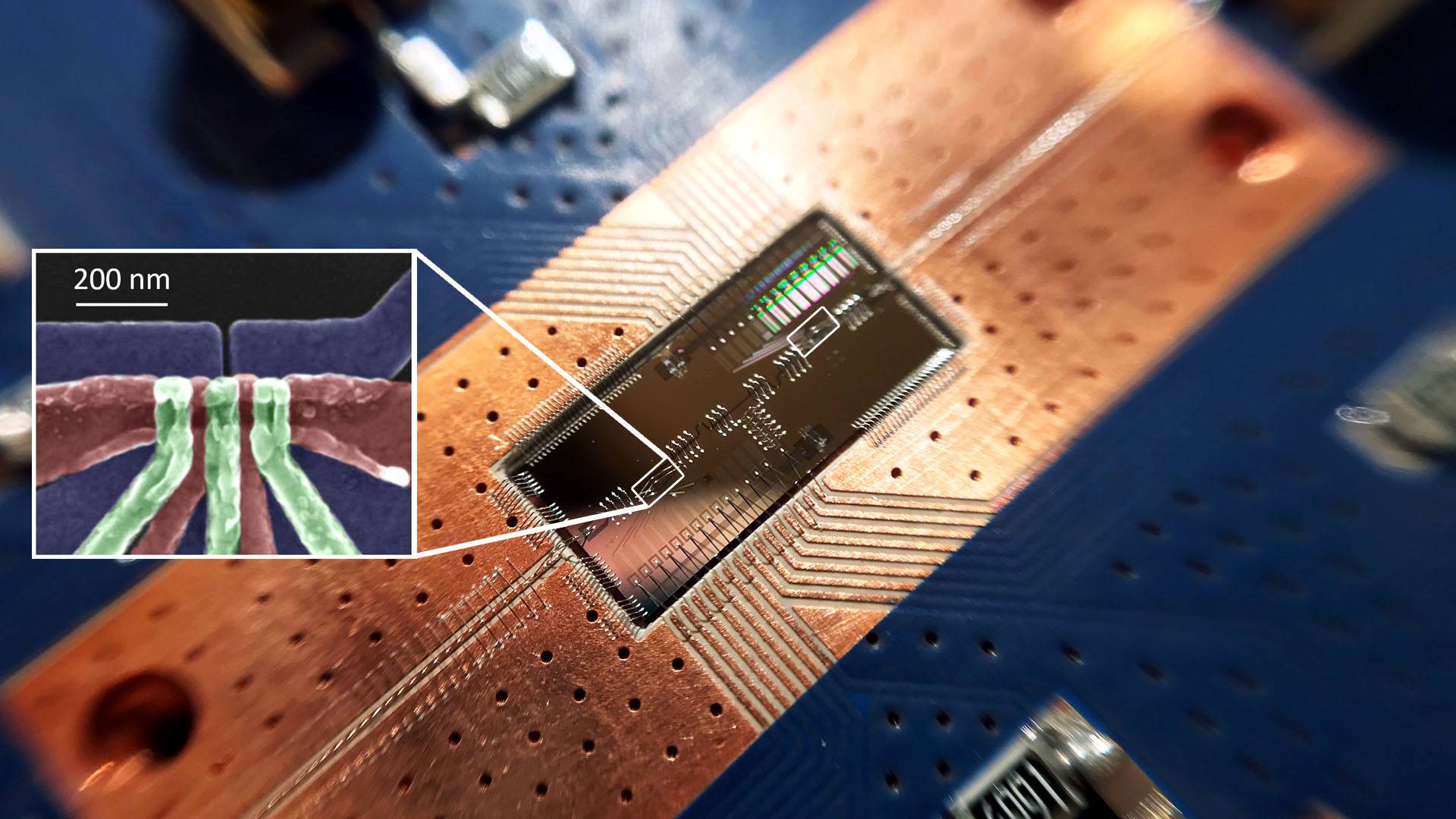
MIT graduate student Will Langford developed a machine that’s like a cross between a 3-D printer and the pick-and-place machines that manufacture electronic circuits, but that can produce complete robotic systems directly from digital designs. (Video in “Related” sidebar below shows the assembly of a machine from five standard parts.)
Photo by Will Langford

Mobile motor could pave the way for robots to assemble complex structures – including other robots. Researchers have assembled microrobots from a small set of standardized components, as a step toward self-replicating systems. Years ago, MIT Professor Neil Gershenfeld had an audacious thought...

Read More

Physicists use Light Waves to Accelerate Supercurrents, enable Ultrafast Quantum Computing

An illustration shows light-induced acceleration of supercurrents, enabling ultrafast quantum computing
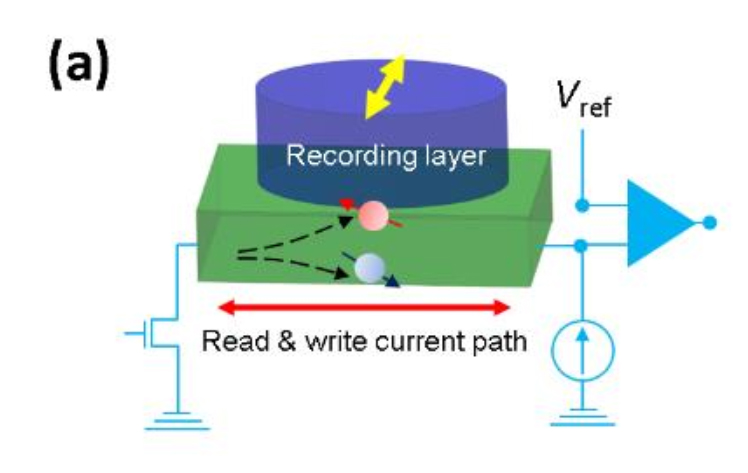
Jigang Wang and his collaborators have demonstrated light-induced acceleration of supercurrents, which could enable practical applications of quantum mechanics such as computing, sensing and communicating. Larger image. Image courtesy of Jigang Wang.

Scientists have discovered that terahertz light – light at trillions of cycles per second – can act as a control knob to accelerate supercurrents. That can help open up the quantum world of matter and energy at atomic and subatomic scales to practical applications such as ultrafast computing.

Jigang Wang patiently explained his latest discovery in quantum control that could lead to superfast computing based on quantum mechanics: He mentioned light-induced superconductivity without energy gap...

Read More

New Property of Light Discovered

Credit: CC0 Public Domain

A team of researchers affiliated with several institutions in Spain and the U.S. has announced that they have discovered a new property of light—self-torque. In their paper published in the journal Science, the group describes how they happened to spot the new property and possible uses for it.

Scientists have long known about such properties of light as wavelength. More recently, researchers have found that light can also be twisted, a property called angular momentum. Beams with highly structured angular momentum are said to have orbital angular momentum (OAM), and are called vortex beams. They appear as a helix surrounding a common center, and when they strike a flat surface, they appear as doughnut-shaped...

Read More