Category Technology/Electronics

3D-Printed Electronic Skin provides promise for Human-Machine Interaction

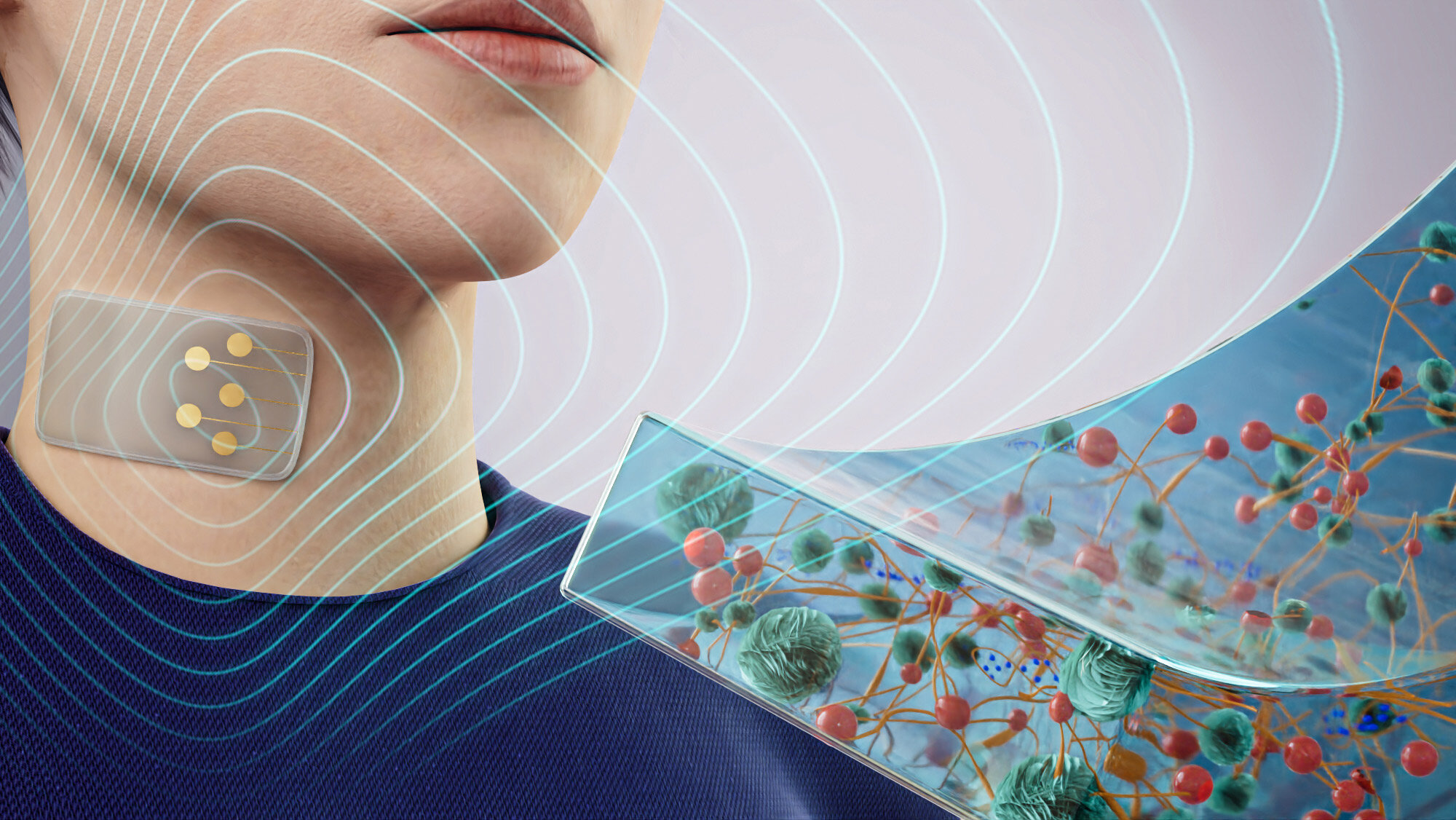
3D printed electronic skin provides promise for human-machine interaction
Credit: INMYWORK Studio

With more than 1,000 nerve endings, human skin is the brain’s largest sensory connection to the outside world, providing a wealth of feedback through touch, temperature and pressure. While these complex features make skin a vital organ, they also make it a challenge to replicate.

By utilizing nanoengineered hydrogels that exhibit tunable electronic and thermal biosensing capabilities, researchers at Texas A&M University have developed a 3D-printed electronic skin (E-skin) that can flex, stretch and sense like human skin.

“The ability to replicate the sense of touch and integrate it into various technologies opens up new possibilities for human-machine interaction and advanced sensory experiences,” said Dr...

Read More
Turning Glass into a ‘Transparent’ Light-Energy Harvester

Turning glass into a 'transparent' light-energy harvester

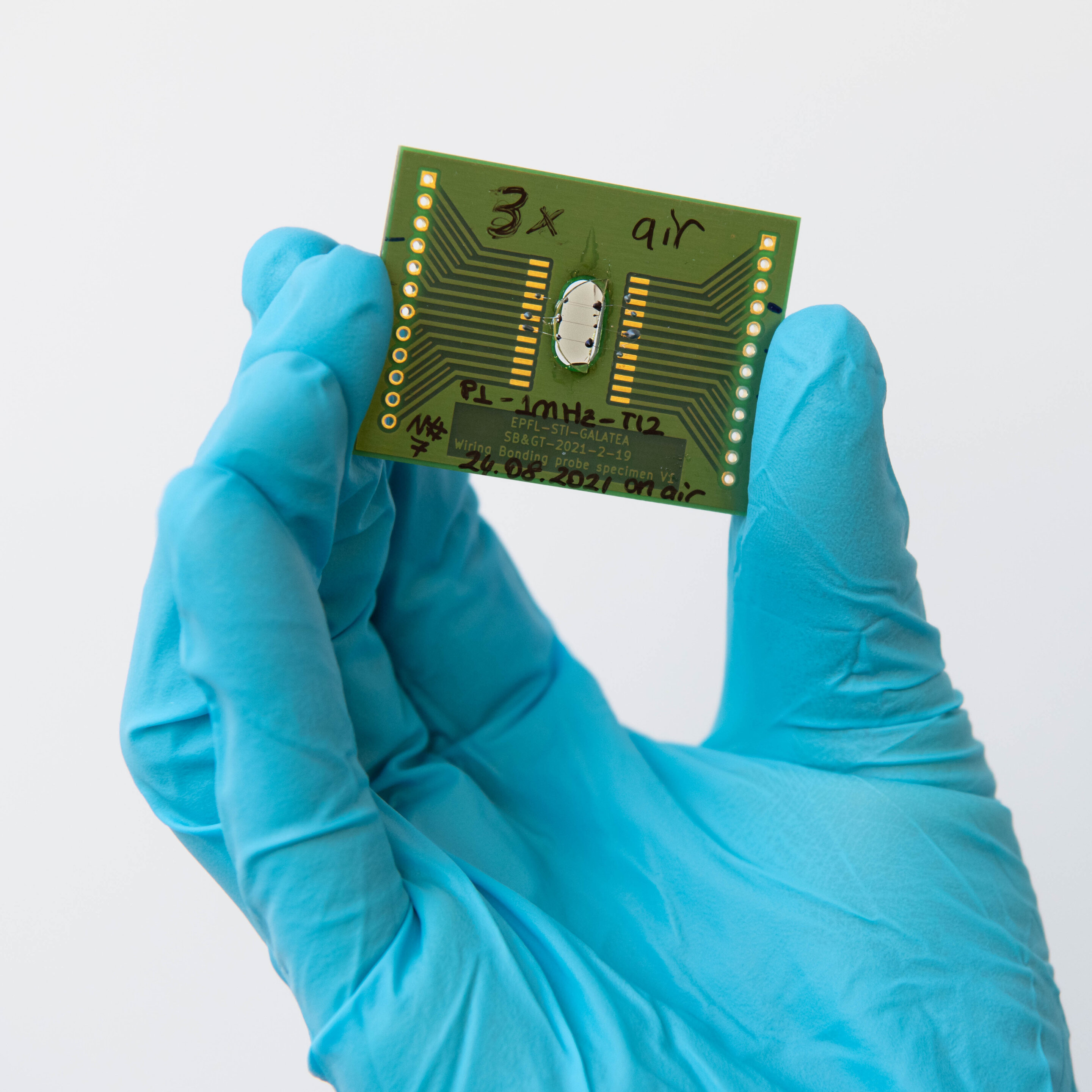
What happens when you expose tellurite glass to femtosecond laser light? That’s the question that Gözden Torun at the Galatea Lab at Ecole Polytechnique Federale de Lausanne, in collaboration with Tokyo Tech scientists, aimed to answer in her thesis work when she made the discovery that may one day turn windows into single material light-harvesting and sensing devices. The results are published in Physical Review Applied.

Interested in how the atoms in the tellurite glass would reorganize when exposed to fast pulses of high energy femtosecond laser light, the scientists stumbled upon the formation of nanoscale tellurium and tellurium oxide crystals, both semiconducting materials etched into the glass, precisely where the glass had been exposed...

Read More

Scientists Advance Affordable, Sustainable Solution for Flat-Panel Displays and Wearable Tech

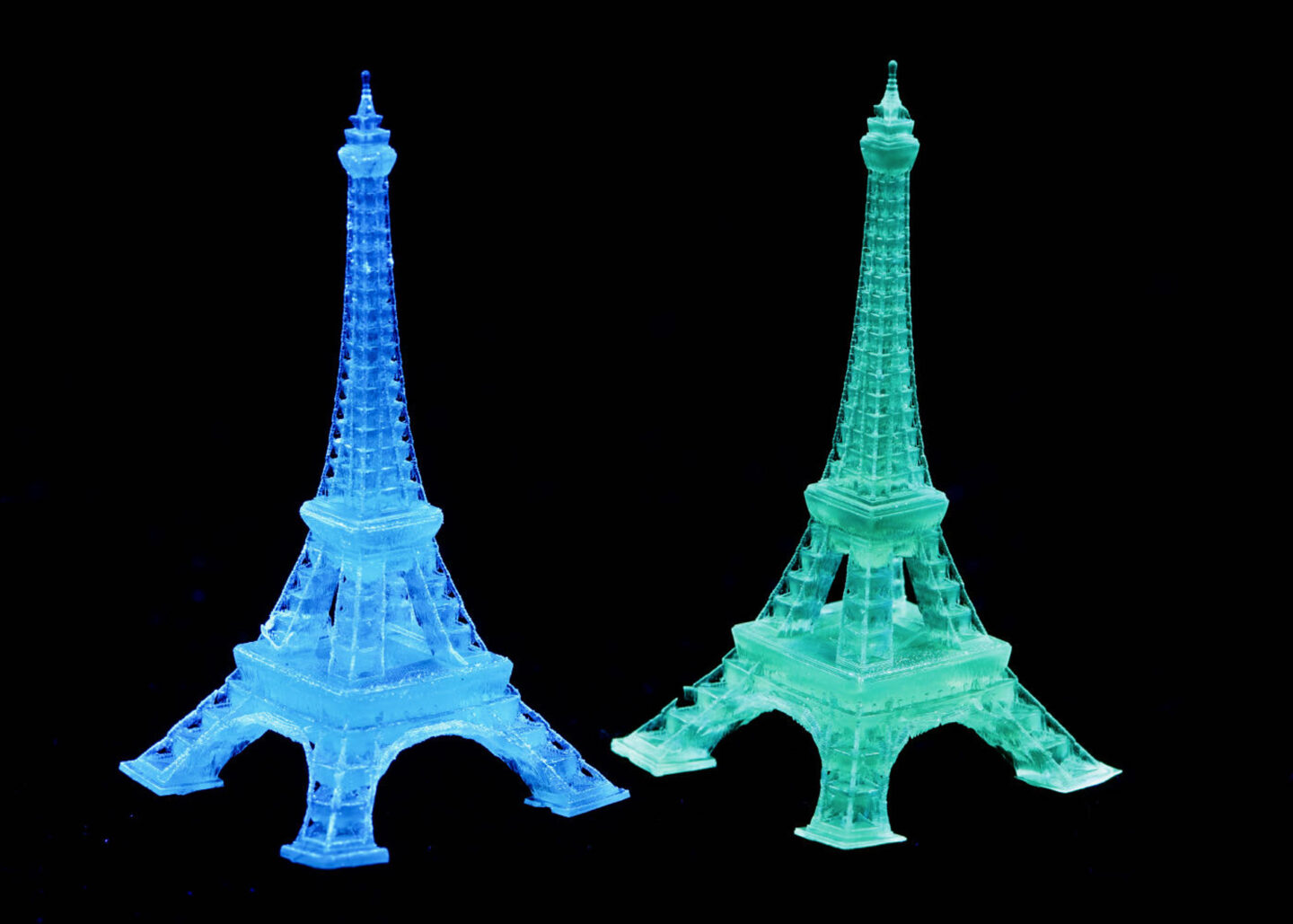
Blue and green Eiffel Tower-shaped luminescent structures 3D-printed from supramolecular ink.
Eiffel Tower-shaped luminescent structures 3D-printed from supramolecular ink. Each 2-centimeter-tall device is fabricated from supramolecular ink that emits blue or green light when exposed to 254-nanometer ultraviolet light. (Credit: Peidong Yang and Cheng Zhu/Berkeley Lab. Courtesy of Science)

A research team led by Lawrence Berkeley National Laboratory (Berkeley Lab) has developed “supramolecular ink,” a new technology for use in OLED (organic light-emitting diode) displays or other electronic devices. Made of inexpensive, Earth-abundant elements instead of costly scarce metals, supramolecular ink could enable more affordable and environmentally sustainable flat-panel screens and electronic devices.

“By replacing precious metals with Earth-abundant materials, our supramolecular...

Read More

Cobalt-free Batteries could Power Cars of the Future

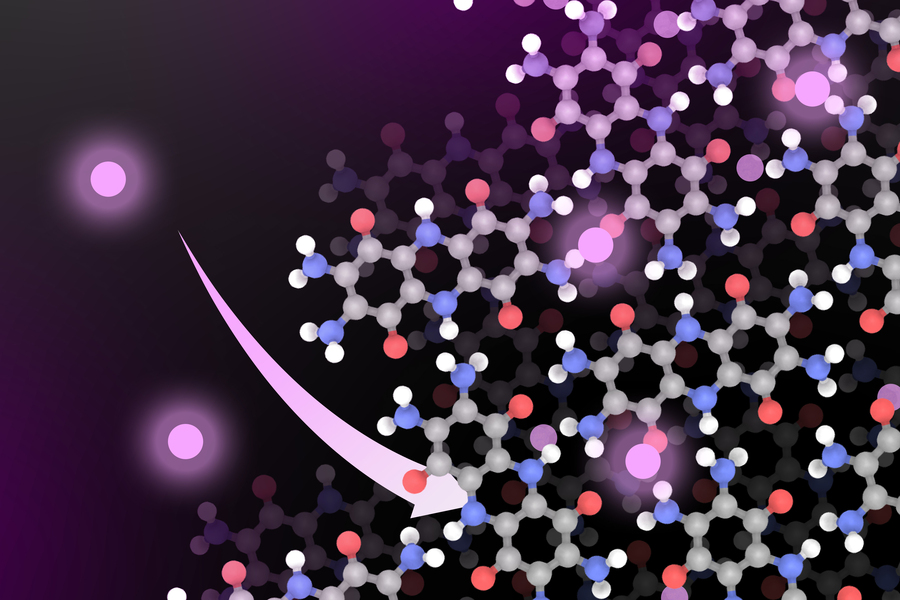
A molecular lattice is on the right, and glowing pink spheres on the left. An arrow leads pink spheres to the lattice.
A new MIT battery material could offer a more sustainable way to power electric cars. Instead of cobalt or nickel, the new lithium-ion battery includes a cathode based on organic materials. In this image, lithium molecules are shown in glowing pink.
Credits:Image: Courtesy of the researchers. Edited by MIT News.

Many electric vehicles are powered by batteries that contain cobalt—a metal that carries high financial, environmental, and social costs.

MIT researchers have now designed a battery material that could offer a more sustainable way to power electric cars. The new lithium-ion battery includes a cathode based on organic materials, instead of cobalt or nickel (another metal often used in lithium-ion batteries).

In a new study, the researchers showed that this material, which...

Read More