Category Technology/Electronics

Researchers Trick Large Language Models into providing Prohibited Responses

chatgpt
Credit: Pixabay/CC0 Public Domain

ChatGPT and Bard may well be key players in the digital revolution currently underway in computing, coding, medicine, education, industry and finance, but they also are capable of easily being tricked into providing subversive data.

Articles in recent months detail some of the leading problems. Disinformation, inappropriate and offensive content, privacy breaches and psychological harm to vulnerable users all raise issues of questions about if and how such content can be controlled.

OpenAI and Google have, for instance, designed protective barriers to stanch some of the more egregious incidents of bias and offensive content. But it is clear that a complete victory is not yet in sight.

Researchers at Carnegie Mellon University in Pittsburgh are...

Read More

Current takes a Surprising Path in Quantum Material

Direct visualization of electronic transport in a quantum anomalous Hall  insulator | Nature Materials
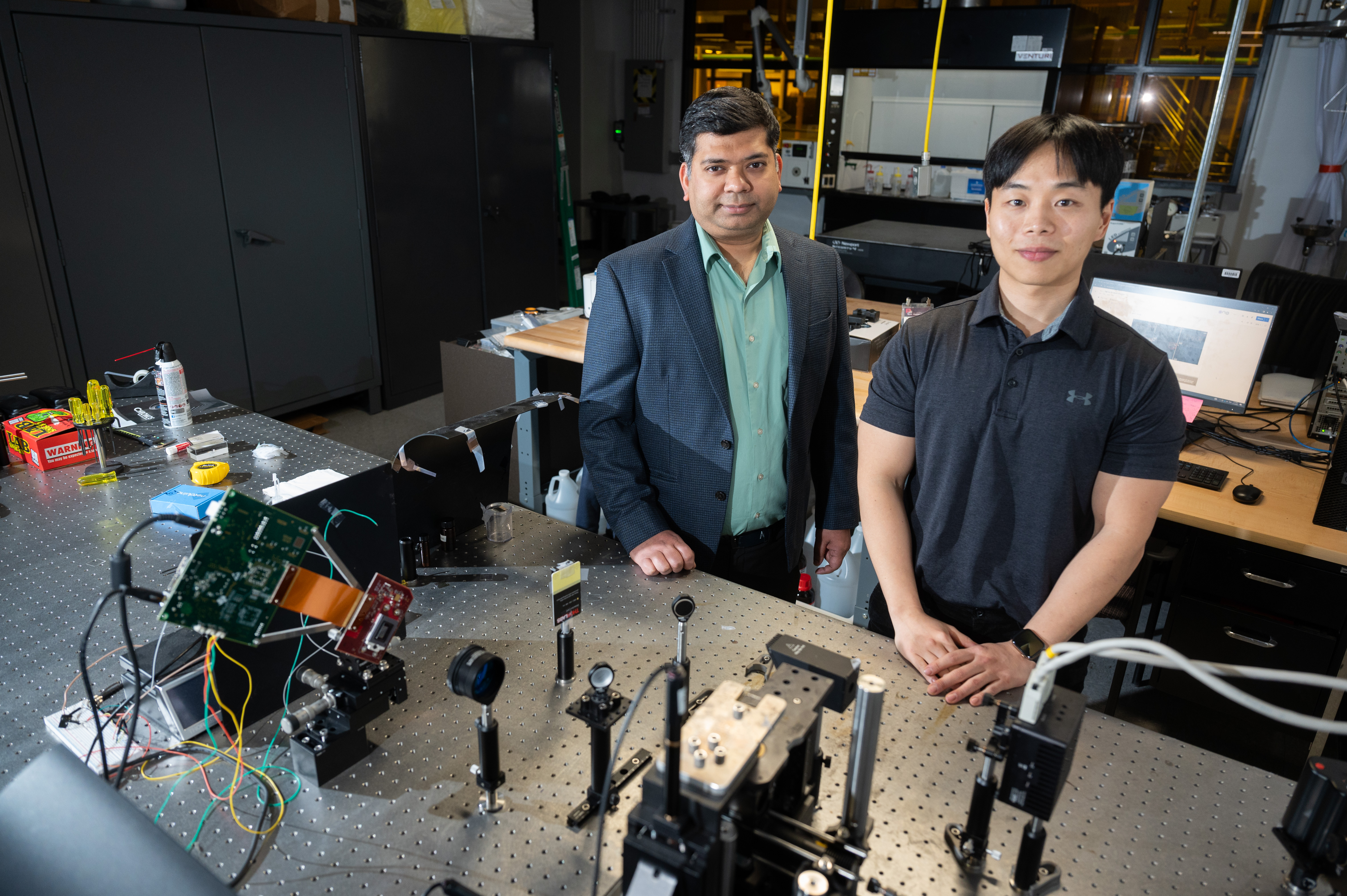
Magnetic imaging of a QAH effect sample.

Cornell has used magnetic imaging to obtain the first direct visualization of how electrons flow in a special type of insulator, and by doing so they discovered that the transport current moves through the interior of the material, rather than at the edges, as scientists had long assumed.

The finding provides new insights into the electron behavior in so-called quantum anomalous Hall insulators and should help settle a decades-long debate about how current flows in more general quantum Hall insulators. These insights will inform the development of topological materials for next-generation quantum devices.

The team’s paper, “Direct Visualization of Electronic Transport in a Quantum Anomalous Hall Insulator,” published Aug...

Read More

Scientists Create Novel Approach to Control Energy Waves in 4D

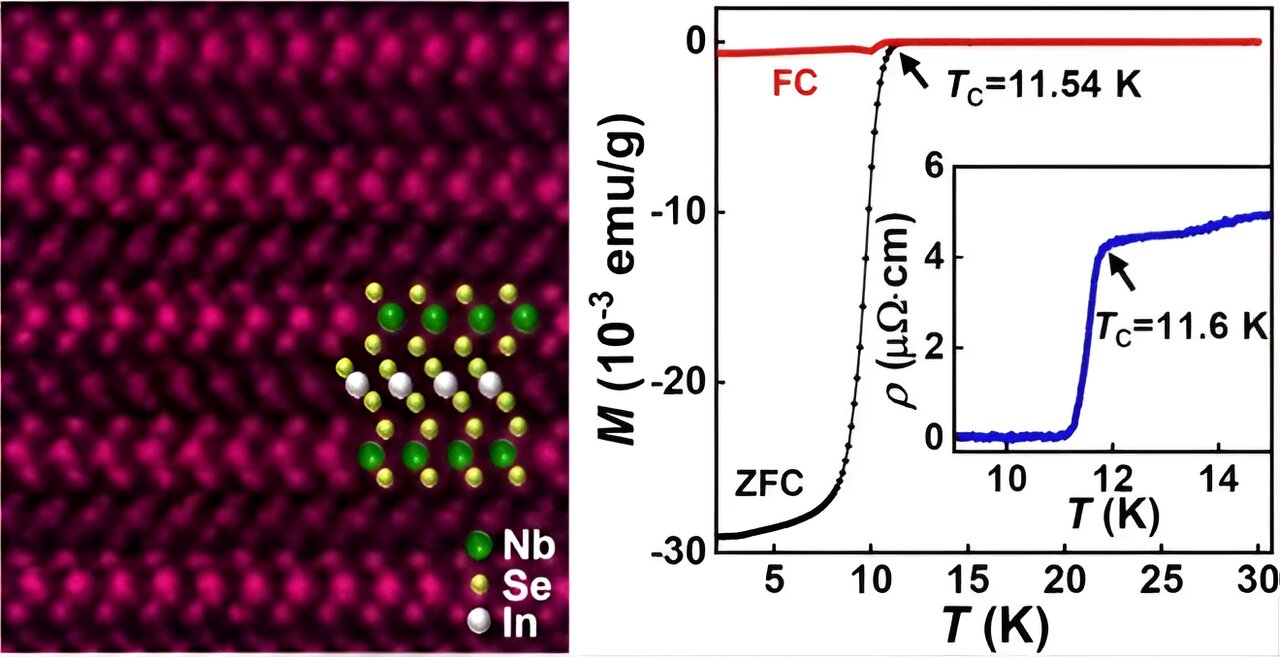
picture of a metamaterial
A rendering of the new synthetic metamaterial with 4D capabilities designed by scientists at the University of Missouri. It includes the ability to control energy waves on the surface of a solid material.

Everyday life involves the three dimensions or 3D — along an X, Y and Z axis, or up and down, left and right, and forward and back. But, in recent years scientists like Guoliang Huang, the Huber and Helen Croft Chair in Engineering at the University of Missouri, have explored a “fourth dimension” (4D), or synthetic dimension, as an extension of our current physical reality.

Now, Huang and a team of scientists in the Structured Materials and Dynamics Lab at the MU College of Engineering have successfully created a new synthetic metamaterial with 4D capabilities, including the abilit...

Read More

Engineers create an Energy-Storing Supercapacitor from Ancient Materials

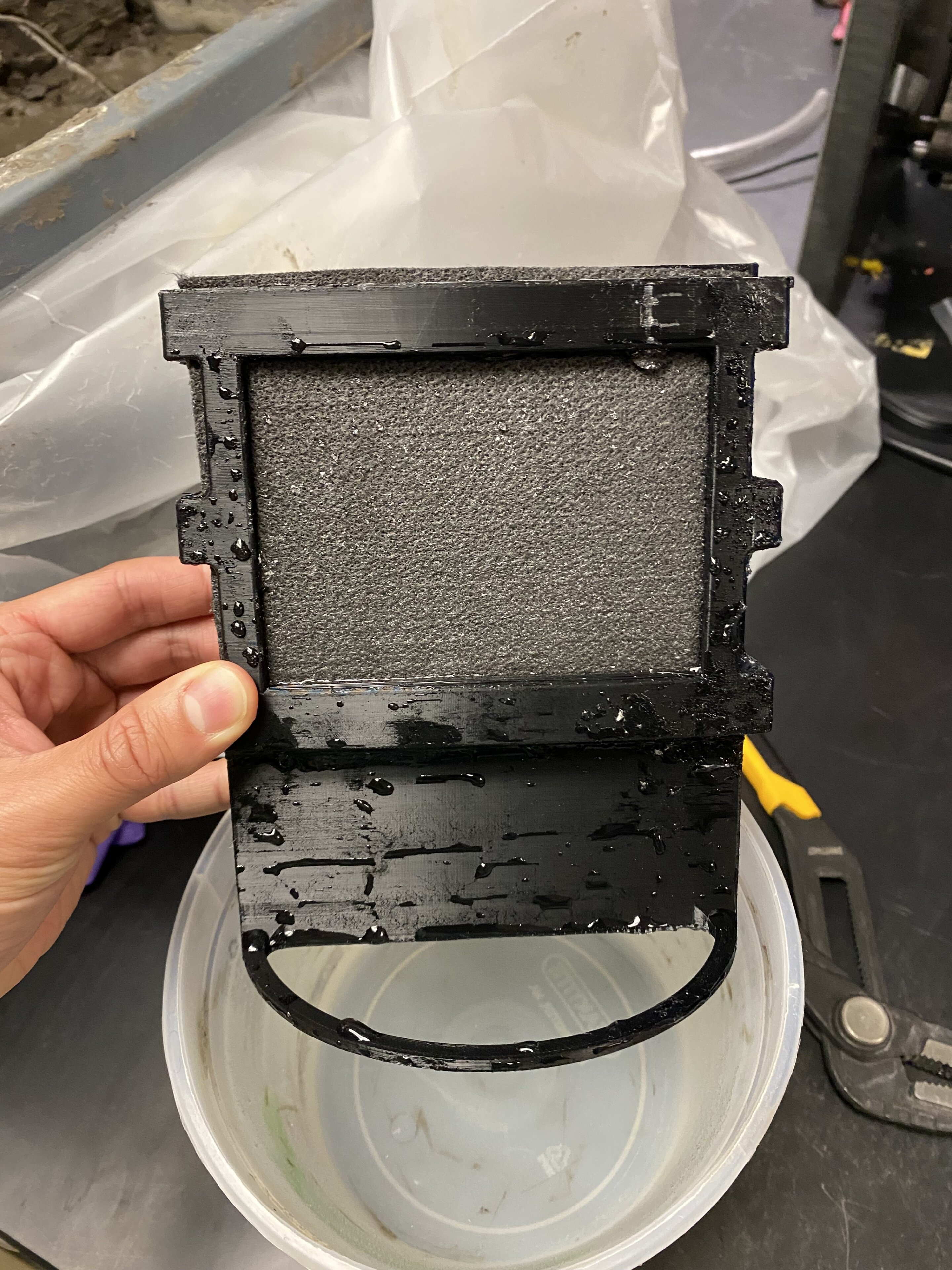
A streak of blue lightning, representing energy, spreads horizontally across a textured cement surface.
MIT engineers have created a “supercapacitor” made of ancient, abundant materials, that can store large amounts of energy. Made of just cement, water, and carbon black (which resembles powdered charcoal), the device could form the basis for inexpensive systems that store intermittently renewable energy, such as solar or wind energy.
Credits:Courtesy of the researchers

Made of just cement, water, and carbon black (which resembles powdered charcoal), the device could form the basis for inexpensive systems that store intermittently renewable energy, such as solar or wind energy.

Two of humanity’s most ubiquitous historical materials, cement and carbon black (which resembles very fine charcoal), may form the basis for a novel, low-cost energy storage system, according to a new study...

Read More