
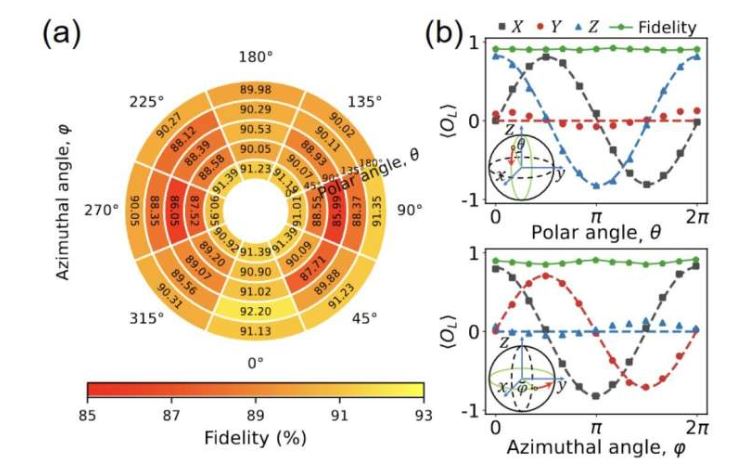
Quantum computers have the potential to outperform conventional computers on some tasks, including complex optimization...
Read More

December 29, 2023,
 Physics, Technology/Electronics
Quantum computers have the potential to outperform conventional computers on some tasks, including complex optimization...
Read More
December 26, 2023,
Physics, Technology/Electronics, Biology/Biotechnology, Environment/Geology
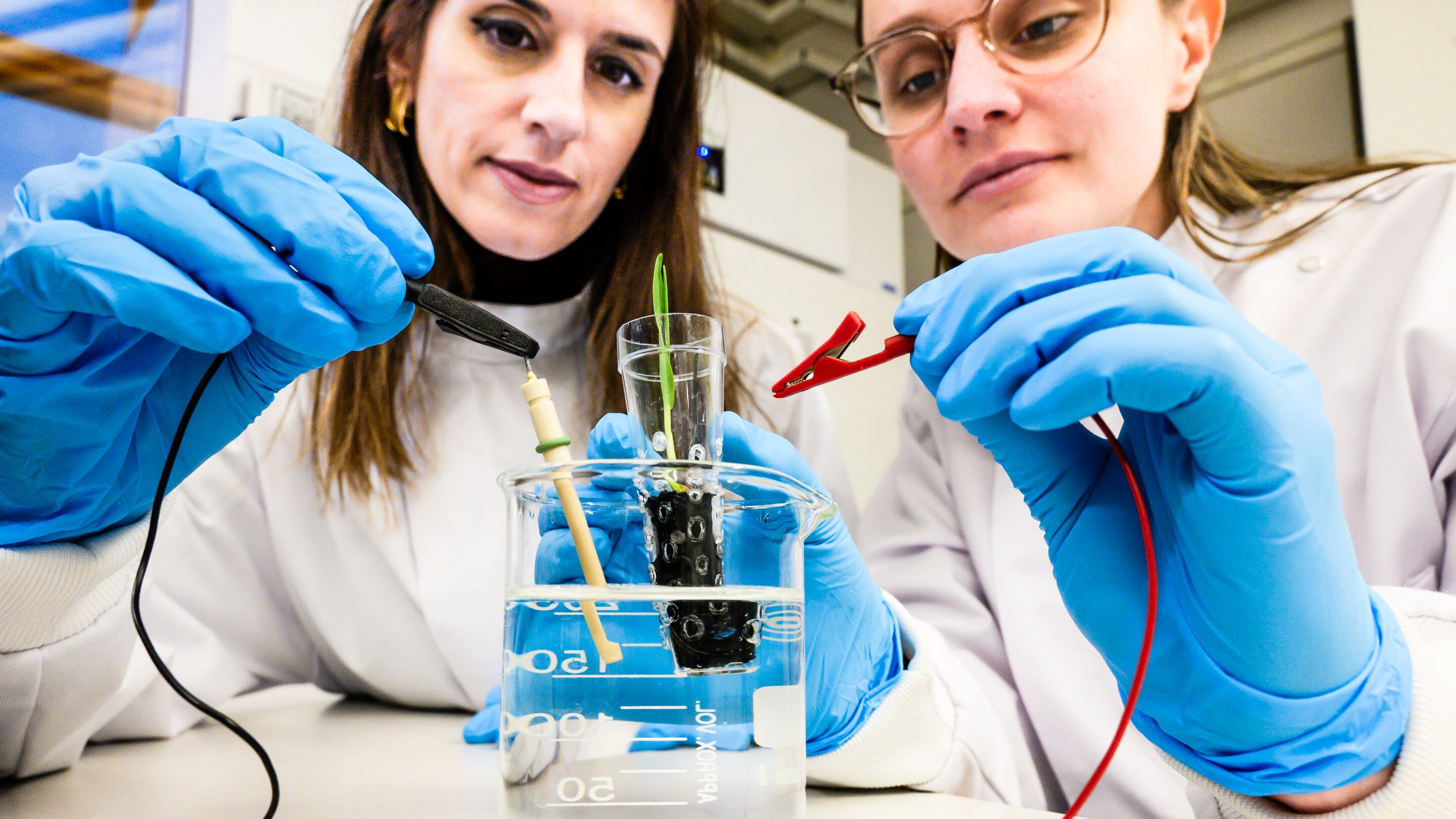
Barley seedlings grow on average 50% more when their root system is stimulated electrically through a new cultivation substrate. In a study published in the journal PNAS, researchers from Linköping University have developed an electrically conductive “soil” for soilless cultivation, known as hydroponics.
“The world population is increasing, and we also have climate change. So it’s clear that we won’t be able to cover the food demands of the planet with only the already existing agricultural methods...
Read More
December 21, 2023,
Physics, Technology/Electronics
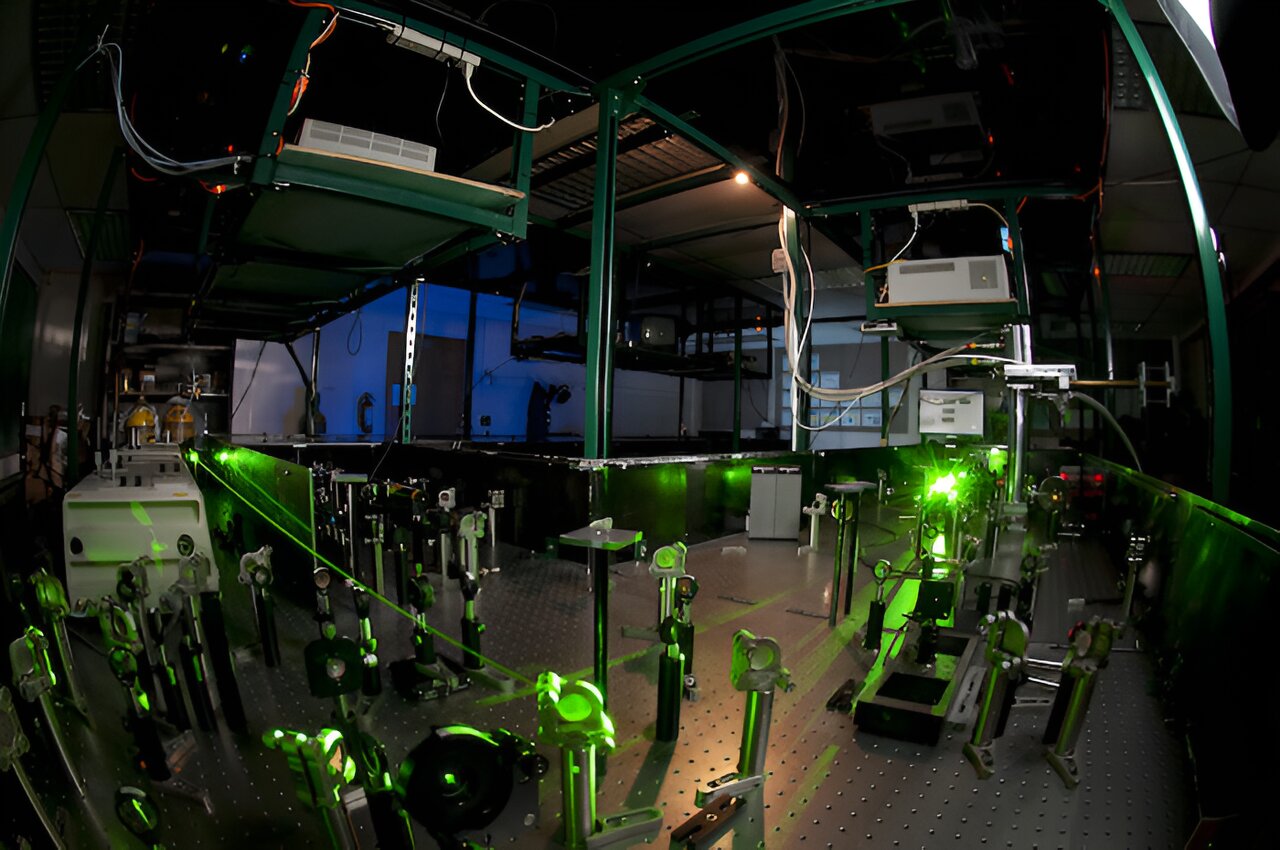
Research appearing in ACS Nano reveals the ballistic movement of electrons in graphene in real-time.
The observations made at the University of Kansas’ Ultrafast Laser Lab could lead to breakthroughs in governing electrons in semiconductors, fundamental components in most information and energy technology.
“Generally, electron movement is interrupted by collisions with other particles in solids,” said lead author Ryan Scott, a doctoral student in KU’s Department of Physics & Astronomy.
“This is similar to someone running in a ballroom full of dancers. These collisions are rather frequent—about 10 to 100 billion times per second. They slow down the electrons, cause energy loss, and generate unwanted heat...
Read More
December 11, 2023,
Physics, Technology/Electronics
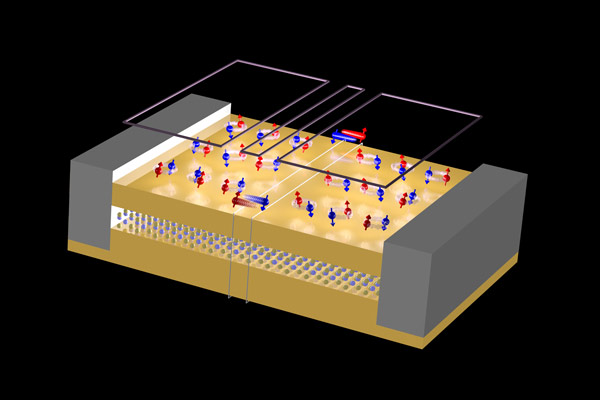
Physicists at RIKEN have developed an electronic device that hosts unusual states of matter, which could one day be useful for quantum computation.
When a material exists as an ultrathin layer—a mere one or a few atoms thick—it has totally different properties from thicker samples of the same material. That’s because confining electrons to a 2D plane gives rise to exotic states...
Read More
Recent Comments