Category Technology/Electronics

Physicists take big step in race to Quantum Computing

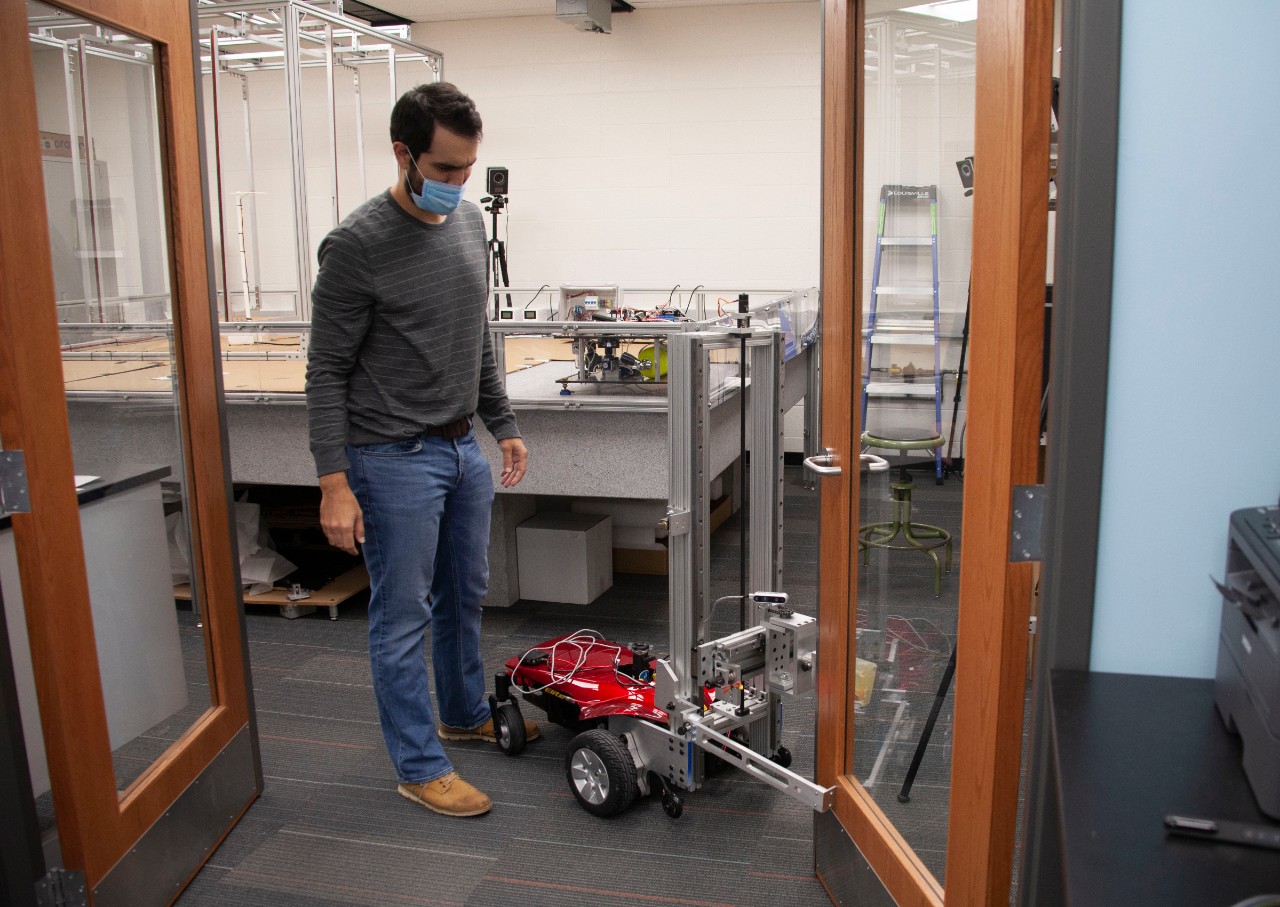
Dolev Bluvstein, Mikhail Lukin and Sepehr Ebadi.
Dolev Bluvstein (from left), Mikhail Lukin, and Sepehr Ebadi developed a special type of quantum computer known as a programmable quantum simulator. Ebadi is aligning the device that allows them to create the programmable optical tweezers.
Photos by Rose Lincoln/Harvard Staff Photographer

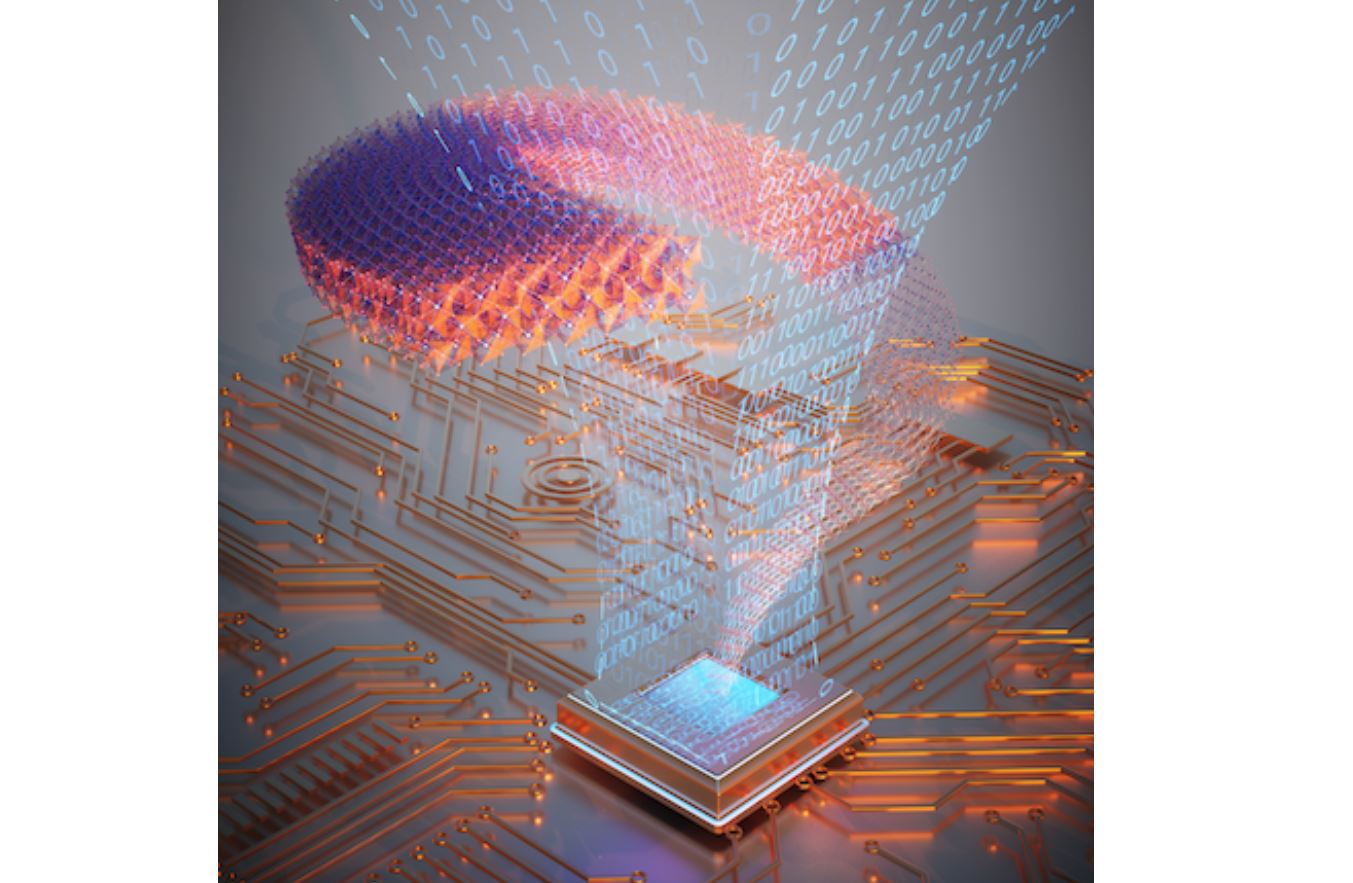
Team develops simulator with 256 qubits, largest of its kind ever created. A team of physicists from the Harvard-MIT Center for Ultracold Atoms and other universities has developed a special type of quantum computer known as a programmable quantum simulator capable of operating with 256 quantum bits, or “qubits.”

The system marks a major step toward building large-scale quantum machines that could be used to shed light on a host of complex quantum processes and eventually help bring about real-world...

Read More

New Electronic Paper displays Brilliant Colors

New electronic paper displays brilliant colours

Imagine sitting out in the sun, reading a digital screen as thin as paper, but seeing the same image quality as if you were indoors. Thanks to research from Chalmers University of Technology, Sweden, it could soon be a reality. A new type of reflective screen — sometimes described as ‘electronic paper’ — offers optimal colour display, while using ambient light to keep energy consumption to a minimum.

Traditional digital screens use a backlight to illuminate the text or images displayed upon them. This is fine indoors, but we’ve all experienced the difficulties of viewing such screens in bright sunshine. Reflective screens, however, attempt to use the ambient light, mimicking the way our eyes respond to natural paper.

“For reflective screens to compete with the energy-intensive d...

Read More

New 3D Printable Phase-changing Composites can Regulate Temperatures Inside Buildings

New 3D printable phase-changing composites can regulate temperatures inside buildings
New phase-change material composites can regulate ambient temperatures inside buildings. Credit: Texas A&M University College of Engineering

Changing climate patterns have left millions of people vulnerable to weather extremes. As temperature fluctuations become more commonplace around the world, conventional power-guzzling cooling and heating systems need a more innovative, energy-efficient alternative, and in turn, lessen the burden on already struggling power grids.

In a new study, researchers at Texas A&M University have created novel 3D printable phase-change material (PCM) composites that can regulate ambient temperatures inside buildings using a simpler and cost-effective manufacturing process...

Read More

Graphene for the Protection of Paintings: paving the way for Novel Methods in Art Preservation and Restoration

The exposure of colors used in artworks to ultraviolet (UV) and visible light in the presence of oxidizing agents triggers color degradation, fading and yellowing. These degradation mechanisms can lead to irreversible alteration of artworks. Protective varnishes and coatings currently used to protect art paintings are not acceptable solutions, since their removal requires the use of solvents, which can affect adversely the underlying work surface.

A team of researchers from the Institute of Chemical Engineering Sciences of the Foundation for Research and Technology-Hellas (FORTH/ ICE-HT), the Department of Chemical Engineering of the University of Patras, and the Center for Colloid and Surface Science (CSGI) of the University of Florence, led by Professor Costas Galiotis, had the i...

Read More