Category Technology/Electronics

Scientists Build Mass-Producible Miniature Quantum Memory Element

Researchers at the University of Basel have built a quantum memory element based on atoms in a tiny glass cell. In the future, such quantum memories could be mass-produced on a wafer.

It is hard to imagine our lives without networks such as the internet or mobile phone networks. In the future, similar networks are planned for quantum technologies that will enable the tap-proof transmission of messages using quantum cryptography and make it possible to connect quantum computers to each other.

Like their conventional counterparts, such quantum networks require memory elements in which information can be temporarily stored and routed as needed...

Read More

New Fuel Cell Harvests Energy from Microbes in Soil to Power Sensors, Communications

New fuel cell harvests energy from microbes in soil to power sensors, communications
The clean fuel cell in the lab. Credit: Bill Yen/Northwestern University

A Northwestern University-led team of researchers has developed a new fuel cell that harvests energy from microbes living in dirt.

About the size of a standard paperback book, the completely soil-powered technology could fuel underground sensors used in precision agriculture and green infrastructure. This potentially could offer a sustainable, renewable alternative to batteries, which hold toxic, flammable chemicals that leach into the ground, are fraught with conflict-filled supply chains and contribute to the ever-growing problem of electronic waste.

To test the new fuel cell, the researchers used it to power sensors measuring soil moisture and detecting touch, a capability that could be valuable for track...

Read More

Multiple AI Models Help Robots Execute Complex Plans more Transparently

Multiple AI models help robots execute complex plans more transparently
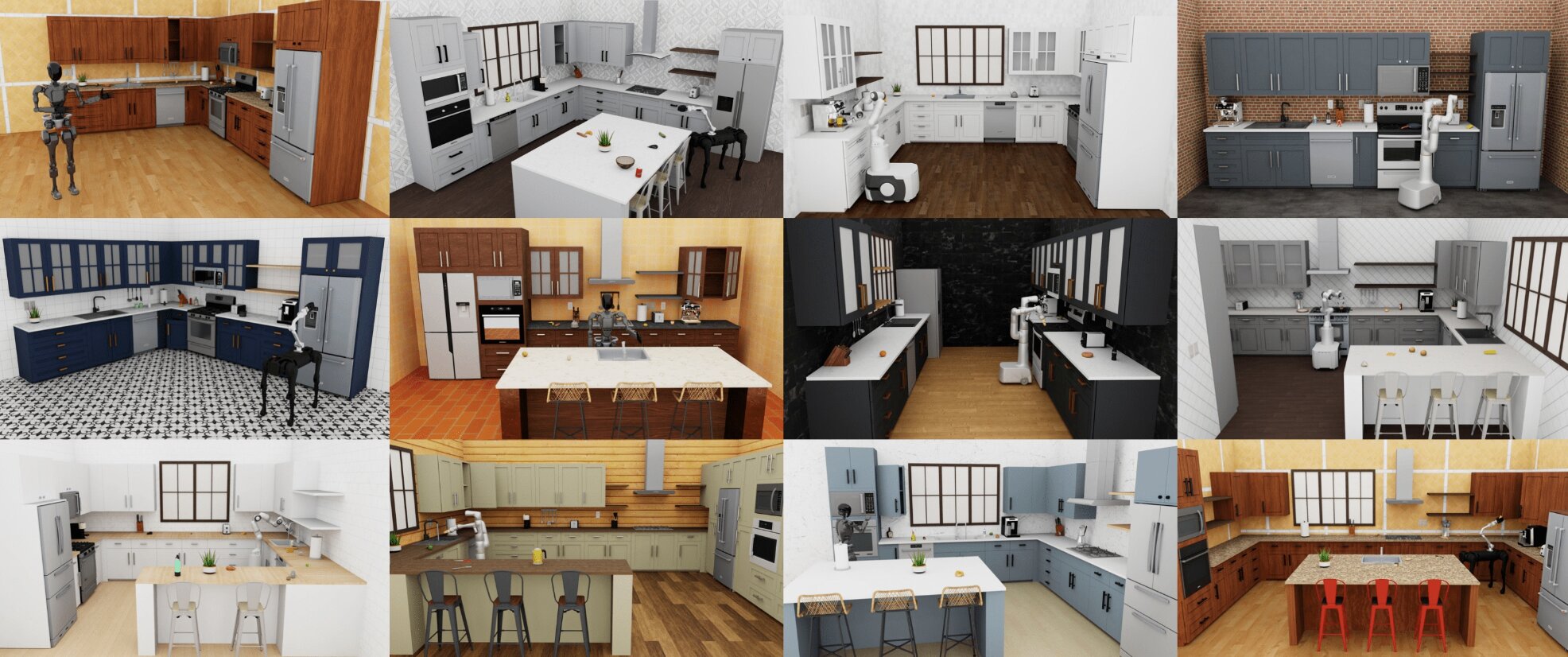
The HiP framework developed at MIT CSAIL develops detailed plans for robots using the expertise of three different foundation models, helping it execute tasks in households, factories, and construction that require multiple steps. Credit: Alex Shipps/MIT CSAIL

Your daily to-do list is likely pretty straightforward: wash the dishes, buy groceries, and other minutiae. It’s unlikely you wrote out “pick up the first dirty dish,” or “wash that plate with a sponge,” because each of these miniature steps within the chore feels intuitive. While we can routinely complete each step without much thought, a robot requires a complex plan that involves more detailed outlines.

MIT’s Improbable AI Lab, a group within the Computer Science and Artificial Intelligence Laboratory (CSAIL), has offered t...

Read More

A Butterfly-Inspired Design to Create Crumple-Recoverable Electronics

A butterfly-inspired design to create crumple-recoverable electronics
Credit: Roh et al, Nature Electronics (2023). DOI: 10.1038/s41928-023-01089-6

Over the past decades, electronics engineers have created devices of various shapes and with increasingly sophisticated designs. This includes electronics that can be folded onto themselves, such as foldable phones, along with various other compressible devices.

Researchers at Ajou University and other institutes in South Korea recently introduced a new design for developing crumple-recoverable electronics, or in other words, electronics that can recover their original shape after being crumpled or compressed onto themselves to reduce their size...

Read More