



Category Uncategorized
NASA Maps Inner Milky Way, sees Cosmic ‘Candy Cane’
December 20, 2019,
 Uncategorized
A new Gene Therapy Strategy, courtesy of Nature
December 19, 2019,
Uncategorized

Scientists have developed a new gene-therapy technique by transforming human cells into mass producers of tiny nano-sized particles full of genetic material that has the potential to reverse disease processes.
Though the research was intended as a proof of concept, the experimental therapy slowed tumor growth and prolonged survival in mice with gliomas, which constitute about 80 percent of malignant brain tumors in humans.
The technique takes advantage of exosomes, fluid-filled sacs that cells release as a way to communicate with other cells.
While exosomes are gaining ground as biologically friendly carriers of therapeutic materials – because there are a lot of them and they don’t prompt an immune response – the trick with gene therapy is f...
Read MoreRobots made from Self-Folding Kirigami Materials
December 19, 2019,
Uncategorized
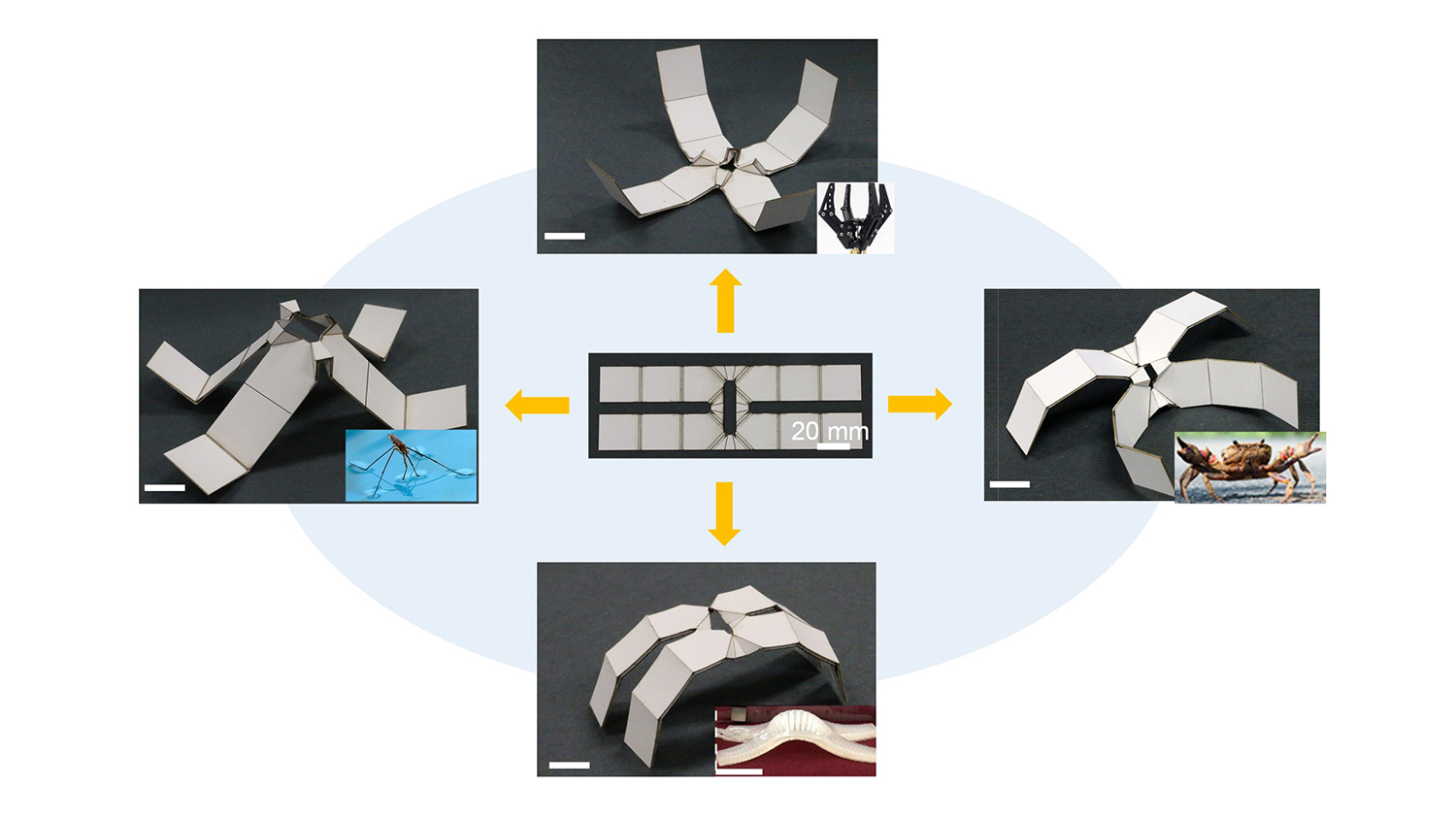
Researchers have demonstrated how kirigami-inspired techniques allow them to design thin sheets of material that automatically reconfigure into new two-dimensional (2D) shapes and three-dimensional (3D) structures in response to environmental stimuli. The researchers created a variety of robotic devices as a proof of concept for the approach.
“This is the first case that we know of in which 2D kirigami patterns autonomously reshape themselves into distinct 3D structures without mechanical input,” says Jie Yin, an assistant professor of mechanical and aerospace engineering at North Carolina State University and correspondi...
Read MoreExoplanets can be made Less Habitable by Stars’ Flares
December 19, 2019,
Uncategorized
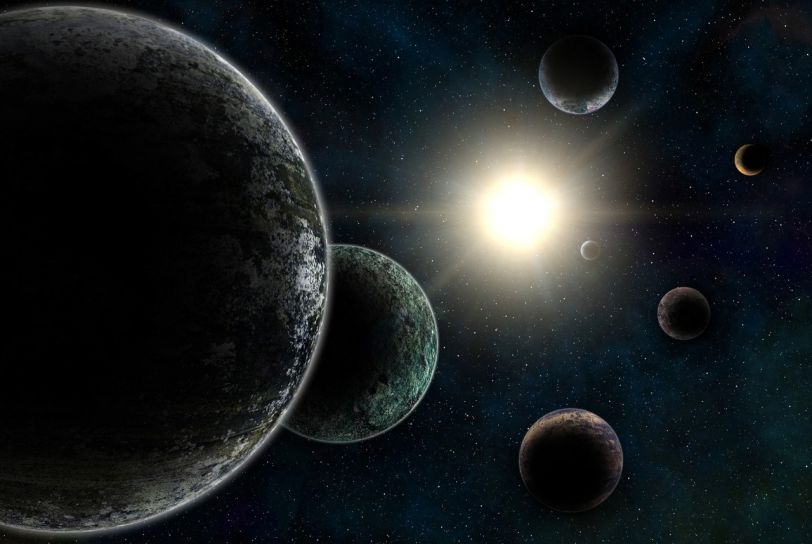
Astronomers found that not all exoplanets in habitable zones will be able to maintain hospitable conditions for life. Exoplanets in close proximity to stars are subject to radiation bursts which can disrupt habitable conditions unless the exoplanet has significant atmospheric or magnetic shielding.
The discovery of terrestrial exoplanets, planets that orbit stars outside the solar system, has been one of the most significant developments in modern astronomy...
Read More
Recent Comments