Research Breakthrough in the Fight Against Cancer

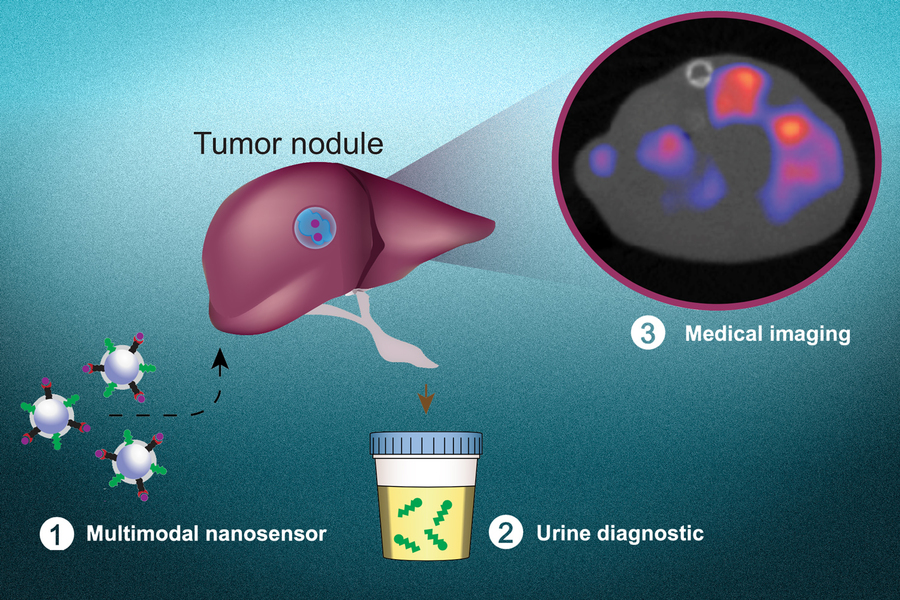
The advantage of PACs over other therapies.
The advantage of PACs over other therapies. Courtesy: S. Thai Thayumanavan

Latest advance in targeted delivery of therapeutic proteins. A team of researchers at the Center for Bioactive Delivery at the University of Massachusetts Amherst’s Institute for Applied Life Sciences has engineered a nanoparticle that has the potential to revolutionize disease treatment, including for cancer. This new research, which appears today in Angewandte Chemie, combines two different approaches to more precisely and effectively deliver treatment to the specific cells affected by cancer.

Two of the most promising new treatments involve delivery of cancer-fighting drugs via biologics or antibody-drug conjugates (ADCs). Each has its own advantages and limitations...

Read More

Physicists describe New Type of code Aurora

New aurora
Diffuse auroral erasers

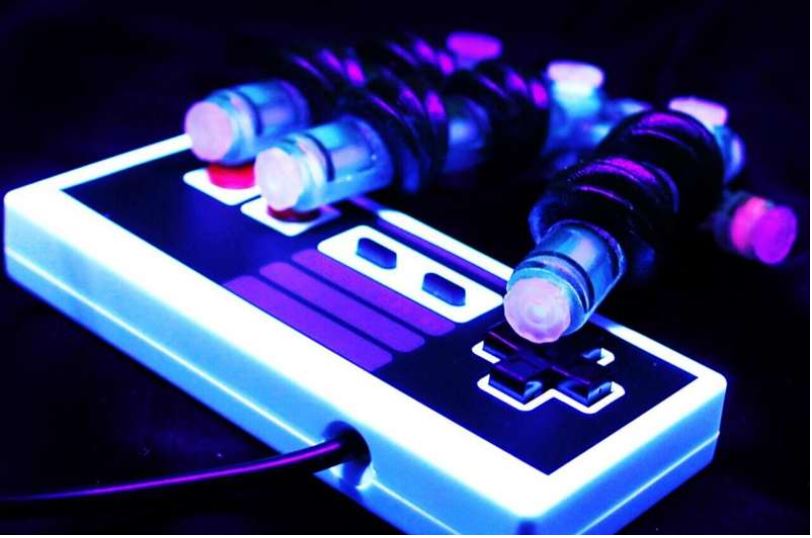
Discovery comes from reanalysis of two-decade-old video. The famed northern and southern lights have been studied for millennia, but they still hold secrets. Physicists describe a new phenomenon they call ‘diffuse auroral erasers,’ in which patches of the background glow are blotted out, then suddenly intensify and reappear.

For millennia, humans in the high latitudes have been enthralled by auroras — the northern and southern lights. Yet even after all that time, it appears the ethereal, dancing ribbons of light above Earth still hold some secrets.

In a new study, physicists led by the University of Iowa report a new feature to Earth’s atmospheric light show...

Read More

Alzheimer’s Study: A Mediterranean Diet might protect against Memory Loss and Dementia

Source: Sonyakamoz, adobe stock

Alzheimer’s disease is caused by protein deposits in the brain and the rapid loss of brain matter. But a Mediterranean diet rich in fish, vegetables and olive oil might protect the brain from these disease triggers. In Alzheimer’s disease, neurons in the brain die. Largely responsible for the death of neurons are certain protein deposits in the brains of affected individuals: So-called beta-amyloid proteins, which form clumps (plaques) between neurons, and tau proteins, which stick together the inside of neurons. The causes of these deposits are as yet unclear. In addition, a rapidly progressive atrophy, i.e. a shrinking of the brain volume, can be observed in affected persons...

Read More

Physicists find a novel way to Switch Antiferromagnetism On and Off

antiferromagnetism device
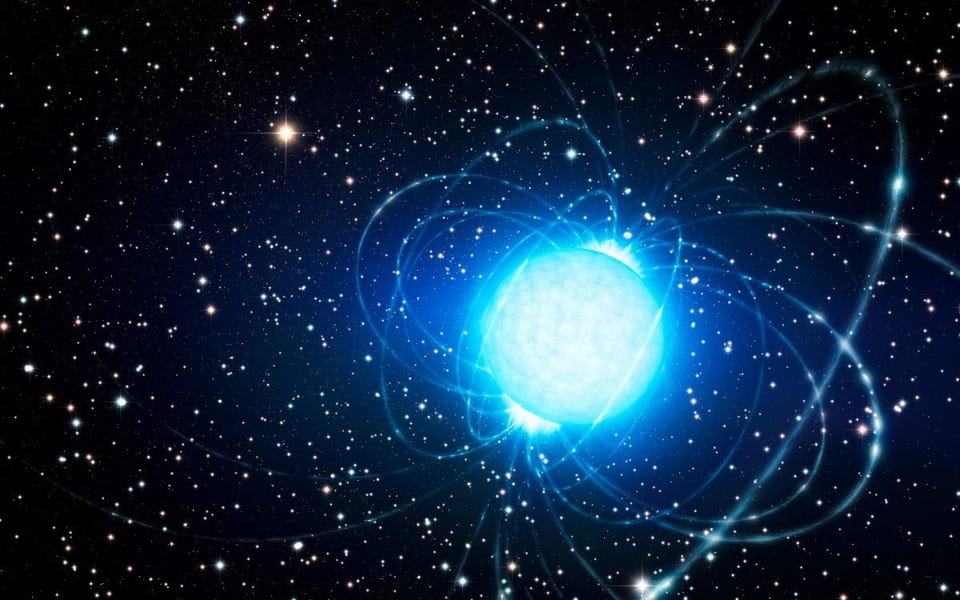
In turning antiferromagnetism on and off, MIT physicists may have found a route towards faster, denser, and more secure memory devices.
Credits:Credit: stock image

The findings could lead to faster, more secure memory storage, in the form of antiferromagnetic bits. When you save an image to your smartphone, those data are written onto tiny transistors that are electrically switched on or off in a pattern of “bits” to represent and encode that image. Most transistors today are made from silicon, an element that scientists have managed to switch at ever-smaller scales, enabling billions of bits, and therefore large libraries of images and other files, to be packed onto a single memory chip.

But growing demand for data, and the means to store them, is driving scientists to search beyond...

Read More