True Identity of Mysterious Gamma-Ray Source revealed

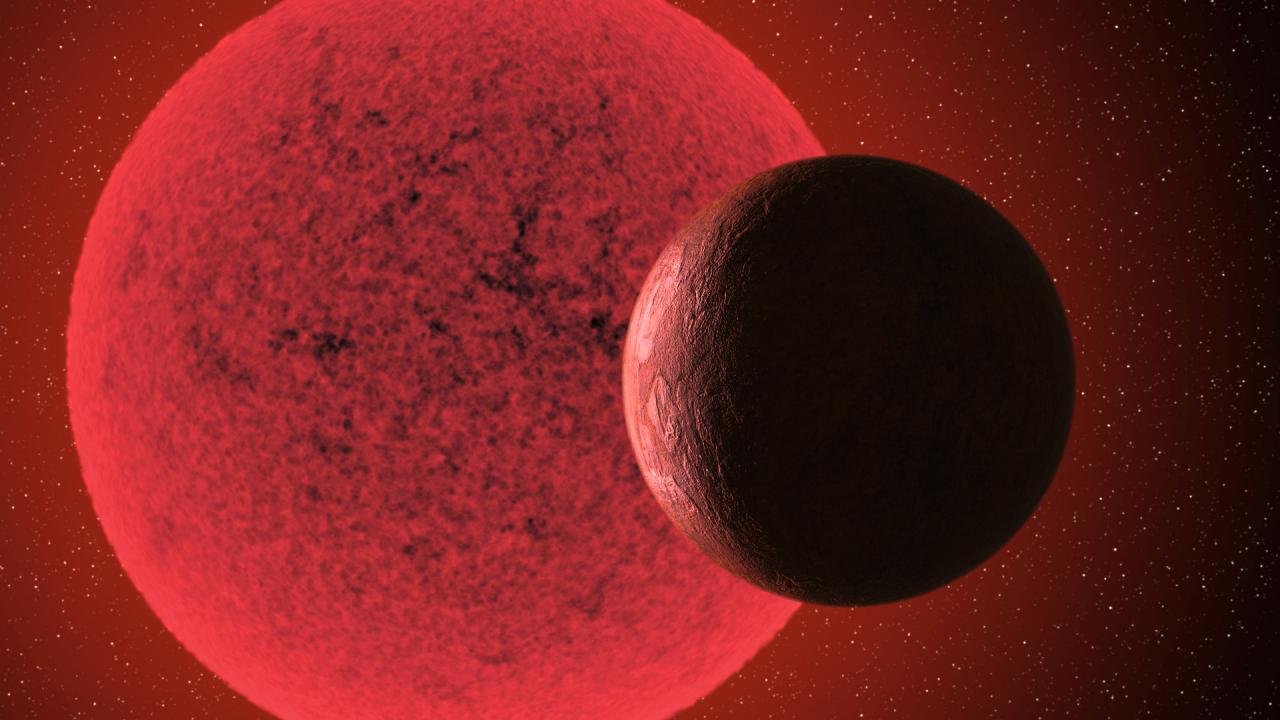
Artist’s impression of PSR J2039−5617 and its companion. The binary system consists of a rapidly rotating neutron star

An international research team including members from The University of Manchester has shown that a rapidly rotating neutron star is at the core of a celestial object now known as PSR J2039-5617

The international collaboration used novel data analysis methods and the enormous computing power of the citizen science project Einstein@Home to track down the neutron star’s faint gamma-ray pulsations in data from NASA’s Fermi Space Telescope. Their results show that the pulsar is in orbit with a stellar companion about a sixth of the mass of our Sun. The pulsar is slowly but surely evaporating this star...

Read More

Injection to treat Skin Cancer developed

Bioadhesive nanoparticles.
Bioadhesive nanoparticles (white) after being taken up by skin cancer tumor cells during in virtro culture. (Image credit: Julia Lewis)

Yale researchers are developing a skin cancer treatment that involves injecting nanoparticles into the tumor, killing cancer cells with a two-pronged approach, as a potential alternative to surgery.

The results are published in the Proceedings of the National Academy of Sciences. “For a lot of patients, treating skin cancer is much more involved than it would be if there was a way to effectively treat them with a simple procedure like an injection,” said Dr. Michael Girardi, professor and vice chair of dermatology at Yale School of Medicine and senior author of the study...

Read More

Beyond Qubits: Next big step to scale up Quantum Computing

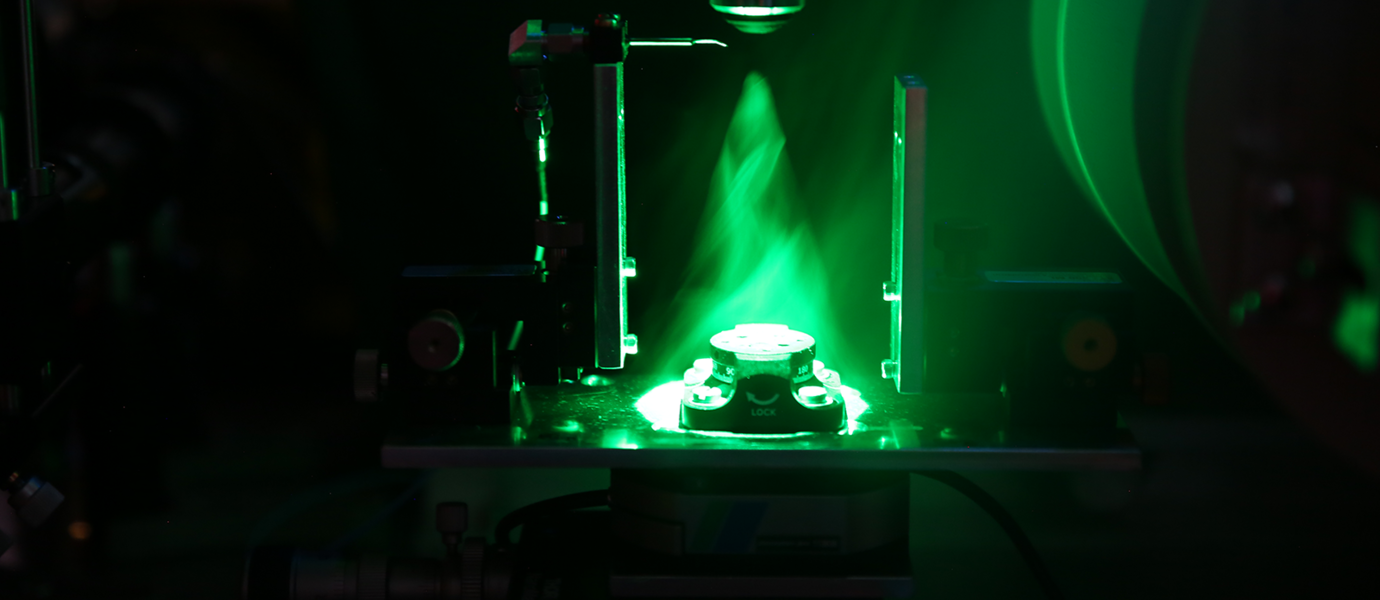
The control platform with the cryogenic chip to control thousands of qubits.
The control platform with the cryogenic chip to control thousands of qubits.  The invention will help quantum engineers overcome the input-output bottleneck preventing quantum machines scaling to useful devices.

Scientists and engineers at the University of Sydney and Microsoft Corporation have opened the next chapter in quantum technology with the invention of a single chip that can generate control signals for thousands of qubits, the building blocks of quantum computers.

“To realise the potential of quantum computing, machines will need to operate thousands if not millions of qubits,” said Professor David Reilly, a designer of the chip who holds a joint position with Microsoft and the University of Sydney.

“The world’s biggest quantum computers currently operate with just 50 o...

Read More

The Secrets of 3000 Galaxies laid Bare

A/Prof Julia Bryant from the University of Sydney inside the SAMI instrument at the top end of the Anglo Australian Telescope
CreditScott Croom/University of Sydney

Shedding light on the evolution of the Universe. The complex mechanics determining how galaxies spin, grow, cluster and die have been revealed following the release of all the data gathered during a massive seven-year Australian-led astronomy research project.

The scientists observed 13 galaxies at a time, building to a total of 3068, using a custom-built instrument called the Sydney-AAO Multi-Object Integral-Field Spectrograph (SAMI), connected to the 4-metre Anglo-Australian Telescope (AAT) at Siding Spring Observatory in New South Wales. The telescope is operated by the Australian National University.

Overseen by ...

Read More