New Combined Process for 3D Printing

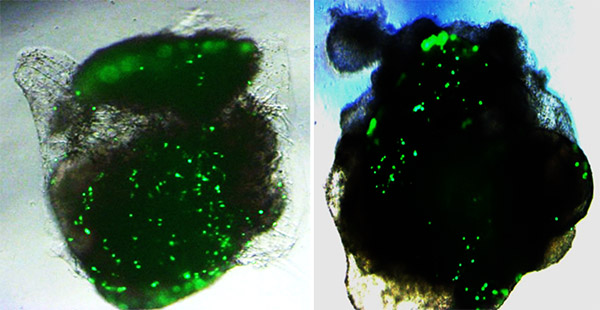
nside the 3-D-printed material (right) a lattice structure (left) contains the added liquids. Credit: Harald Rupp/Uni Halle

Chemists at Martin Luther University Halle-Wittenberg (MLU) have developed a way to integrate liquids directly into materials during the 3D printing process. This allows, for example, active medical agents to be incorporated into pharmaceutical products or luminous liquids to be integrated into materials, which allow monitoring of damage. The study was published in “Advanced Materials Technologies”.

3D printing is now widely used for a range of applications. Generally, however, the method is limited to materials which are liquefied through heat and become solid after printing...

Read More

Astronomers detect possible Radio Emission from Exoplanet

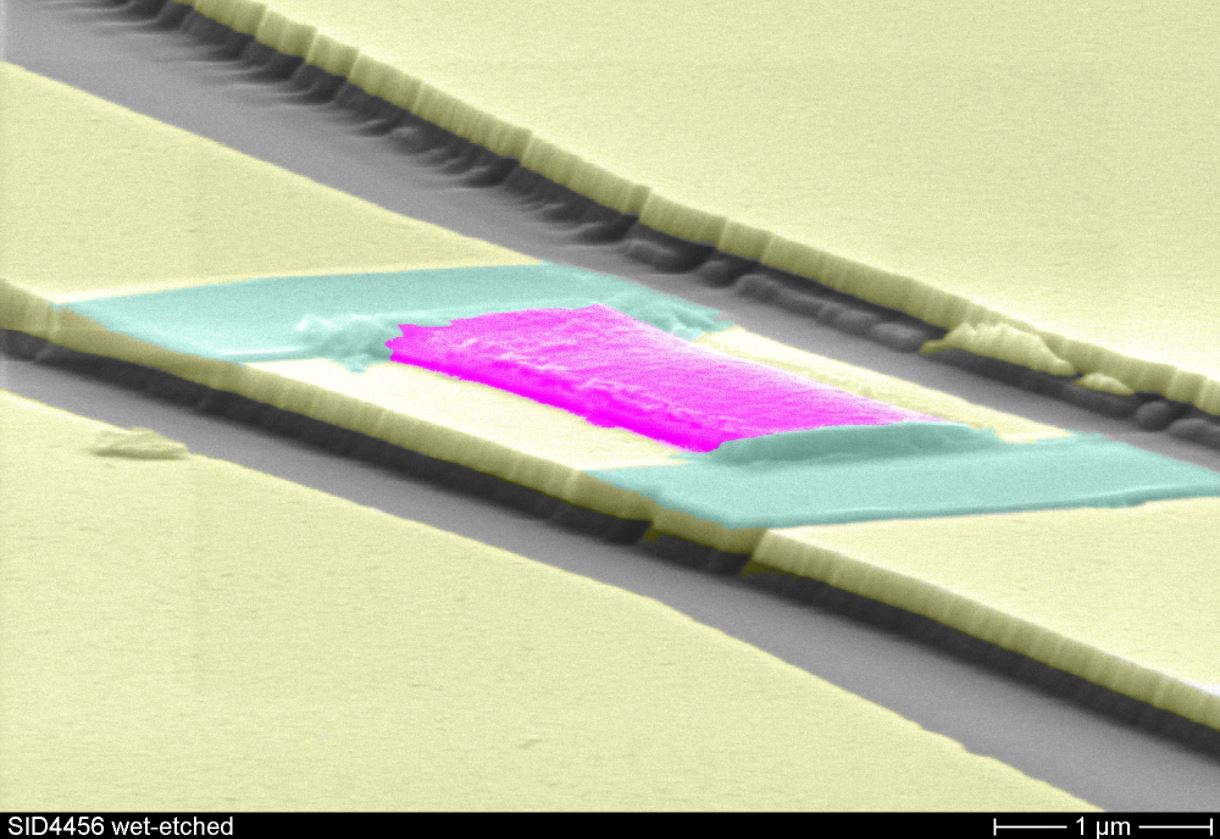
In this artistic rendering of the Tau Boötes b system, the lines representing the invisible magnetic field are shown protecting the hot Jupiter planet from solar wind Jack Madden/Cornell University

By monitoring the cosmos with a radio telescope array, an international team of scientists has detected radio bursts emanating from the constellation Boötes — that could be the first radio emission collected from a planet beyond our solar system.

The team, led by Cornell postdoctoral researcher Jake D. Turner, Philippe Zarka of the Observatoire de Paris — Paris Sciences et Lettres University and Jean-Mathias Griessmeier of the Université d’Orléans will publish their findings in the forthcoming research section of Astronomy & Astrophysics, on Dec. 16.

“We present one of the first hi...

Read More

Type and abundance of Mouth Bacteria linked to Lung Cancer Risk in Nonsmokers

The type and abundance of bacteria found in the mouth may be linked to lung cancer risk in non-smokers, finds the first study of its kind, published online in the journal Thorax.

Fewer species and high numbers of particular types of bacteria seem to be linked to heightened risk, the findings indicate.

Around one in four cases of lung cancer occurs in non-smokers and known risk factors, such as second hand tobacco smoke, background radon exposure, air pollution, and family history of lung cancer don’t fully explain these figures, say the researchers.

The type and volume of bacteria (microbiome), found in the mouth has been associated with a heightened risk of various cancers including those of the gullet, head and neck, and pancreas.

And the researchers wanted to find out i...

Read More

Data-driven discovery of Biomarkers pave way for improved Diagnosis of Contact Allergy

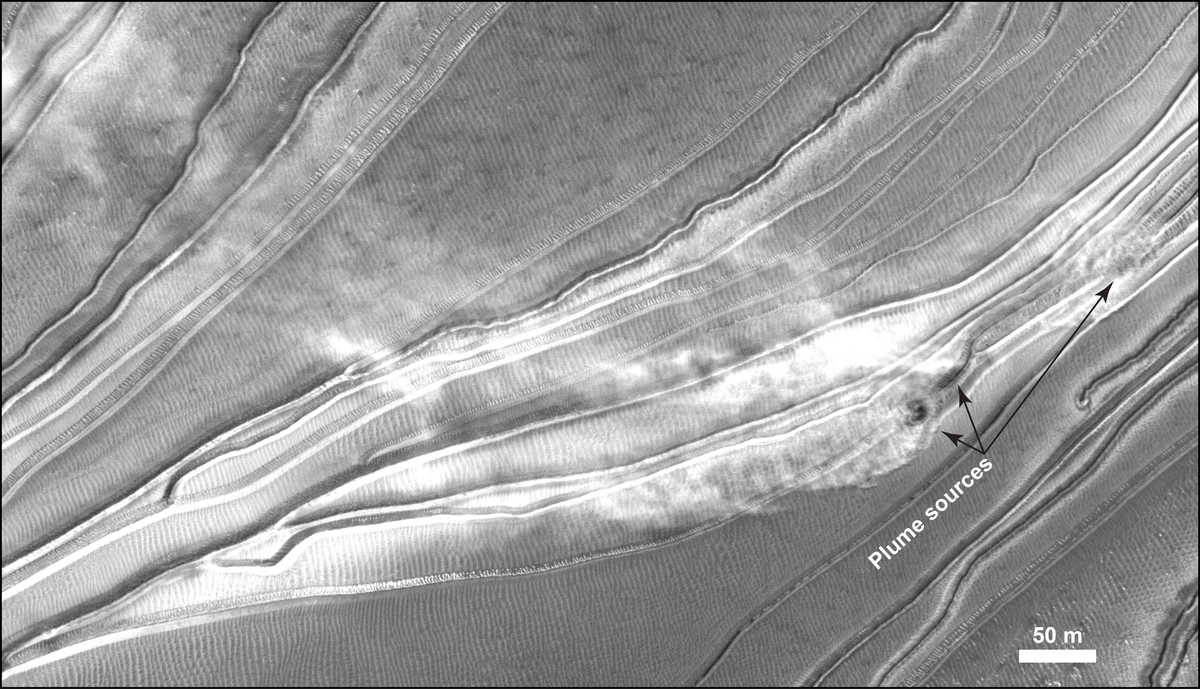
IHC staining of chemical exposed human skin. 

With the help of algorithms, researchers at Karolinska Institutet in Sweden have identified markers that can differentiate between irritant eczema and contact allergy, two skin reactions that look similar but require different treatment. Their findings, which are published in the journal Proceedings of the National Academy of Sciences (PNAS), support the further development of an alternative to today’s diagnostic patch tests.

About 20 percent of the population of high-income countries are troubled by contact eczema, a disease often associated with exposure to chemicals in the working environment...

Read More