Scientists build whole functioning Thymus from Human Cells

Images of stages of the researchers repopulating the scaffold.

Scientists at the Francis Crick Institute and University College London have Rebuilt a human Thymus, an essential organ in the Immune system, using human stem cells and a bioengineered scaffold. Their work is an important step towards being able to build artificial thymi which could be used as transplants.

The thymus is an organ in the chest where T lymphocytes, which play a vital role in the immune system, mature. If the thymus does not work properly or does not form during fetal development in the womb, this can lead to diseases such as severe immunodeficiency, where the body cannot fight infectious diseases or cancerous cells, or autoimmunity, where the immune system mistakenly attacks the patient’s own healthy tissue.

In their proof-of-concept study, published in Nature Comm...

Read More

Faraday Fabrics? MXene-coated fabric could contain Electronic Interference in Wearable Devices

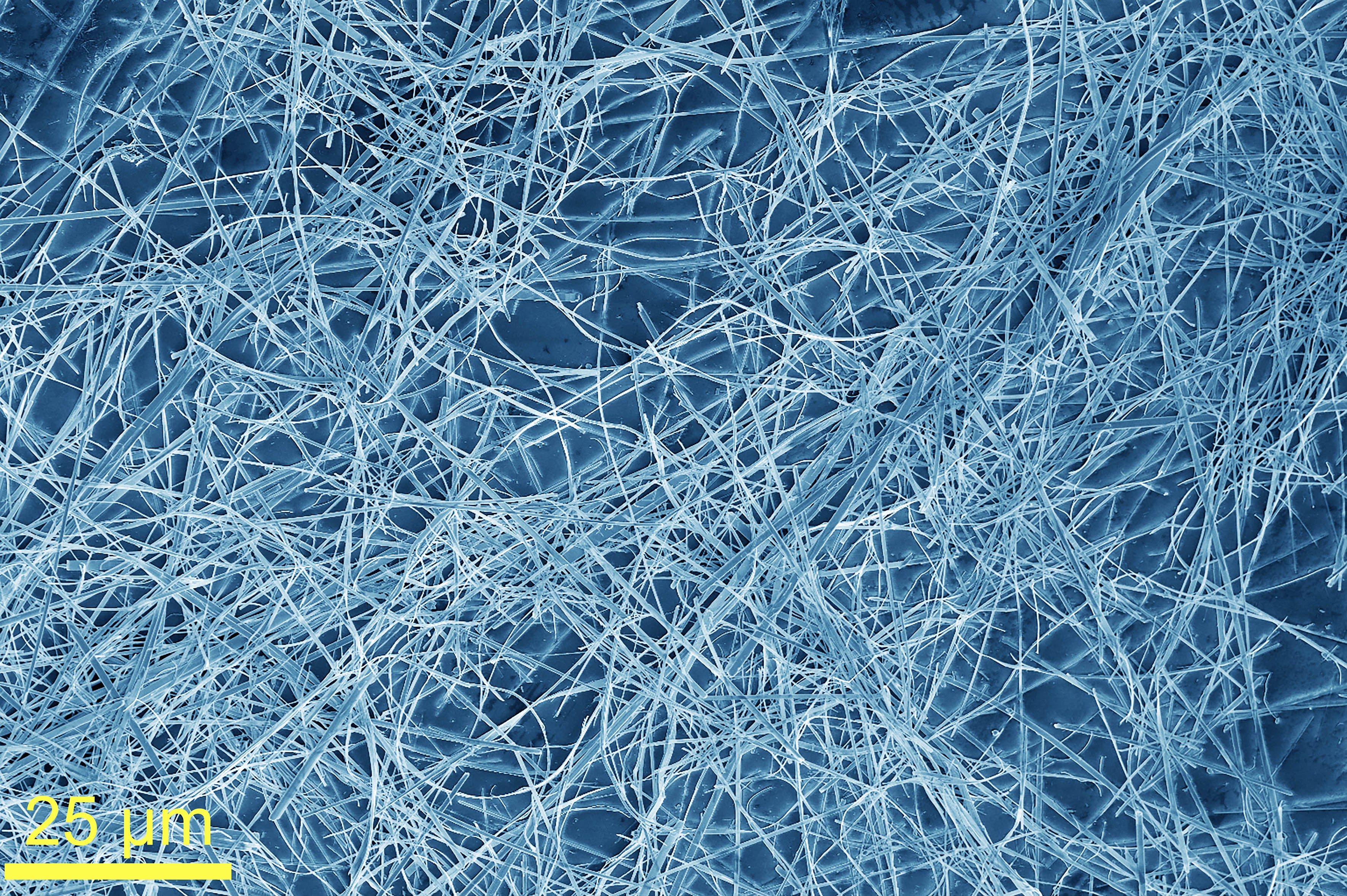
Adding a coating of MXene to cotton or linen fabrics gives them the ability to block electromagnetic interference, according to new research out of Drexel’s College of Engineering.

Researchers at Drexel University’s College of Engineering have reported that fabric coated with a conductive, two-dimensional material called MXene, is highly effective at blocking electromagnetic waves and potentially harmful radiation. The discovery is a key development for efforts to weave technological capabilities into clothing and accessories.

Materials that block electromagnetic waves had a commercial moment a handful of years ago when fears that high-tech thieves could scan or copy credit cards, passports or hack into laptops and contactless car keys had people putting them in special wallets, bag...

Read More

Exoplanet around Distant Star resembles reputed ‘Planet Nine’ in our solar system

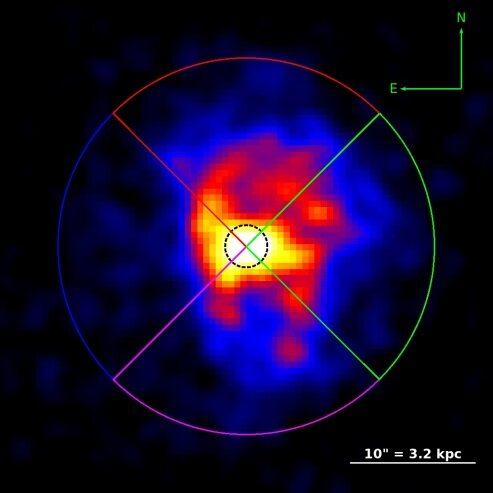
This Hubble Space Telescope image shows one possible orbit (dashed ellipse) of the 11-Jupiter-mass exoplanet HD 106906 b. This remote world is widely separated from its host stars, whose brilliant light is masked here to allow the planet to be seen. The planet resides outside its system’s circumstellar debris disk, which is akin to our own Kuiper Belt of small, icy bodies beyond Neptune. The disk itself is asymmetric and distorted, perhaps due to the gravitational tug of the wayward planet. Other points of light in the image are background stars. (Image by NASA, ESA, Meiji Nguyen/UC Berkeley, Robert De Rosa/ESO and Paul Kalas/UC Berkeley and SETI Institute)

Astronomers confirm bound orbit for planet far from its star, showing that far-flung planets exist...

Read More

Hydrogels with Fine-Toothed Molecular Combs may make enduring Glucose-Monitoring Implants

Hydrogels With Fine-Toothed Molecular Combs Could Make Enduring Glucose-Monitoring  Implants - Texas A&M Today
Hydrogels infused with comb-like molecules may monitor blood sugar longer than current implants. Getty Images

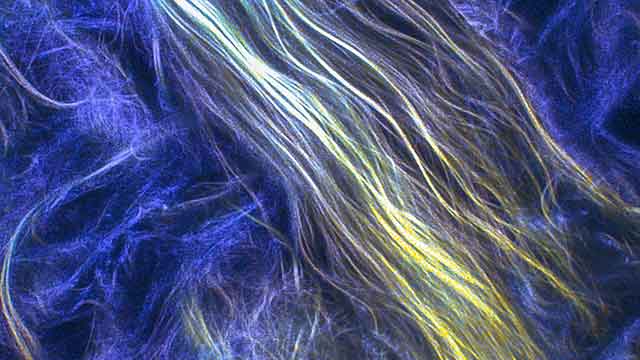
In a new study, published online in the journal American Chemical Society (ACS) Applied Polymer Materials, scientists at Texas A&M University reported they have designed a hydrogel membrane that may be used to house optical glucose sensing materials, toward building a biosensor for monitoring sugar levels in diabetics.

By incorporating dangling, comb-type molecular chains within a type of hydrogel called poly(N-isopropylacrylamide) or poly NIPAAm for short, they showed that the membrane could prevent leakage of small-sized molecules, like the ones for glucose-sensing, while still allowing glucose to freely diffuse in and out.

When ready for clinical use, the researchers s...

Read More