




New class of Antibiotics active against a Wide Range of Bacteria

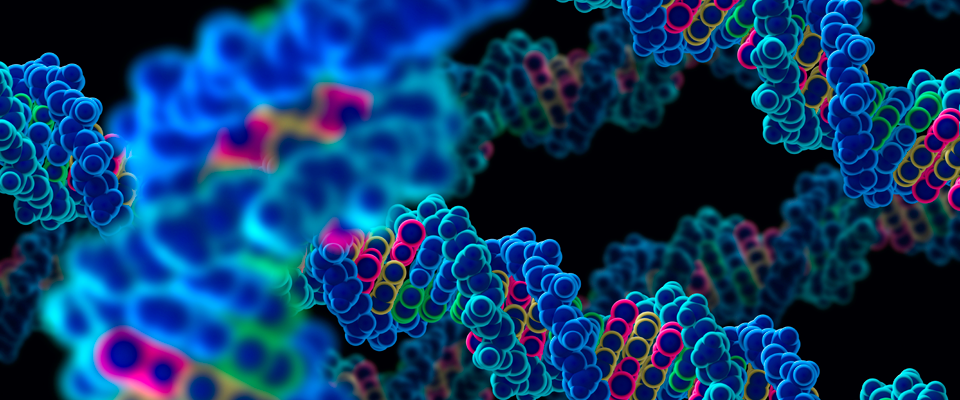
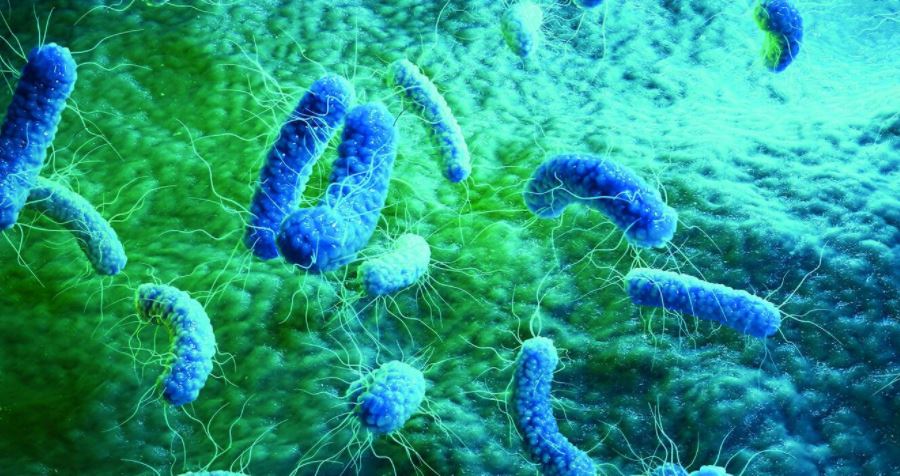
Dual-acting immuno-antibiotics block an essential pathway in bacteria and activate the adaptive immune response. Wistar Institute scientists have discovered a new class of compounds that uniquely combine direct antibiotic killing of pan drug-resistant bacterial pathogens with a simultaneous rapid immune response for combatting antimicrobial resistance (AMR). These finding were published today in Nature.

The World Health Organization (WHO) has declared AMR as one of the top 10 global public health threats against humanity. It is estimated that by 2050, antibiotic-resistant infections could claim 10 million lives each year and impose a cumulative $100 trillion burden on the global economy...

Read More
Putting on the Pressure improves Glass for Fiber Optics

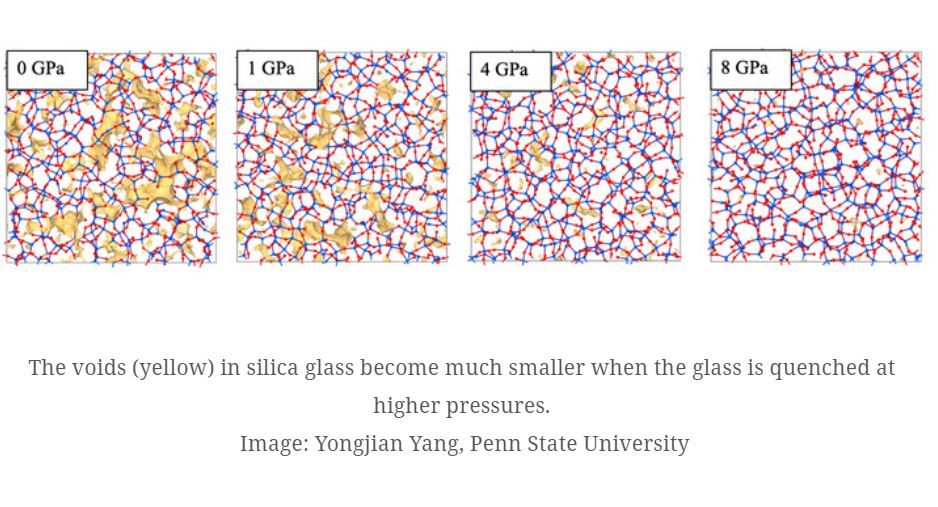
Rapid, accurate communication worldwide is possible via fiber optic cables, but as good as they are, they are not perfect. Now, researchers from Penn State and AGC Inc. in Japan suggest that the silica glass used for these cables would have less signal loss if it were manufactured under high pressure.

“Signal loss means that we have to use amplifiers every 80 to 100 kilometers (50 to 62 miles),” said John C. Mauro, professor of materials science and engineering, Penn State. “After that distance, the signal wouldn’t be detected properly. Across continents or across oceans that becomes a big deal.”

Glass fibers lose signal strength because of Rayleigh scattering — scattering of light that comes from fluctuations in the glass’s atomic structure.

“Glass, on an atomic scale, is he...

Read More

Key clues to Understanding the Death of Stars

Three flavors are better than one — in ice cream and supernova research -  Northwestern Now

New research has found that by studying all three ‘flavors’ involved in a supernova, they’ve unlocked more clues as to how and why stars die. Any Neapolitan ice cream lover knows three flavors are better than one. New research from Northwestern University has found that by studying all three “flavors” involved in a supernova, they’ve unlocked more clues as to how and why stars die.

Scientists look at neutrinos (subatomic particles) for critical information about supernova explosions. While previous research identified three “flavors” of neutrinos, many researchers continued to simplify studies on the topic by studying “vanilla” while ignoring “chocolate” and “strawberry.”

By including all three flavors in the study, Northwestern researchers have developed a deeper knowledge of d...

Read More

Anti-Diarrhea Drug drives Cancer cells to Cell Death

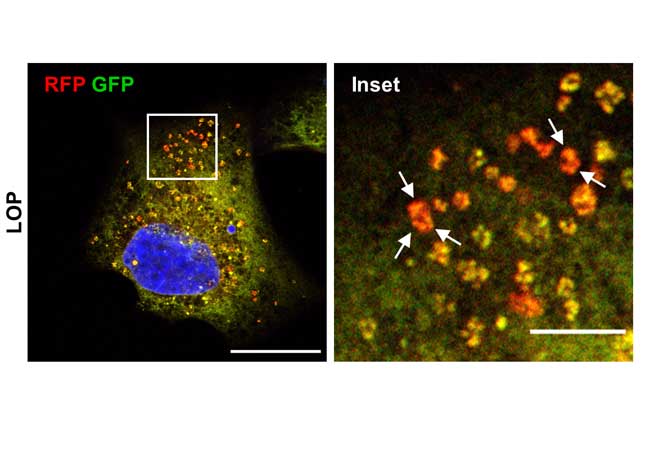
In glioblastoma cells, the antidiarrheal drug loperamide triggers the degradation of the endoplasmic reticulum. In the normal state, it is coloured yellow in these microscopic images. In the degradation state, it glows as a red signal (marked with arrows). Left scale bar: 20 µm, right scale bar (inset): 5 µm (Photos: Svenja Zielke et. al.)

In cell culture, loperamide, a drug commonly used against diarrhea, proves effective against glioblastoma cells. A research team has now unraveled the drug’s mechanisms of action of cell death induction and – in doing so – has shown how this compound could help attack brain 7mtumors that otherwise are difficult to treat.

The research group led by Dr Sjoerd van Wijk from the Institute of Experimental Cancer Research in Paediatrics at Goethe Unive...

Read More