Mysterious Deep-Space Flashes Repeat every 157 days

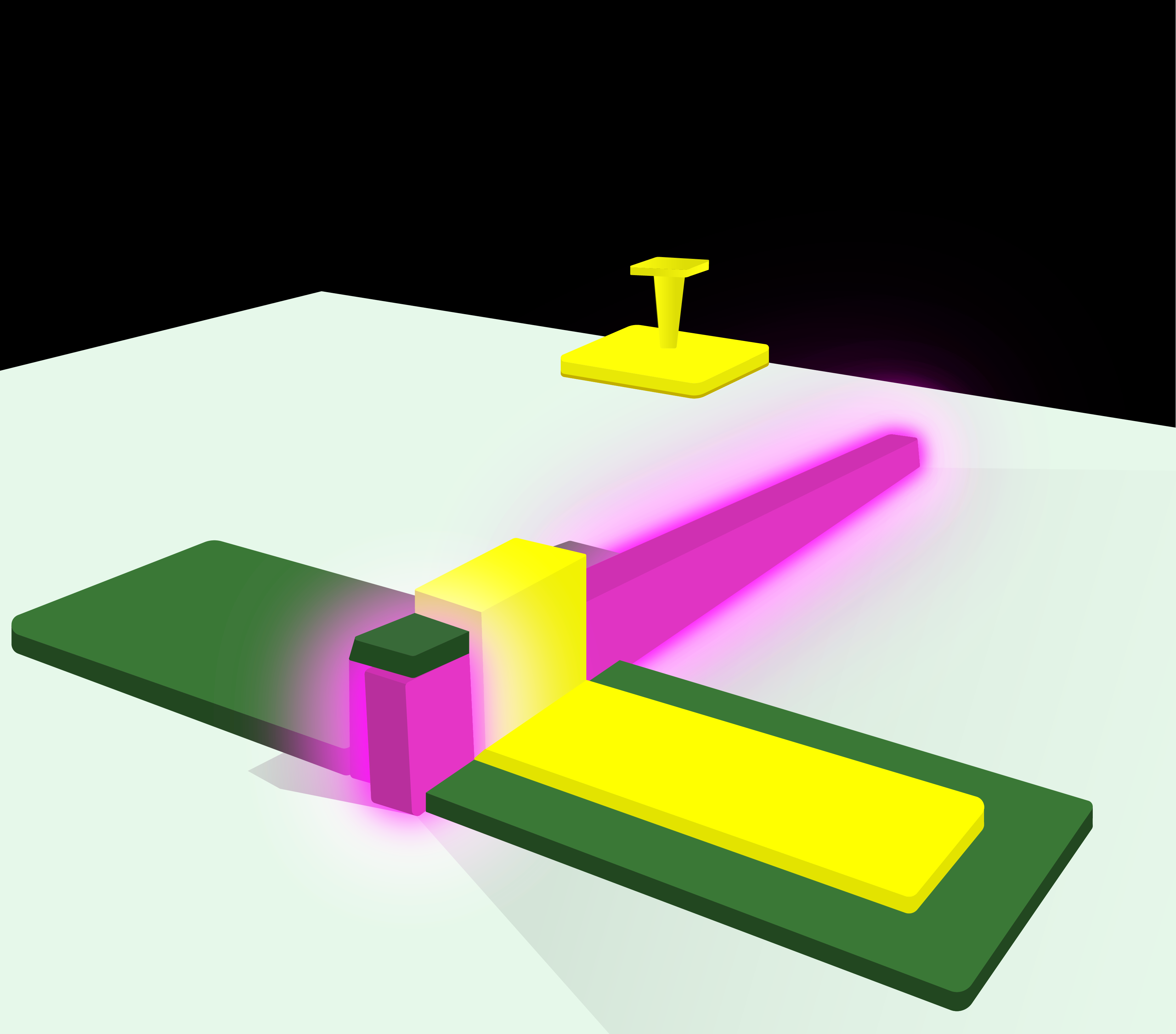
An artist’s impression of a fast radio burst (FRB) reaching Earth, with colors signifying different wavelengths. (Image credit: Jingchuan Yu, Beijing Planetarium)

The find could be a big clue about the nature of fast radio bursts. Astronomers have discovered an activity cycle in another fast radio burst, potentially unearthing a significant clue about these mysterious deep-space phenomena.

Fast radio bursts, or FRBs, are extragalactic flashes of light that pack a serious wallop, unleashing in a few milliseconds as much energy as Earth’s sun does in a century. Scientists first spotted an FRB in 2007, and the cause of these eruptions remains elusive nearly a decade and a half later; potential explanations range from merging superdense neutron stars to advanced alien civilizations.

Read More

Repetitive Negative Thinking linked to Dementia Risk

Amyloid beta in brain

Persistently engaging in negative thinking patterns may raise the risk of Alzheimer’s disease, finds a new UCL-led study.

In the study of people aged over 55, published in Alzheimer’s & Dementia, researchers found ‘repetitive negative thinking’ (RNT) is linked to subsequent cognitive decline as well as the deposition of harmful brain proteins linked to Alzheimer’s.

The researchers say RNT should now be further investigated as a potential risk factor for dementia, and psychological tools, such as mindfulness or meditation, should be studied to see if these could reduce dementia risk.

Lead author Dr Natalie Marchant (UCL Psychiatry) said: “Depression and anxiety in mid-life and old age are already known to be risk factors for dementia...

Read More

Engineers put Tens of Thousands of Artificial Brain Synapses on a Single chip

The new chip (top left) is patterned with tens of thousands of artificial synapses, or “memristors,” made with a silver-copper alloy. When each memristor is stimulated with a specific voltage corresponding to a pixel and shade in a gray-scale image (in this case, a Captain America shield), the new chip reproduced the same crisp image, more reliably than chips fabricated with memristors of different materials.
Image courtesy of the researchers

The design could advance the development of small, portable AI devices. MIT engineers have designed a “brain-on-a-chip,” smaller than a piece of confetti, that is made from tens of thousands of artificial brain synapses known as memristors — silicon-based components that mimic the information-transmitting synapses in the human brain.

The res...

Read More

Presence of Airborne Dust could signify Increased Habitability of Distant Planets

A visualization of three computer simulations of terrestrial exoplanets, showing winds (arrows) and airborne dust (color scale), with an M-dwarf host star in the background. Created by Denis Sergeev, STFC funded postdoctoral researcher at the University of Exeter. CREDIT Denis Sergeev/ University of Exeter

Scientists have expanded our understanding of potentially habitable planets orbiting distant stars by including a critical climate component – the presence of airborne dust.

The researchers suggest that planets with significant airborne dust – similar to the world portrayed in the classic sci-fi Dune – could be habitable over a greater range of distances from their parent star, therefore increasing the window for planets capable of sustaining life.

The team from the University ...

Read More