Drug researcher develops ‘Fat Burning’ Molecule

Schematic showing key energy production pathways. Metabolites colour-coded by fold change of WD + BAM15 compared with WD, scale of twofold positive (red) to twofold negative (blue).

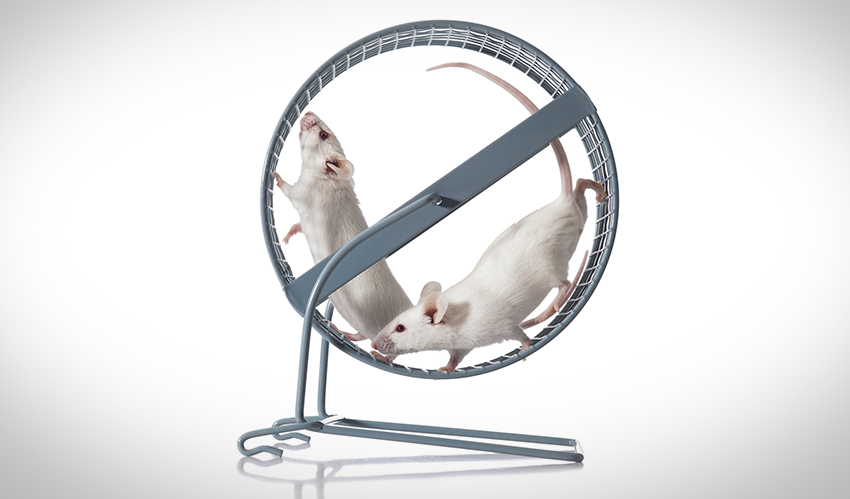
Scientists have recently identified a small mitochondrial uncoupler, named BAM15, that decreases the body fat mass of mice without affecting food intake and muscle mass or increasing body temperature.

Obesity affects more than 40 percent of adults in the United States and 13 percent of the global population. With obesity comes a variety of other interconnected diseases including cardiovascular disease, diabetes, and fatty liver disease, which makes the disease one of the most difficult — and most crucial — to treat.

“Obesity is the biggest health problem in the United States...

Read More

Transparent Graphene Electrodes might lead to New Generation of Solar Cells

A new manufacturing process for graphene is based on using an intermediate carrier layer of material after the graphene is laid down through a vapor deposition process. The carrier allows the ultrathin graphene sheet, less than a nanometer (billionth of a meter) thick, to be easily lifted off from a substrate, allowing for rapid roll-to-roll manufacturing. These figures show this process for making graphene sheets, along with a photo of the proof-of-concept device used (b).
Courtesy of the researchers

Engineers have synthesized a tiny structure with high surface area and discovered how its unique architecture drives ions across interfaces to transport energy or information...

Read More

Astronomers find Elusive Target Hiding behind Dust

Credit: Bill Saxton, NRAO/AUI/NSF

Discovery resolves longstanding question.
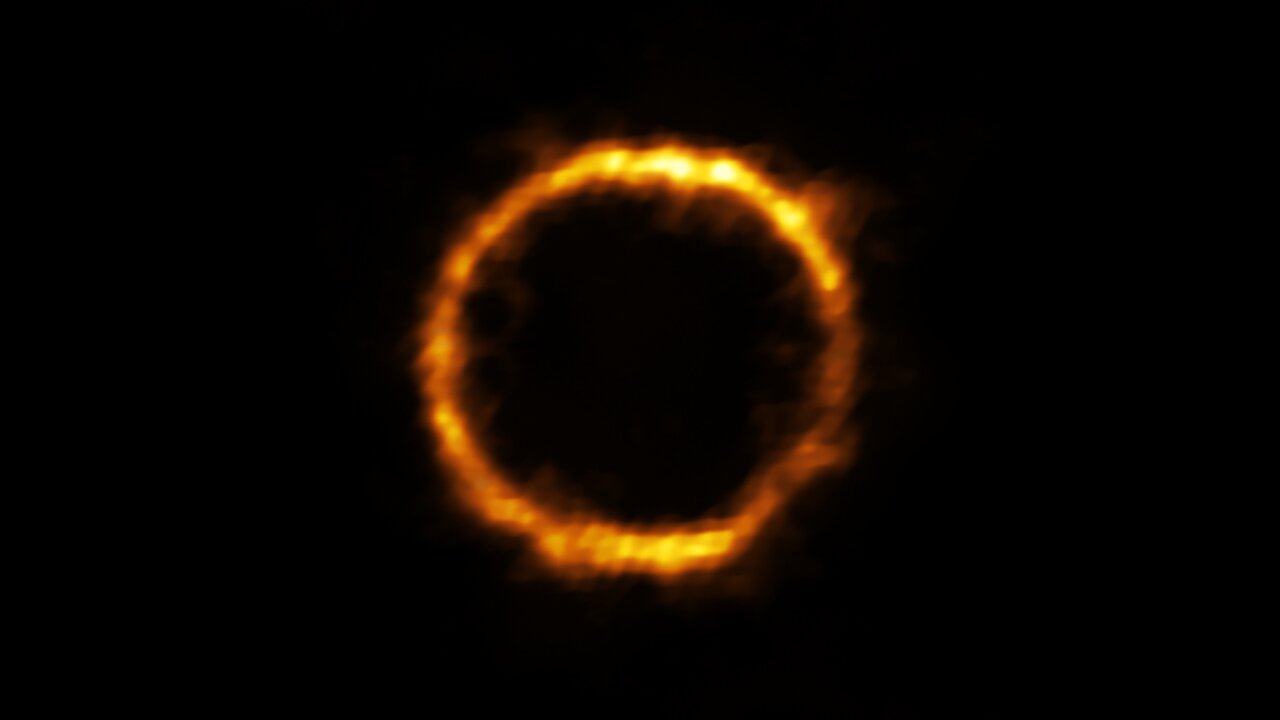
Some young, still-forming stars are surrounded by regions of complex organic molecules called ”hot corinos.” In some pairs of young stars forming together as binary pairs, astronomers found a hot corino around one, but not the other. Guessing that the unseen one might be obscured by dust, researchers studied such a pair with the VLA at radio wavelengths that readily pass through dust, and found the other one.

Astronomers acting on a hunch have likely resolved a mystery about young, still-forming stars and regions rich in organic molecules closely surrounding some of them. They used the National Science Foundation’s Karl G...

Read More

Paper-based Technology Advances Earlier Cancer Detection

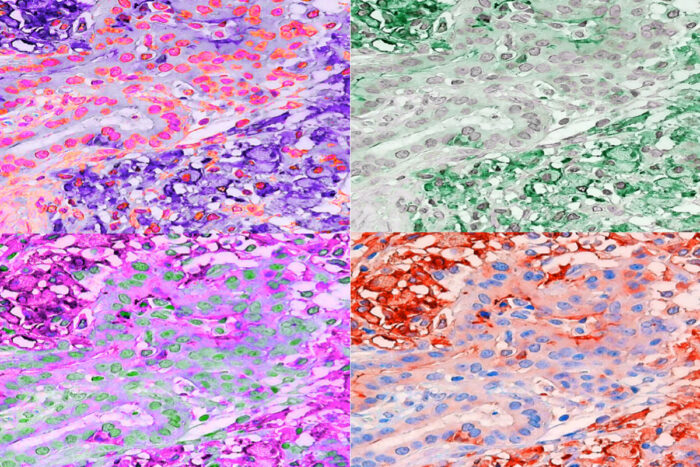
Image of the paper-based isotachophoresis (ITP) device that isolates, enriches, and detects exosomes from a prostate cancer cell line.

Washington State University researchers have developed a technology that is more than 30 times more sensitive than current lab-based tests in finding early stage cancer biomarkers in blood.

The technology uses an electric field to concentrate and separate cancer biomarkers onto a paper strip. It could someday become a kind of liquid biopsy and could lead to earlier detection of and faster treatments for cancer, a disease that causes more than 9.6 million deaths a year around the world.

Led by Wenji Dong, associate professor in the Gene and Linda Voiland School of Chemical Engineering and Bioengineering, and graduate student Shuang Guo, the researc...

Read More