



Software of Autonomous Driving Systems

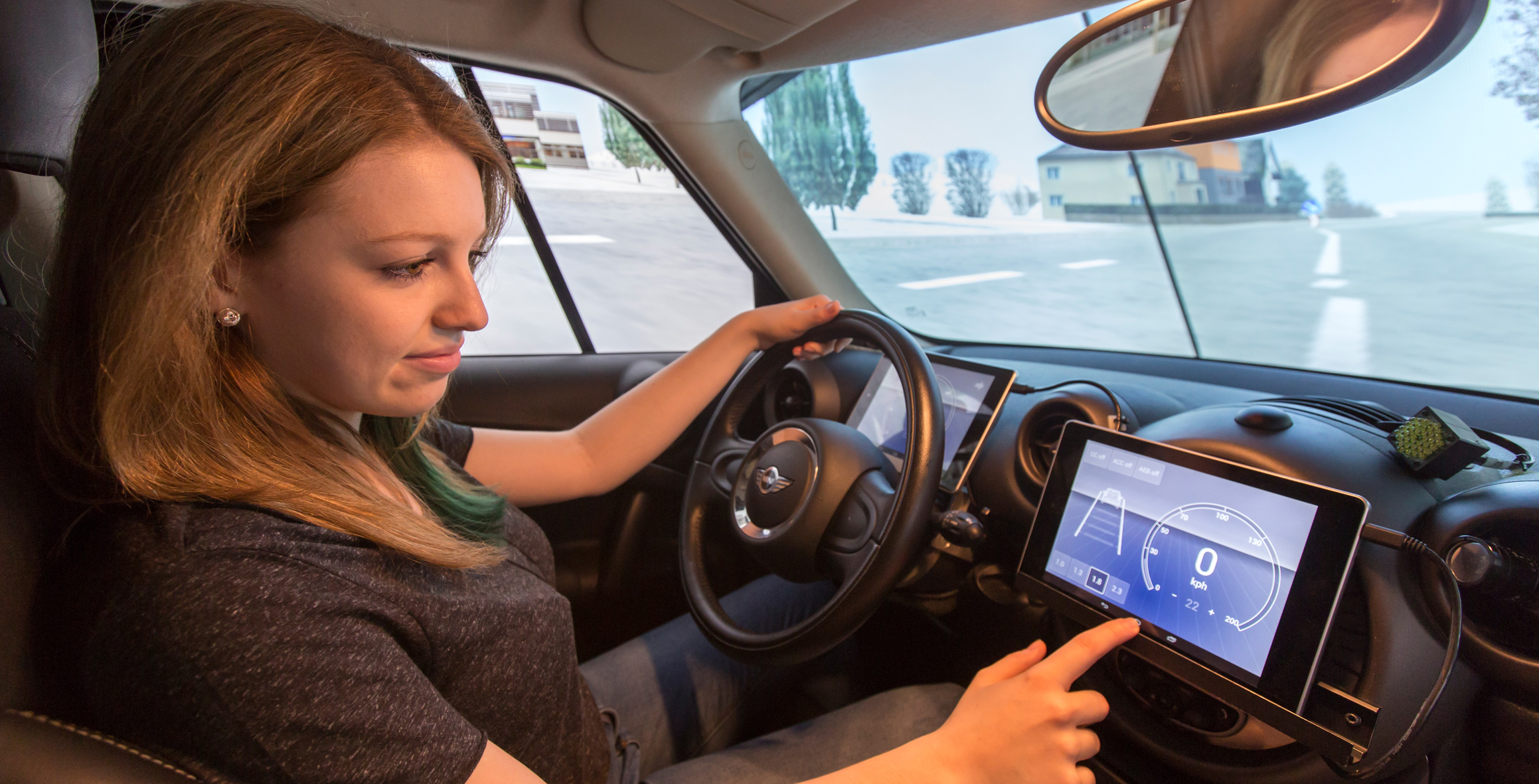
Researchers at TU Graz and AVL are working to make autonomous driving systems safer. © Lunghammer – TU Graz

Researchers have been developing software systems of autonomous driving systems. They have now developed a method for generating safety-critical simulation scenarios and an adaptive control procedure for compensating for internal errors.

The future has already arrived. (Partially) autonomous cars are already on our roads today with automated systems such as braking or lane departure warning systems. As a central vehicle component, the software of these systems must continuously and reliably meet high quality criteria...

Read More
Hubble sees Summertime on Saturn

NASA’s Hubble Space Telescope captured this image of Saturn on July 4, 2020. Two of Saturn’s icy moons are clearly visible in this exposure: Mimas at right, and Enceladus at bottom. This image is taken as part of the Outer Planets Atmospheres Legacy (OPAL) project. OPAL is helping scientists understand the atmospheric dynamics and evolution of our solar system’s gas giant planets. In Saturn’s case, astronomers continue tracking shifting weather patterns and storms.
Credits: NASA, ESA, A. Simon (Goddard Space Flight Center), M.H. Wong (University of California, Berkeley), and the OPAL Team

Saturn is truly the lord of the rings in this latest snapshot from NASA’s Hubble Space Telescope, taken on July 4, 2020, when the opulent giant world was 839 million miles from Earth...

Read More

World’s Smallest Imaging Device has Heart Disease in focus

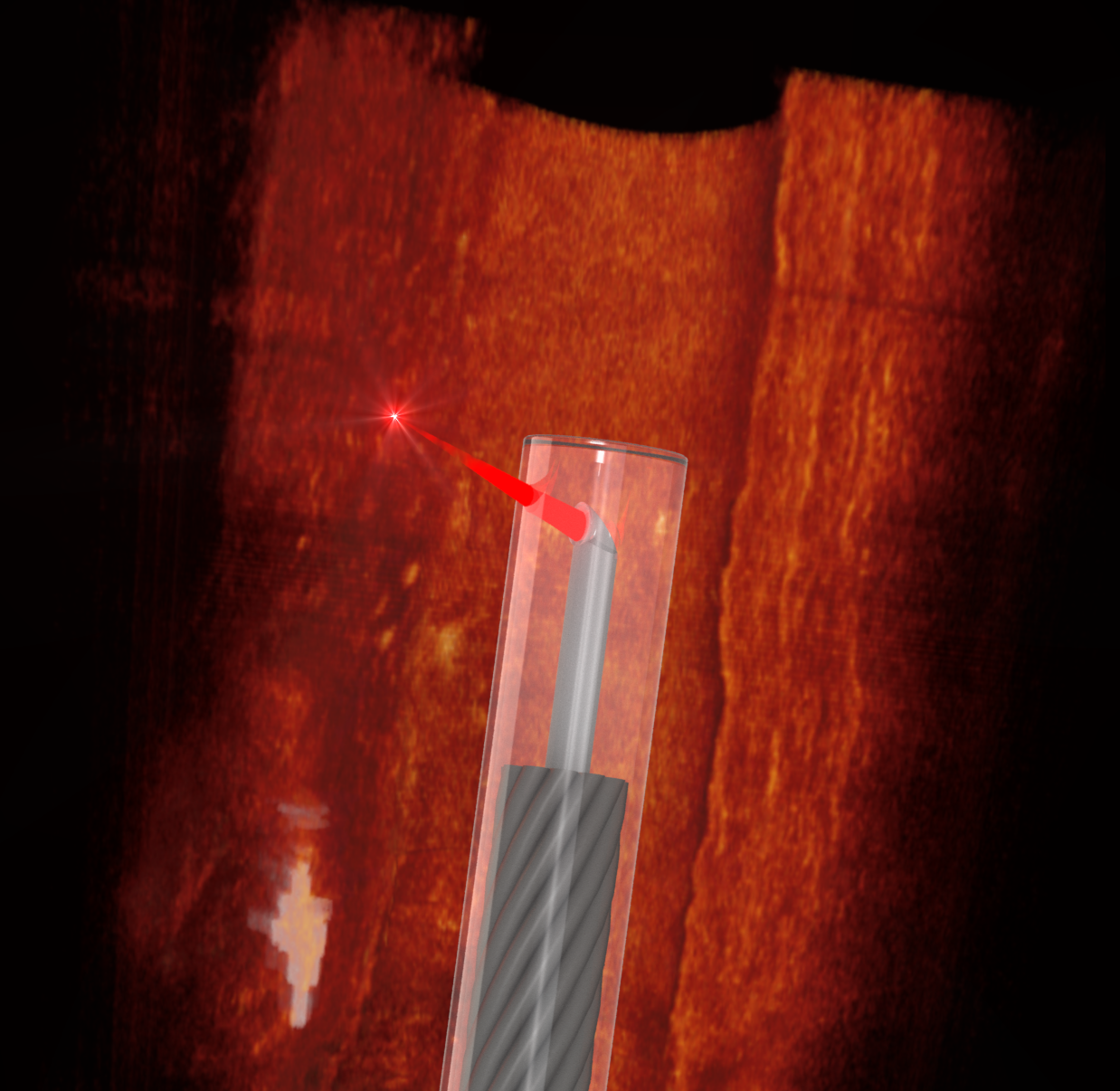
Ultrathin 3D printed endoscope imaging an artery_credit_ Simon Thiele and Jiawen Li
Ultrathin 3D printed endoscope imaging an artery – photo by Simon Thiele and Jiawen Li.

A team of researchers led by the University of Adelaide and University of Stuttgart has used 3D micro-printing to develop the world’s smallest, flexible scope for looking inside blood vessels.

The camera-like imaging device can be inserted into blood vessels to provide high quality 3D images to help scientists better understand the causes of heart attack and heart disease progression, and could lead to improved treatment and prevention.

In a study published in the journal Light: Science & Applications, a multidisciplinary team of researchers and clinicians was able to 3D print a tiny lens on to the end of an optical fibre, the thickness of a human hair.

The imaging device is so small that r...

Read More

Chemists make Tough Plastics Recyclable

Thermoset polymers, found in car parts and electrical appliances, have to be durable and heat-resistant, but typically cannot be easily recycled or broken down after use. MIT chemists have now developed a way to modify thermoset plastics that allows them to be more easily broken down without compromising their mechanical strength.
Image: stock image

Chemists have developed a way to modify thermoset plastics with a chemical linker that makes it much easier to recycle them, but still allows them to retain their mechanical strength.

Thermosets, which include epoxies, polyurethanes, and rubber used for tires, are found in many products that have to be durable and heat-resistant, such as cars or electrical appliances...

Read More