Nanostructured Rubber-like material with Optimal Properties could replace Human Tissue

Nano-gummi
​Chalmers researchers have developed a new material that could be suitable for various medical applications. The 3D printed ‘nose’ above, for example, shows how the material could act as a possible replacement for cartilage.​

Researchers from Chalmers University of Technology, Sweden, have created a new, rubber-like material with a unique set of properties, which could act as a replacement for human tissue in medical procedures. The material has the potential to make a big difference to many people’s lives. The research was recently published in the highly regarded scientific journal ACS Nano.

In the development of medical technology products, there is a great demand for new naturalistic materials suitable for integration with the body...

Read More

Turbulent Convection at the Heart of Stellar Activity

A look into the interior of the Sun and a more evolved giant star.
© MPS / Aalto University / hormesdesign.de

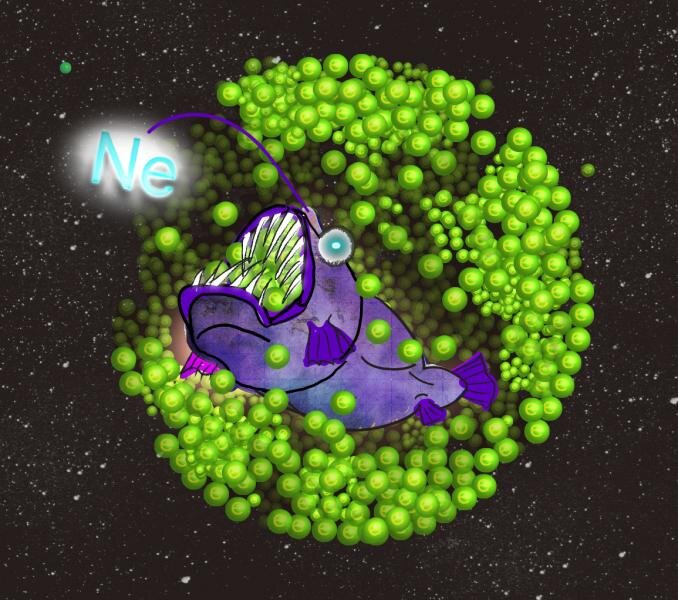
Different stars can exhibit different levels of activity. The Sun’s signs of solar activity are rather feeble on an astronomical scale. Other stars are up to ten times more active. While researchers have identified the magnetic fields generated in the interior of stars in a dynamo process as drivers of activity, the exact workings of this dynamo are unclear. Scientists now find that a common, turbulence-dependent dynamo mechanism plays a crucial role for stellar activity in all stages of stellar evolution.

In their interiors, stars are structured in a layered, onion-like fashion. In those with solar-like temperatures, the core is followed by the radiation zone...

Read More

Coronavirus Spreads Quickly and Sometimes before people have Symptoms, study finds

CoronavirusCDC
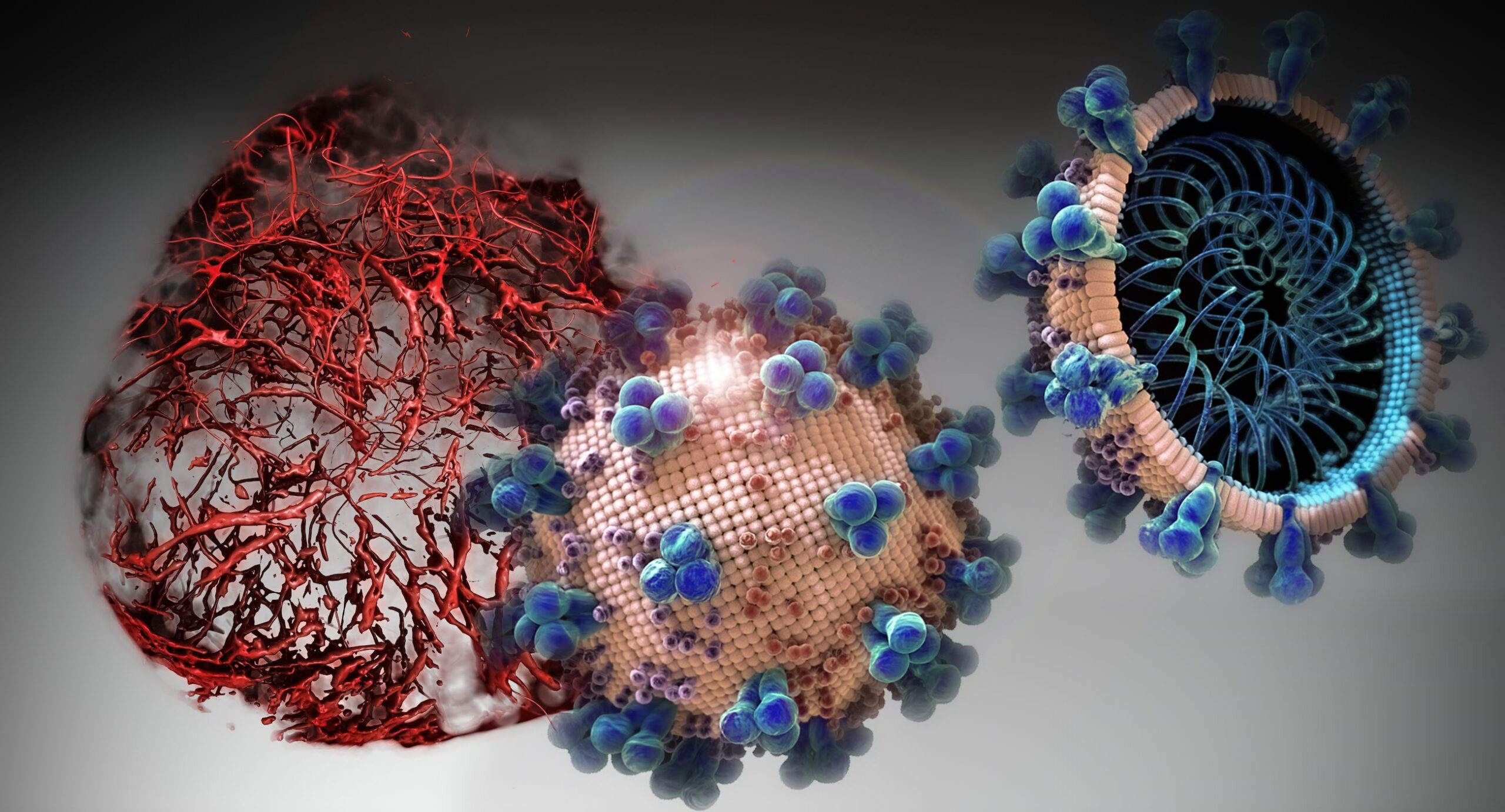
Novel coronavirus. Image courtesy of Centers for Disease Control and Prevention.

Infectious disease researchers at The University of Texas at Austin studying the novel coronavirus were able to identify how quickly the virus can spread, a factor that may help public health officials in their efforts at containment. They found that time between cases in a chain of transmission is less than a week and that more than 10% of patients are infected by somebody who has the virus but does not yet have symptoms.

In the paper in press with the journal Emerging Infectious Diseases, a team of scientists from the United States, France, China and Hong Kong were able to calculate what’s called the serial interval of the virus...

Read More

Scalable System for Producing promising 2D Material

ransmission electron microscopic image of a type of MXene material made via a new method that does not include water.

For more than a decade, two-dimensional nanomaterials, such as graphene, have been touted as the key to making better microchips, batteries, antennas and many other devices. But a significant challenge of using these atom-thin building materials for the technology of the future is ensuring that they can be produced in bulk quantities without losing their quality. For one of the most promising new types of 2D nanomaterials, MXenes, that’s no longer a problem. Researchers at Drexel University and the Materials Research Center in Ukraine have designed a system that can be used to make large quantities of the material while preserving its unique properties.

Proving th...

Read More