Study finds Dopamine, Biological Clock link to Snacking, Overeating and Obesity

Biology professor Ali Güler’s research links “highly processed foods readily and cheaply available at any time of the day or night” to obesity and its many complications via disrupted circadian rhythms.
Biology professor Ali Güler’s research links “highly processed foods readily and cheaply available at any time of the day or night” to obesity and its many complications via disrupted circadian rhythms. (Photos by Dan Addison, University Communications)

A new study finds that the pleasure center of the brain and the brain’s biological clock are linked, and that high-calorie foods – which bring pleasure – disrupt normal feeding schedules, resulting in overconsumption.

During the years 1976 through 1980, 15% of U.S. adults were obese. Today, about 40% of adults are obese. Another 33% are overweight.

Coinciding with this increase in weight are ever-rising rates of heart disease, diabetes, cancer and health complications caused by obesity, such as hypertension...

Read More
Step toward ‘Ink’ development for 3D Printing a Bioprosthetic Ovary

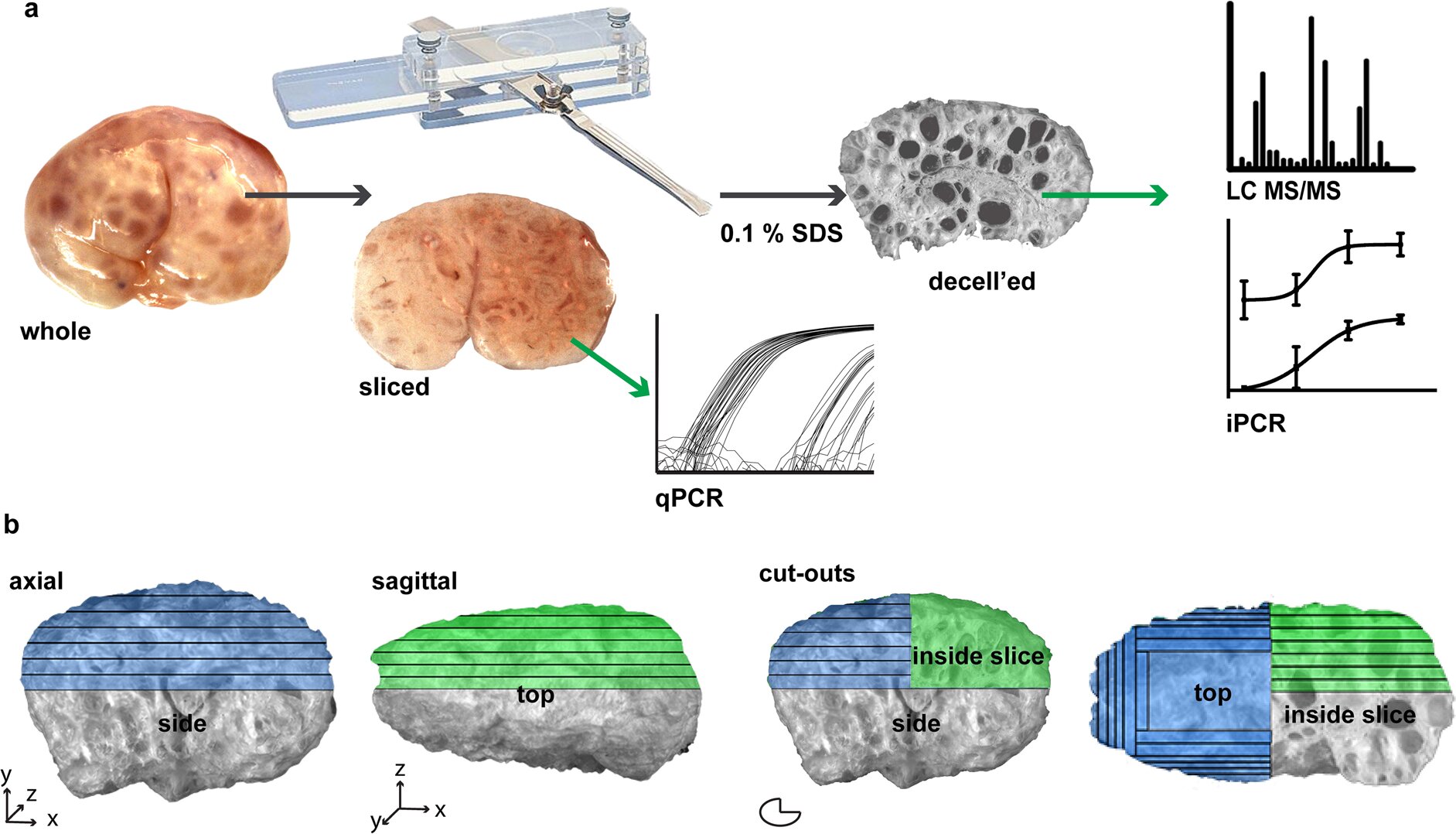
Schematic of (a) processing the porcine ovary with a tissue slicer, prior to qPCR analysis, decellularization then proteomics analysis and iPCR validation. (b) Ovaries were sliced axially and sagittally. SDS, sodium dodecyl sulfate; decell’ed, decellularized; LC MS/MS, liquid chromatography tandem mass spectrometry; iPCR, immuno PCR. Credit: Scientific Reports (2019). DOI: 10.1038/s41598-019-56454-3

Findings a huge step forward in fertility preservation and hormone restoration. For the first time, scientists identified and mapped the location of structural proteins in a pig ovary. Ongoing development of an “ink” with these proteins will be used for 3-D printing an artificial (or bio-prosthetic) ovary that could be implanted and allow a woman to have a child...

Read More

NASA’s TESS Mission uncovers its 1st World with Two Stars

Illustration of a planet silhouetted by two suns

Researchers working with data from NASA’s Transiting Exoplanet Survey Satellite (TESS) have discovered the mission’s first circumbinary planet, a world orbiting two stars. The planet, called TOI 1338 b, is around 6.9 times larger than Earth, or between the sizes of Neptune and Saturn. It lies in a system 1,300 light-years away in the constellation Pictor. The stars in the system make an eclipsing binary, which occurs when the stellar companions circle each other in our plane of view. One is about 10% more massive than our Sun, while the other is cooler, dimmer and only one-third the Sun’s mass. TOI 1338 b’s transits are irregular, between every 93 and 95 days, and vary in depth and duration thanks to the orbital motion of its stars...

Read More

Astronomers find Wandering Massive Black Holes in Dwarf Galaxies

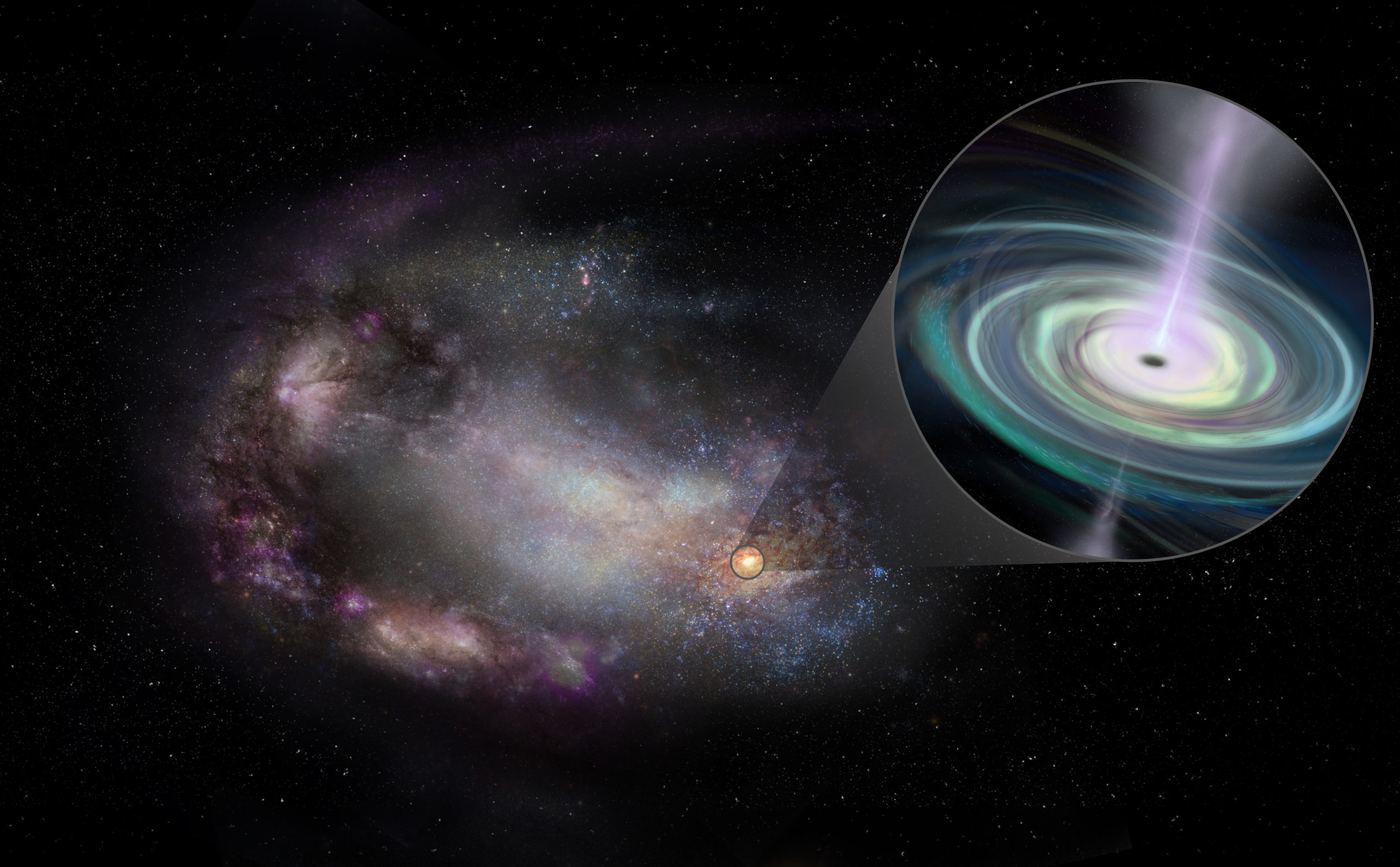
Credit: Sophia Dagnello, NRAO/AUI/NSF

In many cases, black hole is in galaxy’s outskirts. Studies with the VLA indicate that roughly half of the massive black holes in dwarf galaxies are not in the centers of those galaxies. This gives astronomers new insights into the conditions in which similar black holes formed and grew in the early history of the universe.

Astronomers seeking to learn about the mechanisms that formed massive black holes in the early history of the Universe have gained important new clues with the discovery of 13 such black holes in dwarf galaxies less than a billion light-years from Earth.

These dwarf galaxies, more than 100 times less massive than our own Milky Way, are among the smallest galaxies known to host massive black holes...

Read More