Astrophysicists link Brightening of Pulsar Wind Nebula to Pulsar Spin-down Rate Transition

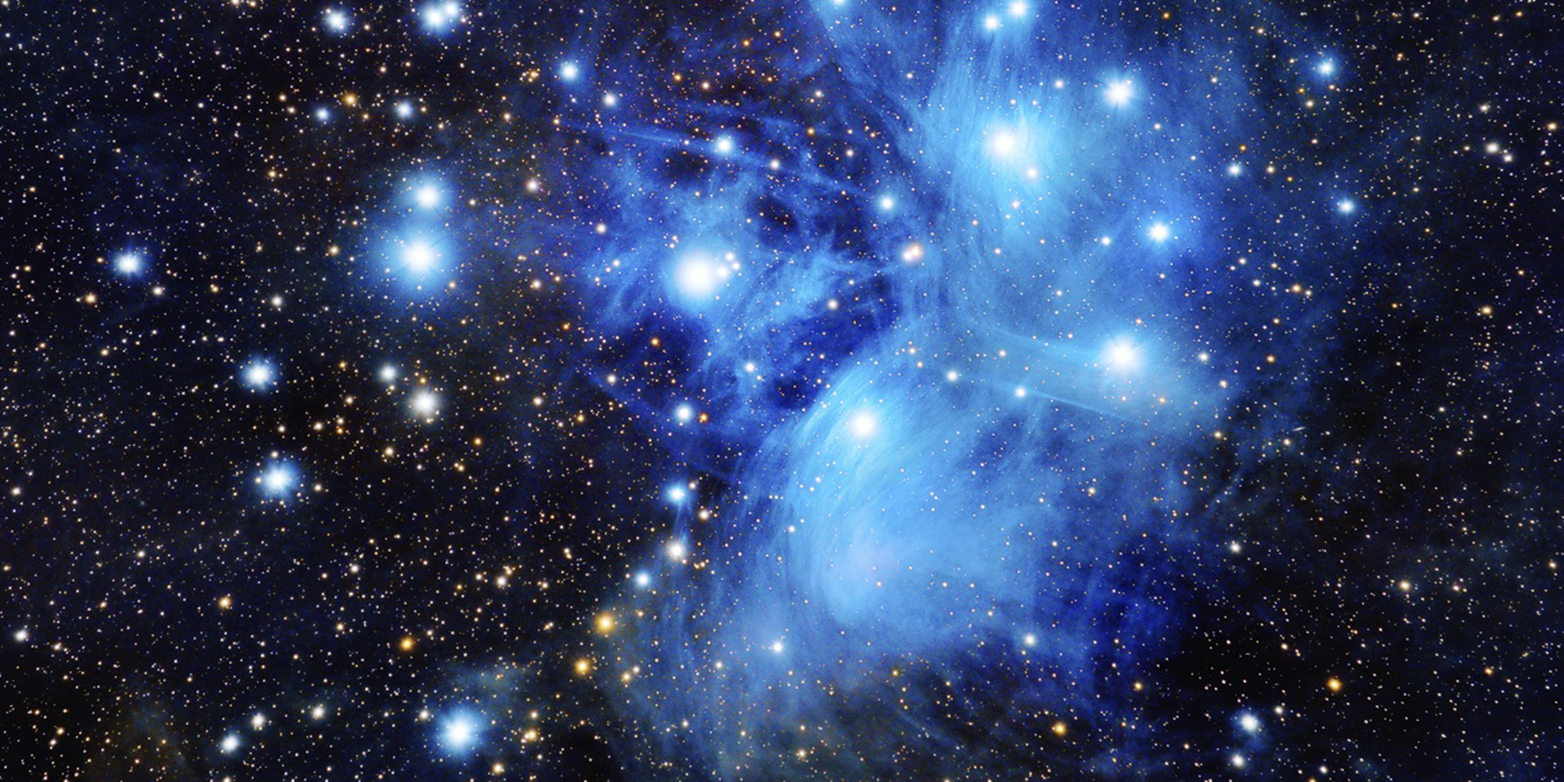
An illustration of the pulsar and pulsar wind nebula (PWN) system (not to scale). The relativistic wind from the central pulsar is terminated by a shock at a radius of about one light-year and starts to radiate. The typical size of a PWN is a few light-years. The image of the Large Magellanic Cloud galaxy shown in the lower left was taken by YE Ziyi . Credit: Institute of High Energy Physics

Astrophysicists have discovered that the pulsar wind nebula (PWN) surrounding the famous pulsar B0540-69 brightened gradually after the pulsar experienced a sudden spin-down rate transition (SRT)...

Read More

Bioprinting Complex Living Tissue in just a Few Seconds

Hollow mouse pulmonary artery model © Alain Herzog / 2019 EPFL
Volumetric Bioprinting of Complex Living‐Tissue Constructs within SecondsAdvanced Materials, 2019; 1904209 DOI: 10.1002/adma.201904209

Researchers have developed an extremely fast optical method for sculpting complex shapes in stem-cell-laden hydrogels and then vascularizing the resulting tissue. Their groundbreaking technique stands to change the field of tissue engineering.

Tissue engineers create artificial organs and tissues that can be used to develop and test new drugs, repair damaged tissue and even replace entire organs in the human body. However, current fabrication methods limit their ability to produce free-form shapes and achieve high cell viability.

Researchers at the Laboratory of Applied Photonics Devices (LAPD), in EPFL’s School of Engineering, working wi...

Read More

Study models new method to Accelerate Nanoparticles

Geometry of tilted plate nanoparticle injector
Close

In a new study, researchers at the University of Illinois and the Missouri University of Science and Technology modeled a method to manipulate nanoparticles as an alternative mode of propulsion for tiny spacecraft that require very small levels of thrust.

The team simulated a system that uses light to generate an electromagnetic field. Neutral nanoparticles made from glass or some other material that insulates rather than conducts electric charges are used. The nanoparticles become polarized. All of the positive charges are displaced in the direction of the field and negative charges shift in the opposite direction...

Read More

How Memories Form and Fade

colorful diagrams of neurons
Diagrams of neural activity in the hippocampus, recorded from a mouse as it learned about new surroundings. Colors correspond to unique locations within the new place. Over time and continued exposure to the arena, the mouse forms stable memories by recruiting teams of neurons to encode for the location.Credit: Caltech


Strong memories are encoded by teams of neurons working together in synchrony. Why is it that you can remember the name of your childhood best friend that you haven’t seen in years yet easily forget the name of a person you just met a moment ago? In other words, why are some memories stable over decades, while others fade within minutes

Using mouse models, Caltech researchers have now determined that strong, stable memories are encoded by “teams” of neurons all fi...

Read More