Team develops Fluid Biomarker for Early Detection of Amyotrophic Lateral Sclerosis, ALS and Frontotemporal Dementia

Johns Hopkins Medicine-led team develops fluid biomarker for early detection of ALS and FTD
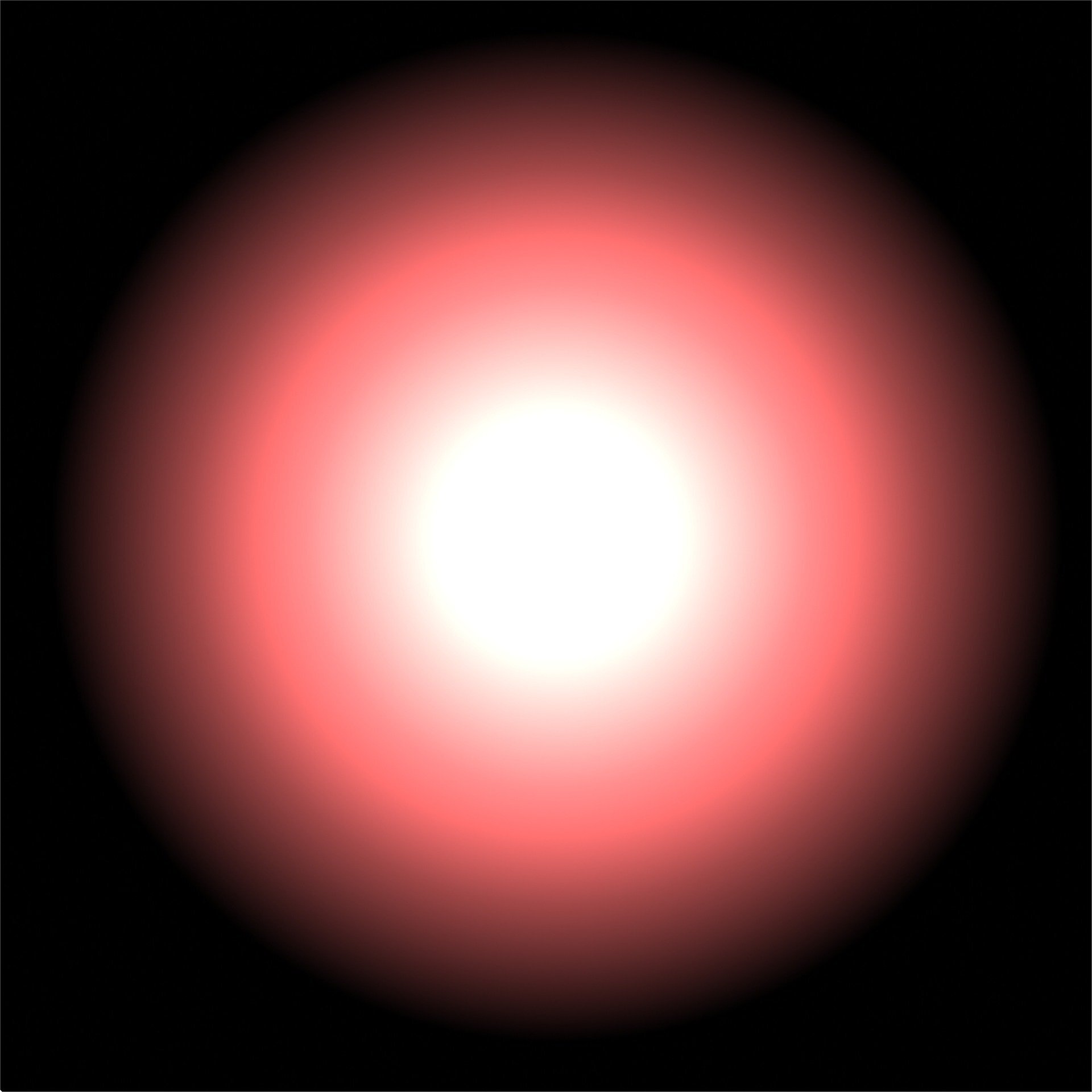
A Johns Hopkins Medicine-led team has developed a fluid biomarker that may one day detect two degenerative diseases, ALS and FTD, before symptoms appear. The biomarker locates a protein associated with the loss of function for the TDP-43 protein (seen as a molecular model in this image), an abnormality linked to people who develop ALS or FTD. Credit: Public domain image via Protopedia.org

Two progressively degenerative diseases, amyotrophic lateral sclerosis (ALS, commonly known as Lou Gehrig’s disease) and frontotemporal dementia (FTD, recently in the news with the diagnoses of actor Bruce Willis and talk show host Wendy Williams), are linked by more than the fact that they both damage nerve cells critical to normal functioning—the former affecting nerves in the brain and spinal cord ...

Read More

Two Artificial Intelligences Talk to Each Other

Two artificial intelligences talk to each other
Tasks and models. Credit: Nature Neuroscience (2024). DOI: 10.1038/s41593-024-01607-5

Performing a new task based solely on verbal or written instructions, and then describing it to others so that they can reproduce it, is a cornerstone of human communication that still resists artificial intelligence (AI).

A team from the University of Geneva (UNIGE) has succeeded in modeling an artificial neural network capable of this cognitive prowess. After learning and performing a series of basic tasks, this AI was able to provide a linguistic description of them to a “sister” AI, which in turn performed them. These promising results, especially for robotics, are published in Nature Neuroscience.

Performing a new task without prior training, on the sole basis of verbal or written instruc...

Read More

Largest-ever Map of Universe’s Active Supermassive Black Holes Released

Largest-ever map of universe's active supermassive black holes released
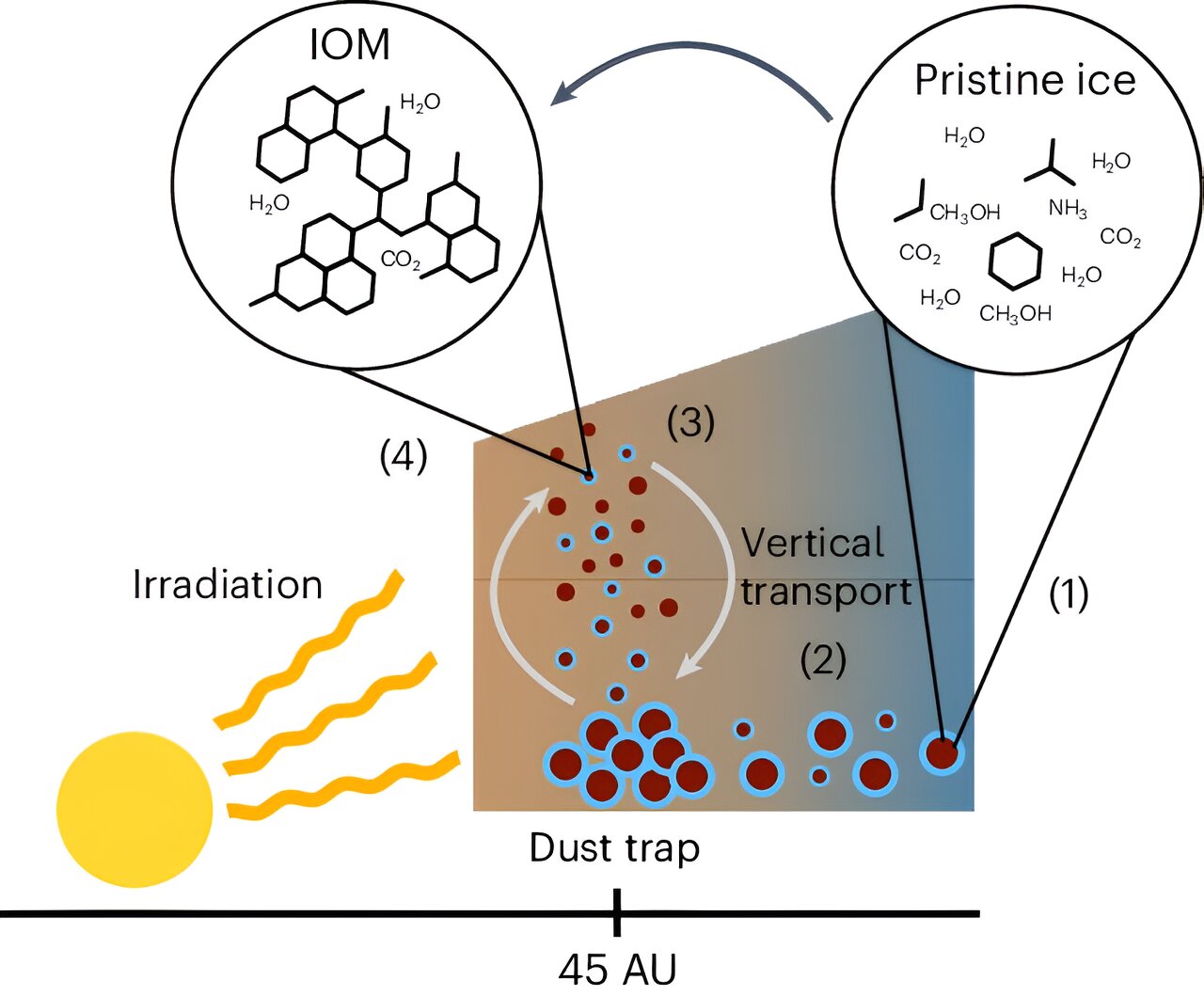
An infographic explaining the creation of a new map of around 1.3 million quasars from across the visible universe. Credit: ESA/Gaia/DPAC; Lucy Reading-Ikkanda/Simons Foundation; K. Storey-Fisher et al. 2024

Astronomers have charted the largest-ever volume of the universe with a new map of active supermassive black holes living at the centers of galaxies. Called quasars, the gas-gobbling black holes are, ironically, some of the universe’s brightest objects.

The new map logs the location of about 1.3 million quasars in space and time, the furthest of which shone bright when the universe was only 1.5 billion years old. (For comparison, the universe is now 13.7 billion years old.)

“This quasar catalog is different from all previous catalogs in that it gives us a three-dimensional ma...

Read More

Researchers Discover Key Metabolic Process Responsible for Rapid Immune Responses

T cell
Credit: Pixabay/CC0 Public Domain

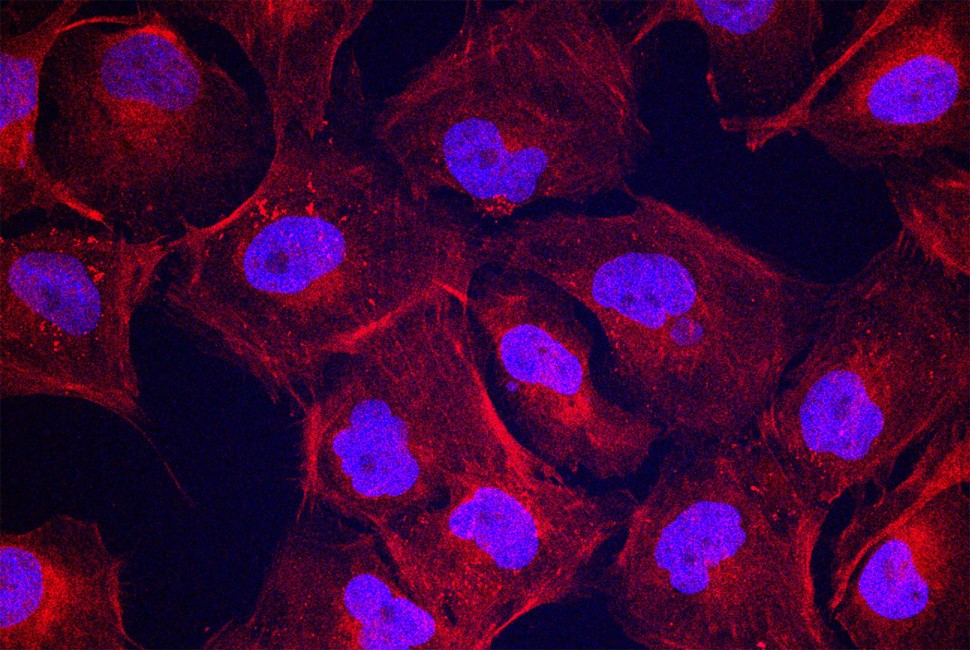
Researchers from Children’s Hospital of Philadelphia (CHOP) identified a key metabolite in cells that helps direct immune responses and explains at a single cell level why immune cells that most efficiently recognize pathogens, vaccines, or diseased cells grow and divide faster than other cells.

The findings also indicate that a better understanding of this metabolite and its role in immune response could improve the design of immunotherapies and create longer-lived responses against different types of cancer as well as enhance vaccine strategies. The findings were published online by the journal Science Immunology in a paper titled “Single-cell NAD(H) levels predict clonal lymphocyte expansion dynamics.”

Antigens are foreign substances that our ...

Read More