

Laser Tests reveal New Insights into Key Mineral for Super-Earths

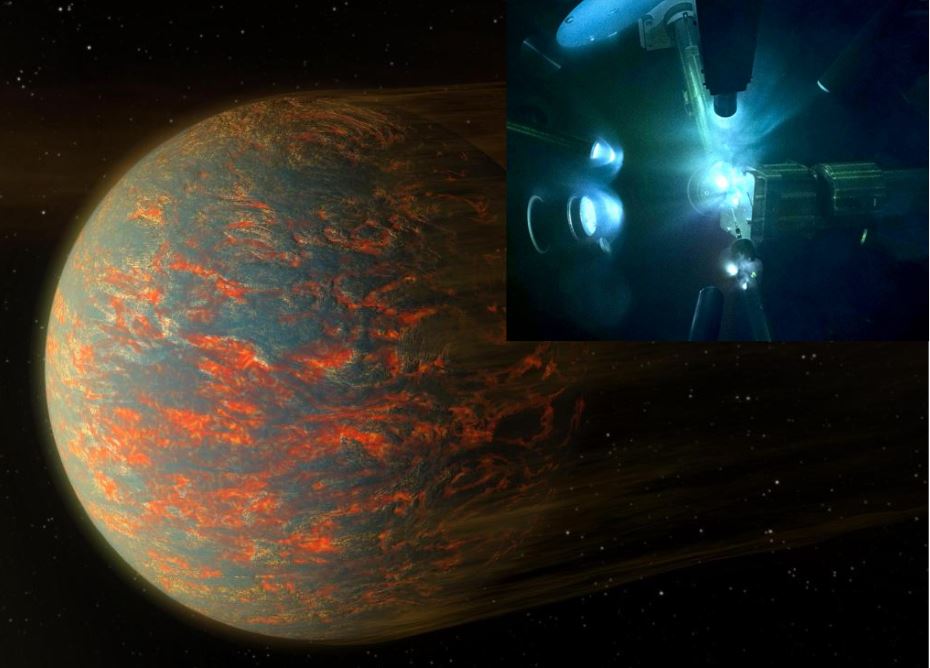
View of laser-driven experiments of shock-compressed magnesium oxide (MgO) within the chamber at the Laboratory for Laser Energetics. High-power laser beams are used to compress MgO samples to pressures beyond those found in the center of Earth. A secondary source of X-rays is used to probe MgO’s crystal structure. Brighter regions are glowing plasma emission over nanosecond timescales.
IMAGE CREDIT: JUNE WICKS/JOHNS HOPKINS UNIVERSITY

Scientists have for the first time observed how atoms in magnesium oxide morph and melt under ultra-harsh conditions, providing new insights into this key mineral within Earth’s mantle that is known to influence planet formation.

High-energy laser experiments — which subjected tiny crystals of the mineral to the type of heat and pressure found deep ...

Read More
Breakthrough in Next-Generation Memory Technology!

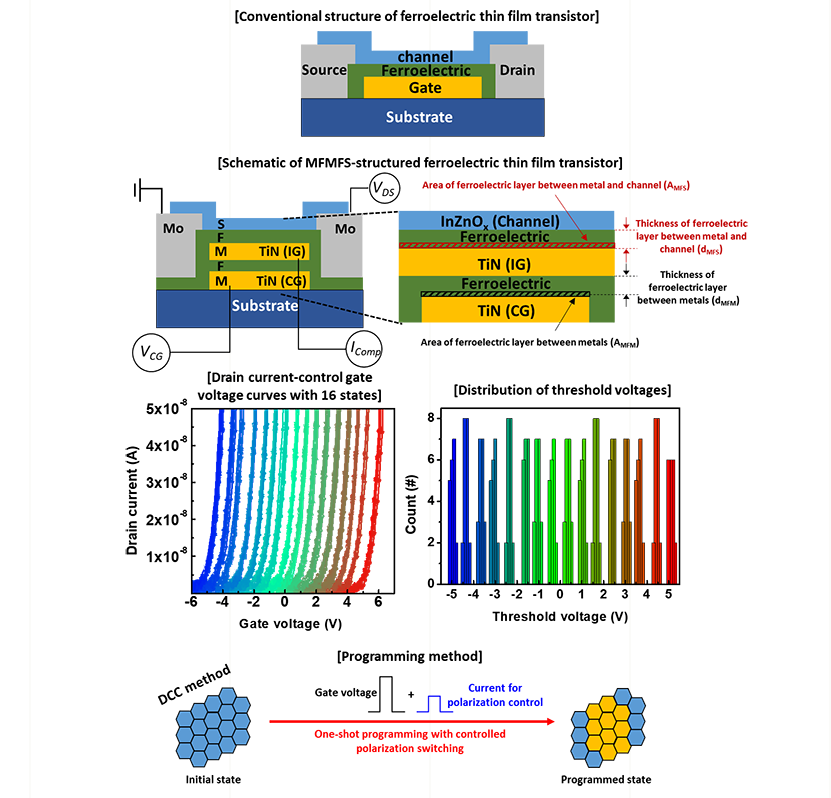
Schematic of the ferroelectric memory device, showing QLC behavior and the operation method.

A research team led by Professor Jang-Sik Lee from the Department of Materials Science and Engineering and the Department of Semiconductor Engineering at Pohang University of Science and Technology (POSTECH) has significantly enhanced the data storage capacity of ferroelectric memory devices. By utilizing hafnia-based ferroelectric materials and an innovative device structure, their findings, published on June 7 in the international journal Science Advances, mark a substantial advancement in memory technology.

With the exponential growth in data production and processing due to advancements in electronics and artificial intelligence (AI), the importance of data storage technologies has surge...

Read More

NASA’s Roman Mission Gets Cosmic ‘Sneak Peek’ From Supercomputers

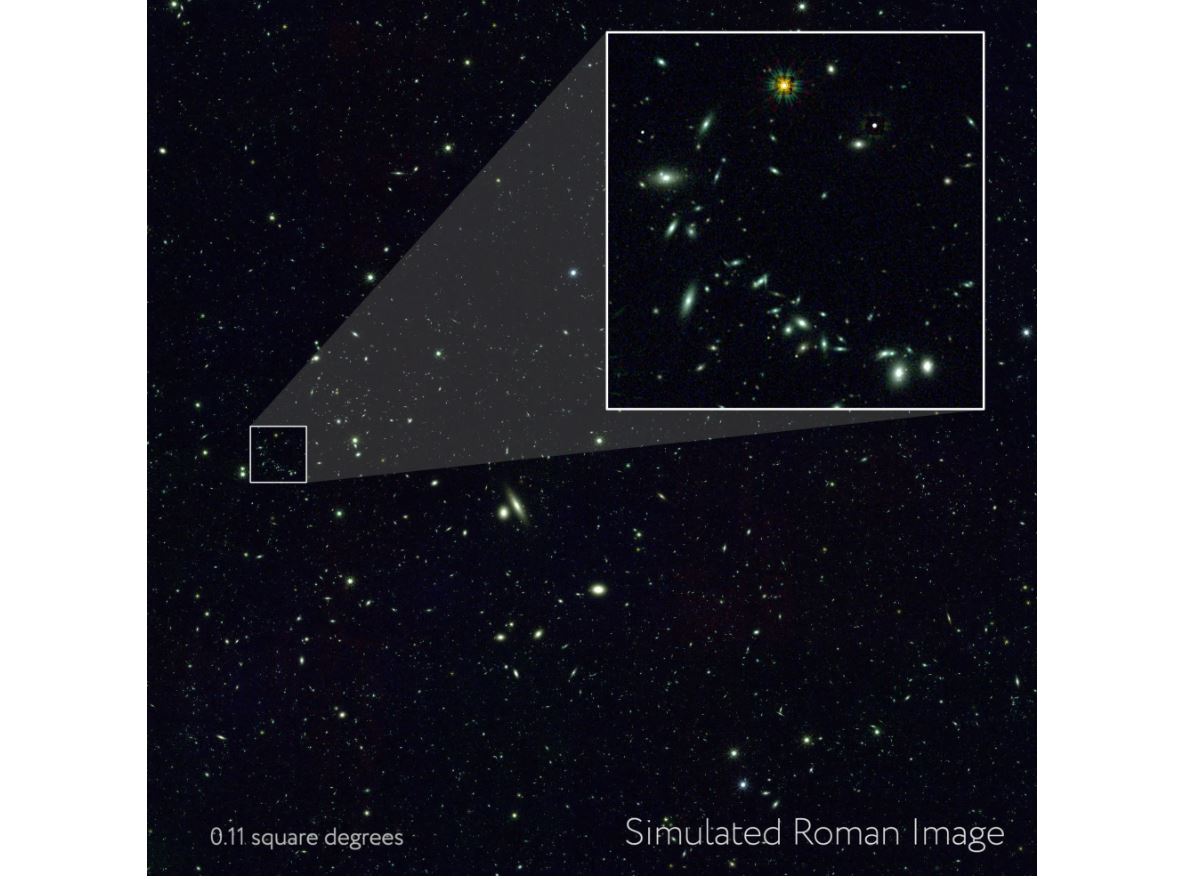
This graphic highlights part of a new simulation of what NASA’s Nancy Grace Roman Space Telescope could see when it launches by May 2027. The background spans about 0.11 square degrees (roughly equivalent to half of the area of sky covered by a full Moon), representing less than half the area Roman will see in a single snapshot. The inset zooms in to a region 300 times smaller, showcasing a swath of brilliant synthetic galaxies at Roman’s full resolution. Having such a realistic simulation helps scientists study the physics behind cosmic images –– both synthetic ones like these and future real ones. Researchers will use the observations for many types of science, including testing our understanding of the origin, evolution, and ultimate fate of the universe.
C. Hirata and K...
Read More

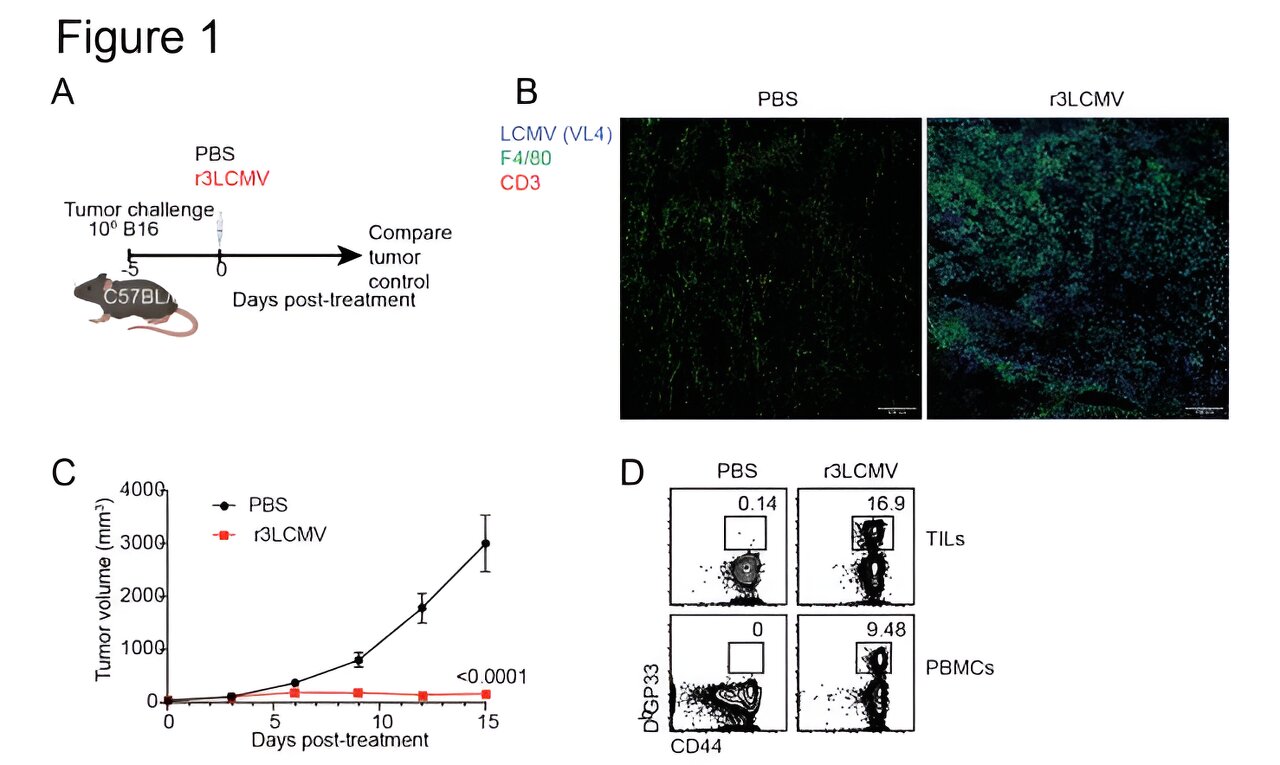
Safer Virus helps Eliminate Cancer in Mouse study

Safer virus helps eliminate cancer

Northwestern Medicine scientists have discovered that an attenuated (weakened) virus can help eliminate cancer in mice. In addition, mice that were treated with this virus were more resistant to developing tumors later in life.

The attenuated virus—lymphocytic choriomeningitis virus (LCMV)—works and is safe even in immunosuppressed mice. That’s a critical finding, as many cancer patients undergoing chemotherapy and other cancer treatments have suppressed immune systems.

“An important aspect about this viral-based therapy is that it demonstrates safety and efficacy even in an immunosuppressed host,” said corresponding author Pablo Penaloza-MacMaster, an assistant professor of microbiology-immunology at Northwestern University Feinberg School of Medicine...

Read More