SARS-CoV-2 can Infect Dopamine Neurons causing Senescence

SARS-CoV-2 can infect dopamine neurons causing senescence
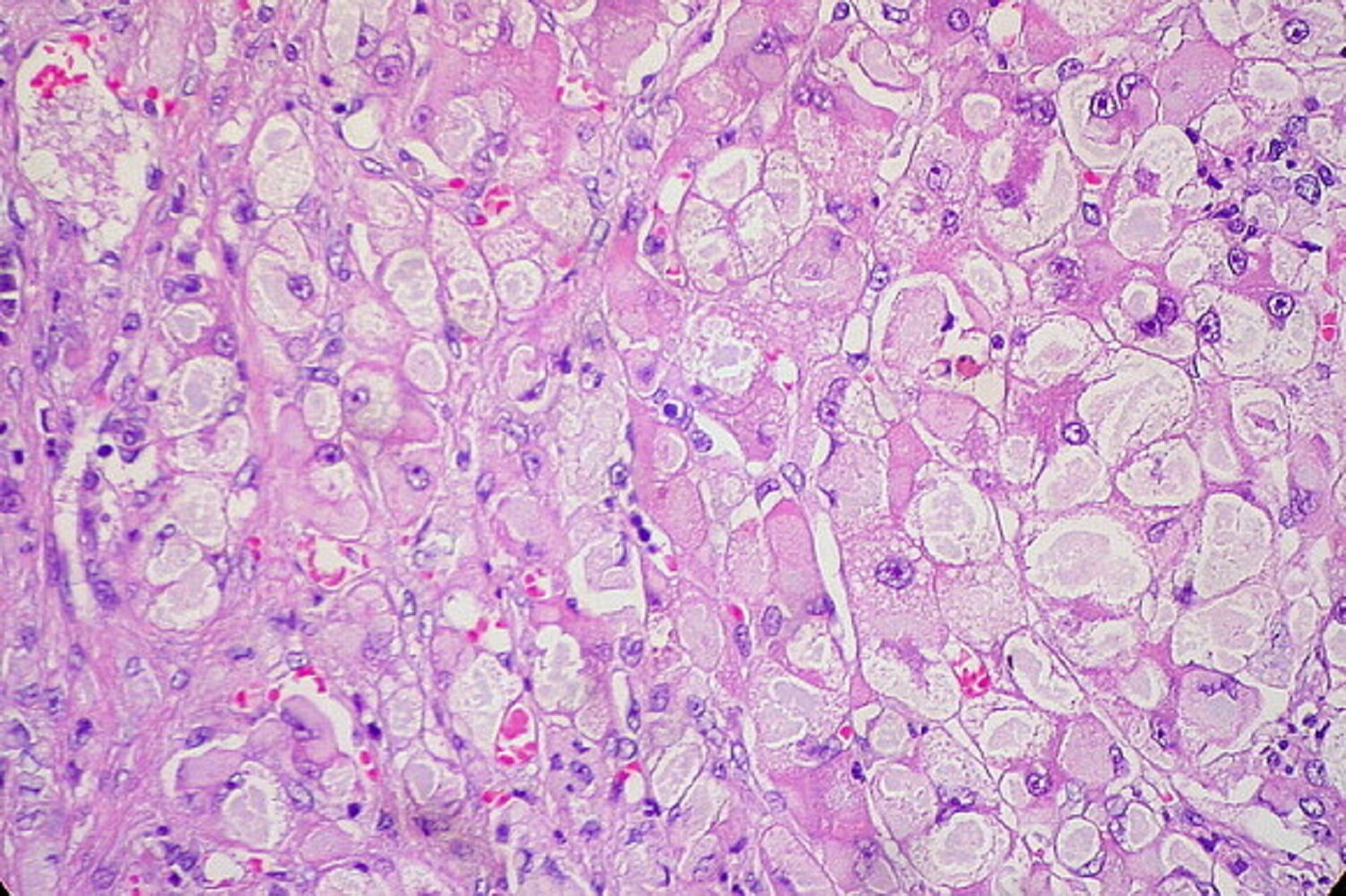
Stained tissue from the midbrain of a COVID-19 patient shows DNA in the cells’ nuceli (blue), dopamine neurons (green) and phosphor-alpha-synuclein (red). Credit: Liuliu Yang

A new study reported that SARS-CoV-2, the virus that causes COVID, can infect dopamine neurons in the brain and trigger senescence—when a cell loses the ability to grow and divide. The researchers from Weill Cornell Medicine, Memorial Sloan Kettering Cancer Center, and Columbia University Vagelos College of Physicians and Surgeons suggest that further research on this finding may shed light on the neurological symptoms associated with long COVID, such as brain fog, lethargy, and depression.

The findings, published in Cell Stem Cell on Jan...

Read More

Scientists Build Mass-Producible Miniature Quantum Memory Element

Researchers at the University of Basel have built a quantum memory element based on atoms in a tiny glass cell. In the future, such quantum memories could be mass-produced on a wafer.

It is hard to imagine our lives without networks such as the internet or mobile phone networks. In the future, similar networks are planned for quantum technologies that will enable the tap-proof transmission of messages using quantum cryptography and make it possible to connect quantum computers to each other.

Like their conventional counterparts, such quantum networks require memory elements in which information can be temporarily stored and routed as needed...

Read More

Webb data suggest many Early Galaxies were Long and Thin, not Disk-like or Spherical

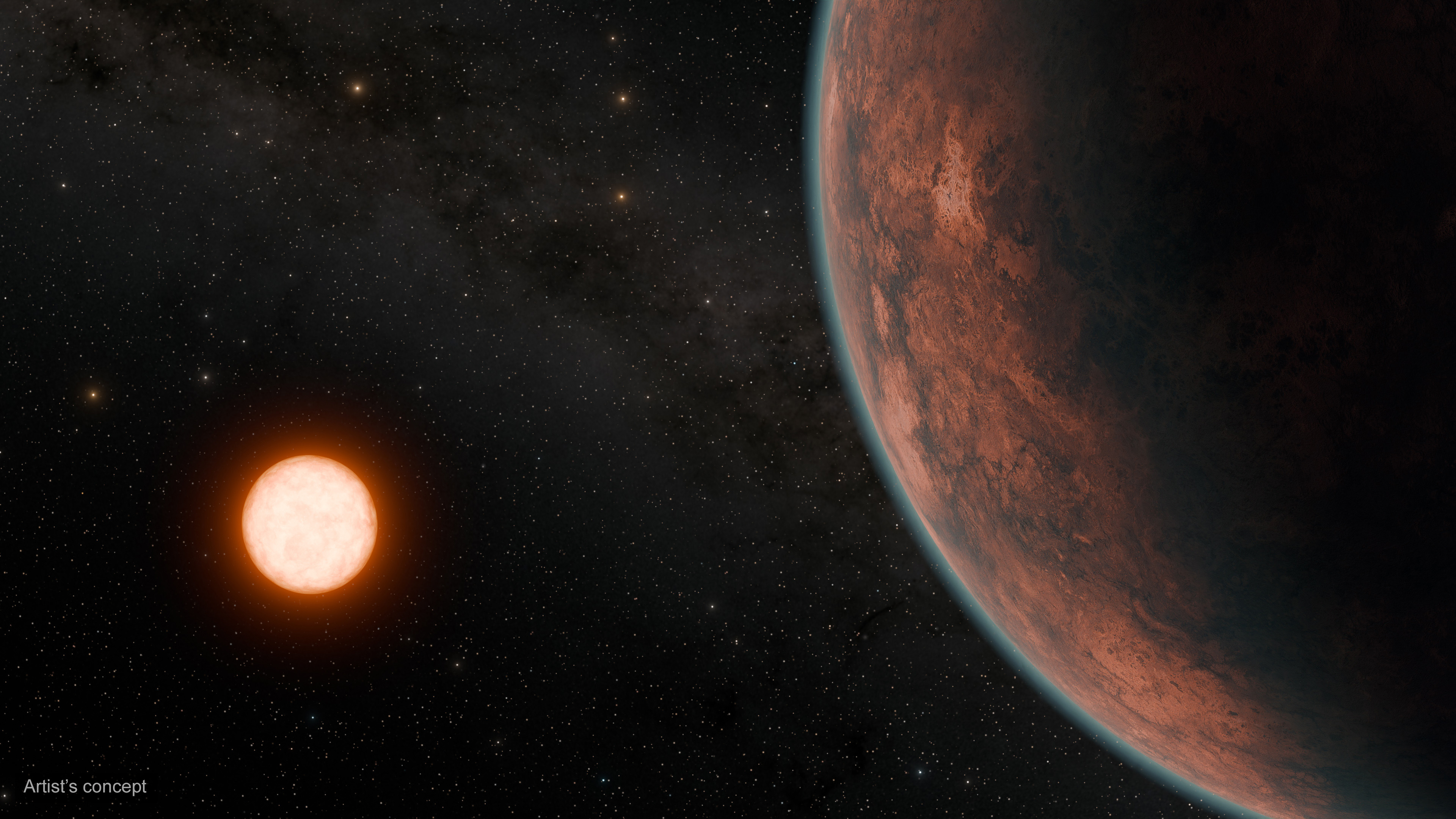
Sample shapes of distant galaxies identified by the James Webb Space Telescope’s Cosmic Evolution Early Release Science (CEERS) survey.
Sample shapes of distant galaxies identified by the James Webb Space Telescope’s Cosmic Evolution Early Release Science (CEERS) survey. [(Credit: NASA, ESA, CSA, STScI, Steve Finkelstein (UT Austin), Micaela Bagley (UT Austin), Rebecca Larson (UT Austin)]

Columbia researchers analyzing images from NASA’s James Webb Space Telescope have found that galaxies in the early universe are often flat and elongated, like breadsticks—and are rarely round, like balls of pizza dough.

“Roughly 50 to 80% of the galaxies we studied appear to be flattened in two dimensions,” explained Viraj Pandya, a NASA Hubble Fellow at Columbia University and the lead author of a new paper slated to appear in The Astrophysical Journal that outlines the findings...

Read More

Research demonstrates that Killer T cells can support Tissue Regeneration

Killer T cells support tissue regeneration
Wound healing and target killing are both effector mechanisms of CD8 T cells. (A) Combined proliferation and killing assay in the presence of influenza-specific CD8 T cells and varying amounts of pulsed peptides on MRC-5 and HaCaT cells seeded in a 30:70 ratio. Left, representative image with labels (0 versus 5 h; T cells only versus T cells + 100 ng/ml peptide). Right, representative quantification of Cas3/7 activity (green) and HaCaT proliferation (red) with titrated amounts of influenza peptide, with statistical verification across experiments using normalized area under the curve (AUC, n = 3, one-way ANOVA, symbols indicate individual experiments). Scale bars = 400 µm; enhanced for improved visibility...
Read More