To raise new questions, new possibilities, to regard old problems from a new angle, requires creative imagination and marks real advance in science.
~Albert Einstein
Read More
Old Newtonian physics claimed that things have an objective reality separate from our perception of them. Quantum physics, and particularly Heisenberg's Uncertainty Principle, reveal that, as our perception of an object changes, the object itself literally changes.
~Marianne Williamson
Read More
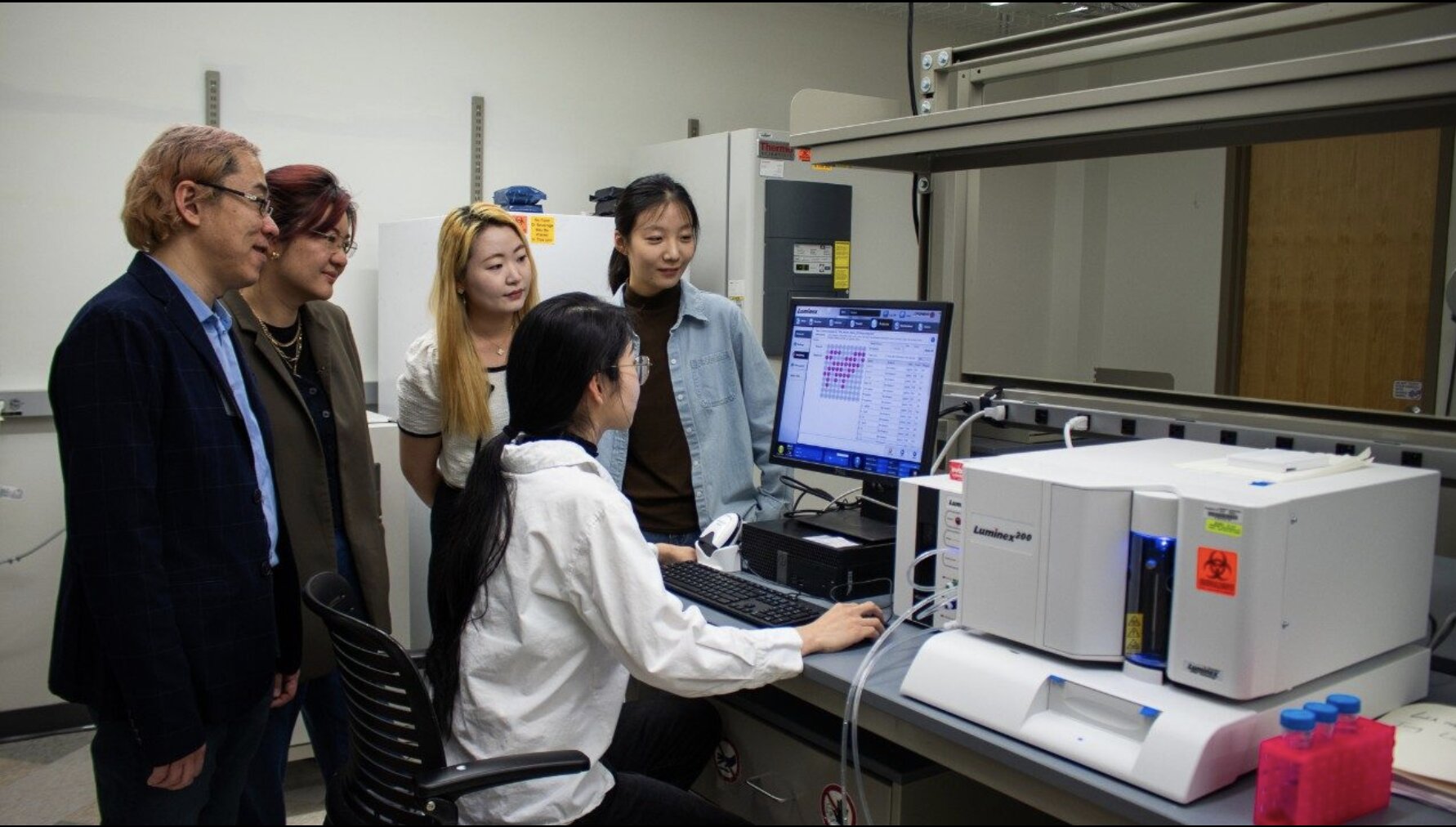
(Standing, from left) Rong Tong, associate professor in chemical engineering; Wenjun “Rebecca” Cai, associate professor in materials science and engineering; Eungyo Jang; and Ziyu Huo gather around Liqian Niu (seated), who is working with a Luminex 200 machine used to analyze tumor cytokine levels. Credit: Hailey Wade for Virginia Tech.
Last year alone, more than 600,000 people in the United States died from cancer, according to the American Cancer Society. The relentless pursuit of understanding this complex disease has shaped medical progress in developing treatment procedures that are less invasive while still highly effective.
Immunotherapy is on the rise as a possible solution...
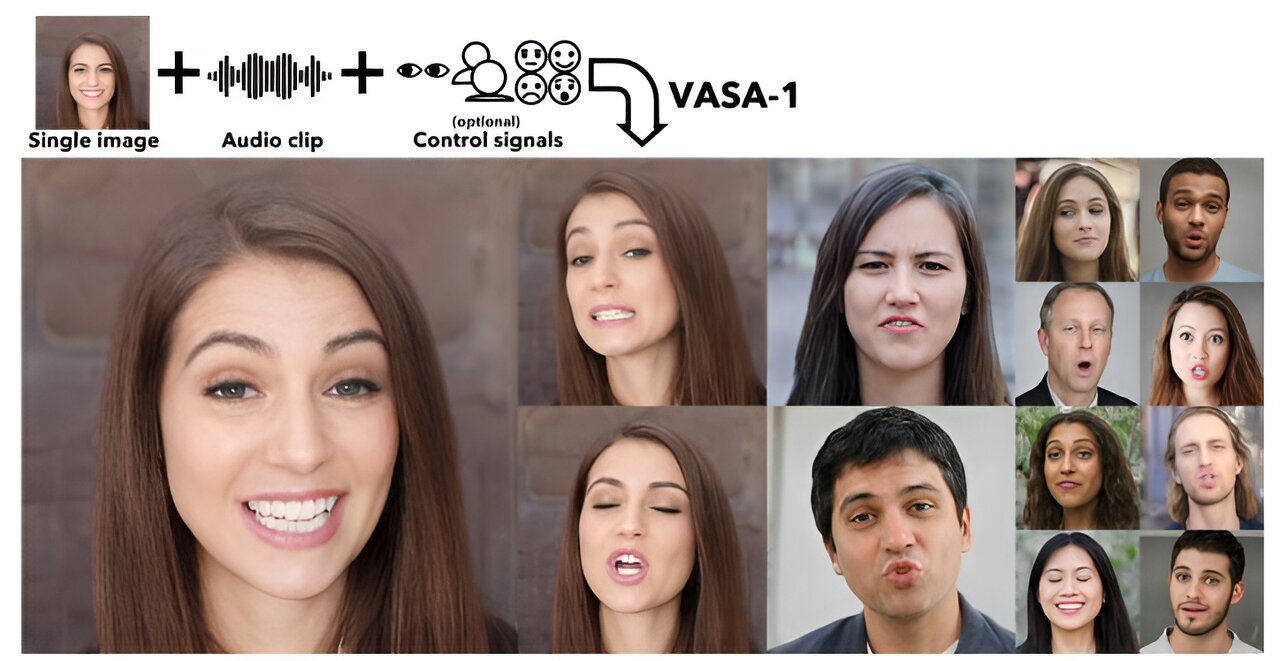
Given a single portrait image, a speech audio clip, and optionally a set of other control signals, our approach produces a high-quality lifelike talking face video of 512× 512 resolution at up to 40 FPS. The method is generic and robust, and the generated talking faces can faithfully mimic human facial expressions and head movements, reaching a high level of realism and liveliness. (All the photorealistic portrait images in this paper are virtual, non-existing identities.). Credit: arXiv (2024). DOI: 10.48550/arxiv.2404.10667
A team of AI researchers at Microsoft Research Asia has developed an AI application that converts a still image of a person and an audio track into an animation that accurately portrays the individual speaking or singing the audio track with appropriate facial ...
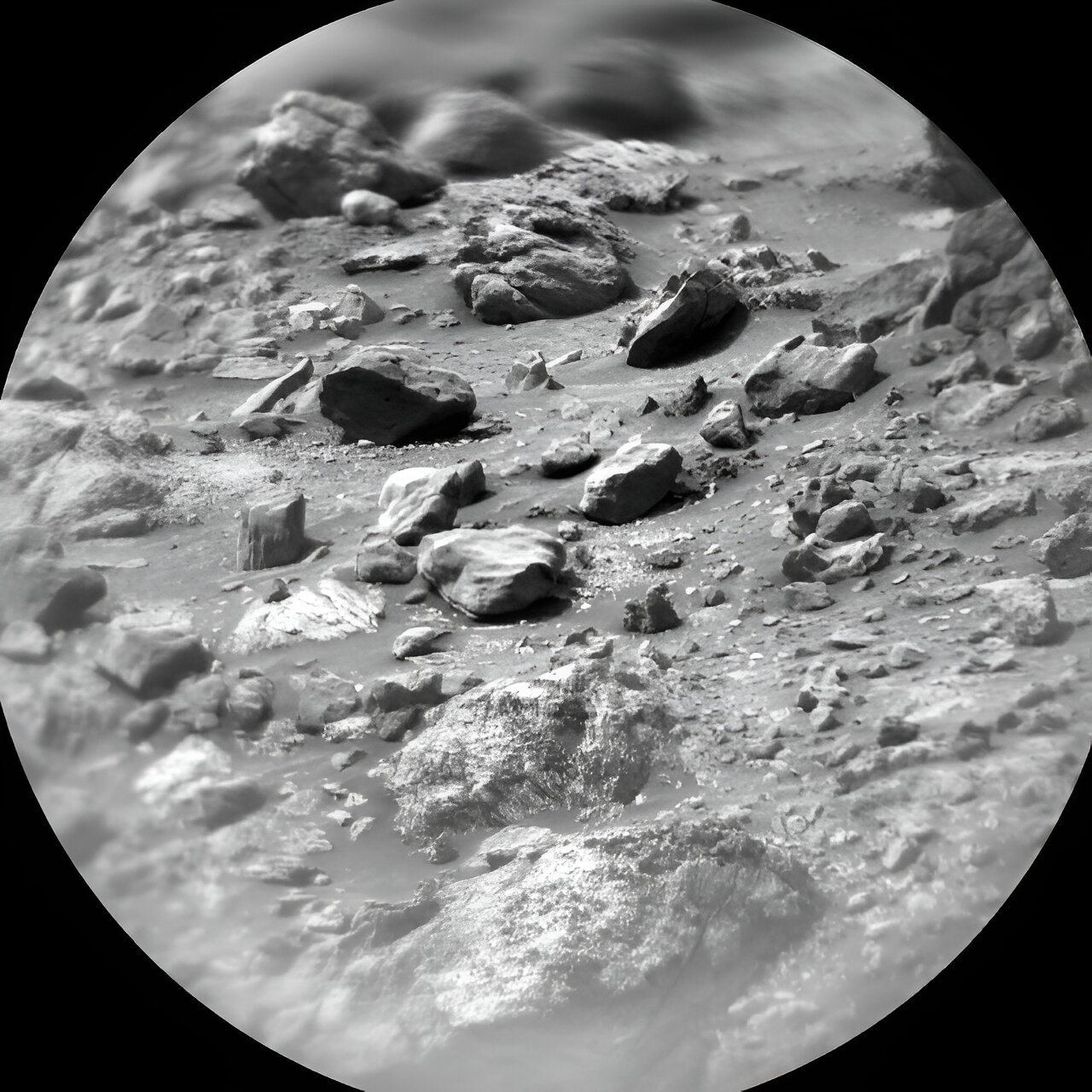
This image was taken by Chemistry & Camera (ChemCam) onboard NASA’s Mars rover Curiosity on Sol 4158 (2024-04-17 07:52:27 UTC). Credit: NASA/JPL-Caltech/LANL
Curiosity continues to make progress along the margin of upper Gediz Vallis ridge, investigating the broken bedrock in our workspace and acquiring images of the ridge deposit as the rover drives south.
Today’s 2-sol plan focused on a DRT, contact science, and drive on the first sol, followed by untargeted remote sensing on the second sol. The team had to make some decisions at the start of planning about whether to drive on the first or second sol of this plan, and how that would affect the upcoming weekend activities.
As it turned out, the team was able to fit all of the desired contact science and remote sensing activities...
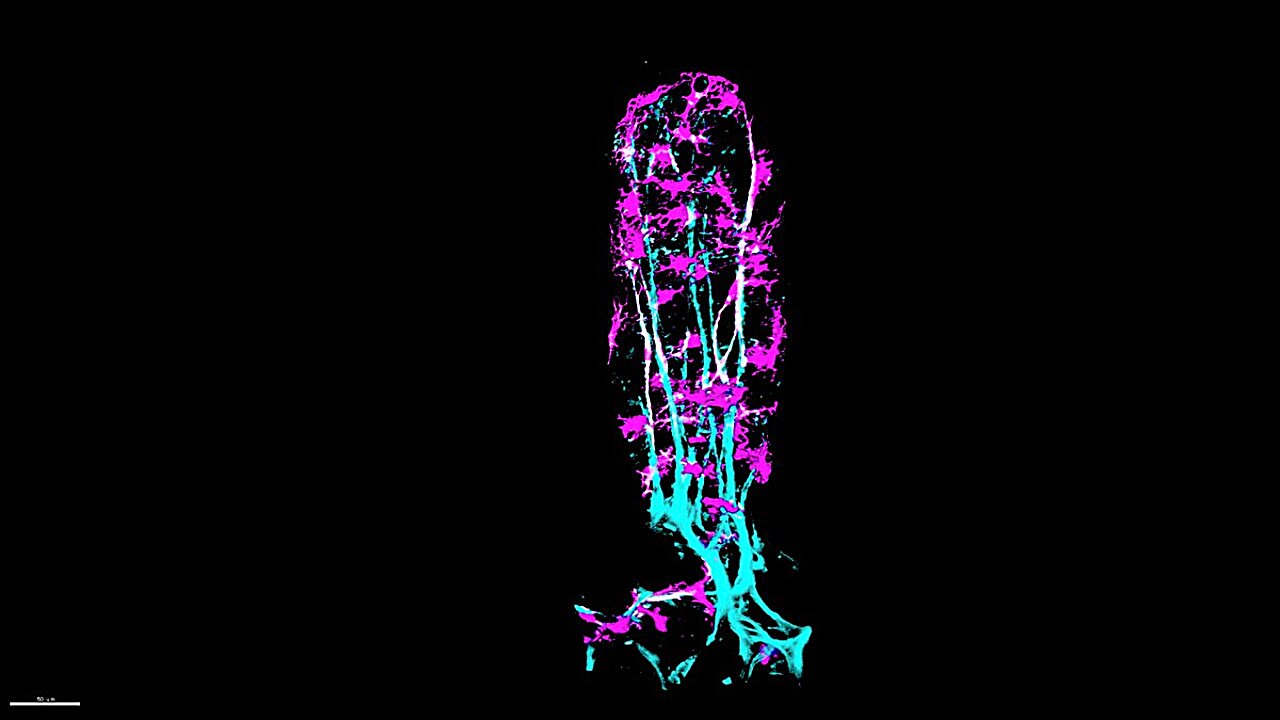
Intestinal villus with myofibroblast progenitor cells (magenta) differentiate into smooth muscle fibers (cyan) that support dietary fat absorption. Credit: Kurpios Lab/Provided
By discovering how a type of smooth muscle—which is essential for mechanical aspects of absorbing fats from food—forms in the gut, Cornell scientists have opened doors to making Artificial Muscle, Repairing muscle following gut surgeries, and treating inflammatory bowel disease and obesity.
The findings, published in a study in Developmental Cell, reveal that intestinal smooth muscle originates in embryos and forms by the same process that is a hallmark of creating scar tissue when a wound heals.
The smooth muscle sits inside tiny finger-like projections called villi, which absorb fats—also known as li...











Recent Comments