








Researchers Demonstrate 3D Nanoscale Optical Disk Memory with Petabit Capacity
March 4, 2024,
 Physics, Technology/Electronics
High-capacity data storage is indispensable in today's digital economy. However, major storage devices like hard disk drives and semiconductor flash devices face limitations in terms of cost-effectiveness, durability, and longevity.Read More
New Insights on How Galaxies are Formed
March 4, 2024,
Astronomy/Space

New insights on how galaxies are formed
Astronomers can use supercomputers to simulate the formation of galaxies from the Big Bang 13.8 billion years ago to the present day. But there are a number of sources of error. An international research team, led by researchers in Lund, has spent a hundred million computer hours over eight years trying to correct these.
The last decade has seen major advances in computer simulations that can realistically calculate how galaxies form...
Read MoreStudy Identifies Multi-Organ Response to Seven Days Without Food
March 4, 2024,
Health/Medical, Biology/Biotechnology
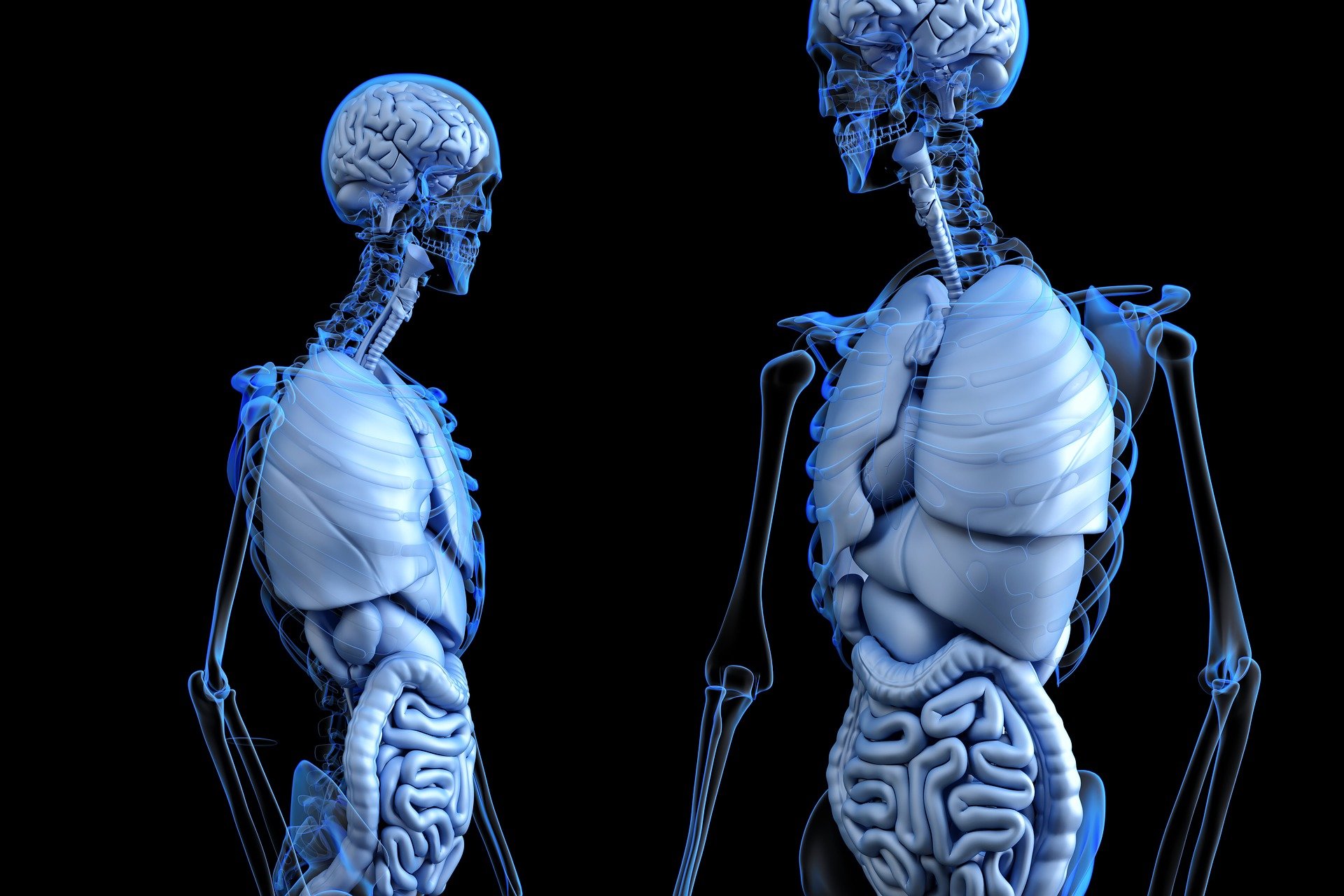
Study identifies multi-organ response to seven days without food. New findings reveal that the body undergoes significant, systematic changes across multiple organs during prolonged periods of fasting. The results demonstrate evidence of health benefits beyond weight loss, but also show that any potentially health-altering changes appear to occur only after three days without food.
The study, published in Nature Metabolism, advances our understanding of what’s happening across the body after prolonged periods without food.
By identifying the potential health benefits from fasting and their underlying molecular basis, researchers from Queen Mary University of London’s Precision Healthcare University Research Institute (PHURI) and the Norwegian School of S...
Read MoreNew Maser in a ‘Shoebox’ Promises Portable Precision
March 4, 2024,
Physics
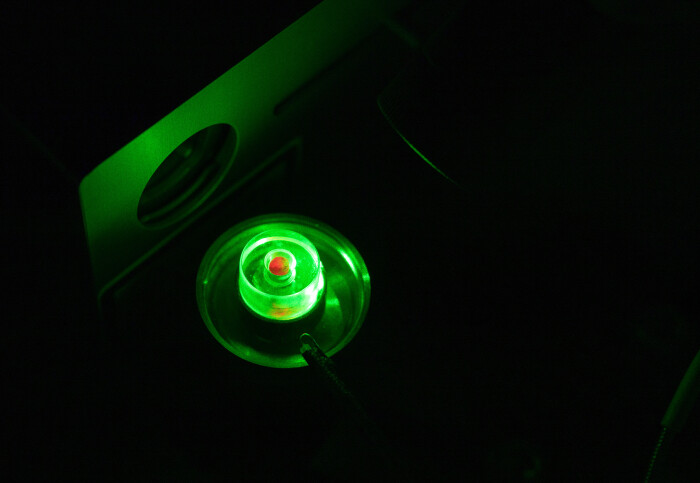
Researchers in Imperial College London’s Department of Materials have developed a new portable maser that can fit the size of a shoebox.
Imperial College London pioneered the discovery of room-temperature solid-state masers in 2012, highlighting their ability to amplify extremely faint electrical signals and demonstrate high-frequency stability. This was a significant discovery because microwave signals can pass through the Earth’s atmosphere more easily than other wavelengths of light. Additionally, microwaves have the capability to penetrate through the human body, a feat not achievable by lasers.
Masers have extensive applications in telecommunications systems—everything from mobile phone networks to satellite navigation systems...
Read More
Recent Comments