Astronomers watched a Massive Star Disappear. JWST might have some answers

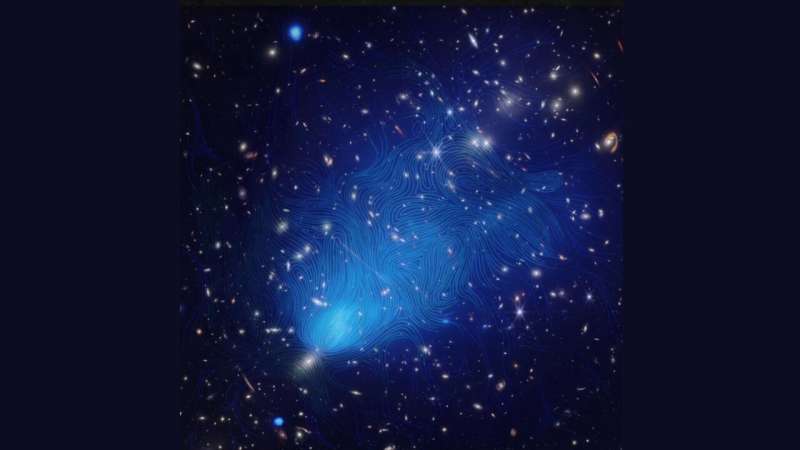
Illustration of how a failed supernova can become a black hole. Credit: NASA/ESA/P. Jeffries (STScI)

In 2009 a giant star 25 times more massive than the sun simply vanished. OK, it wasn’t quite that simple. It underwent a period of brightening, increasing in luminosity to a million suns, just as if it was ready to explode into a supernova. But then it faded rather than exploding. And when astronomers tried to see the star using the Large Binocular Telescope (LBT), Hubble and the Spitzer space telescope, they couldn’t see anything.

The star, known as N6946-BH1, is now considered a failed supernova. The BH1 in its name is due to the fact that astronomers think the star collapsed to become a black hole rather than triggering a supernova. But that has been conjecture...

Read More

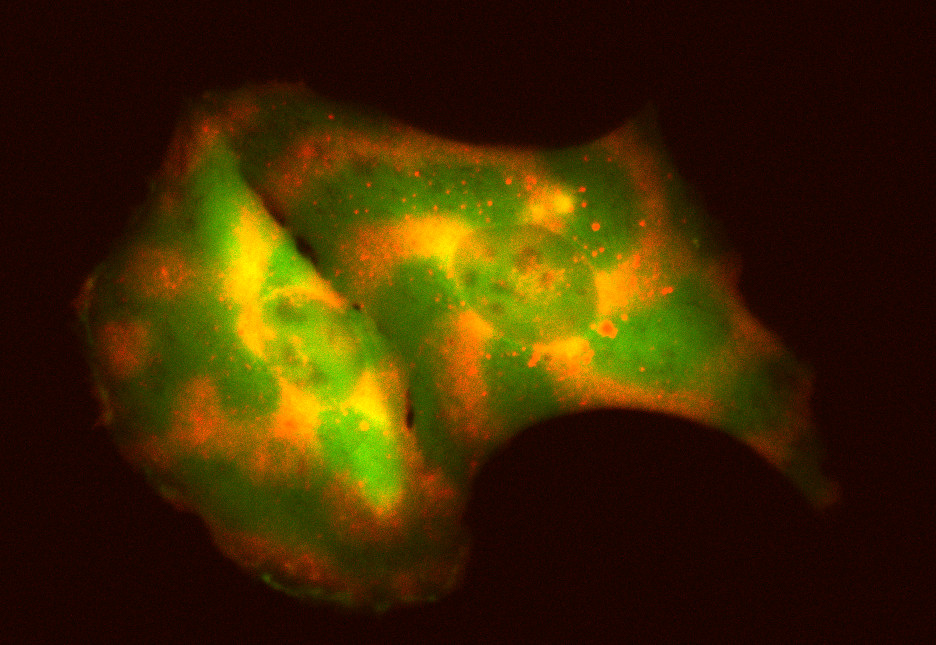
New Wound Healing Research Produces Full Thickness Human Bioprinted Skin

Wound healing
WFIRM researchers use cells and hydrogels as bioinks to 3D print human skin.
CREDIT
Wake Forest Institute for Regenerative Medicine

A research paper published today in Science Translational Medicine presents a significant breakthrough in the area of skin regeneration and wound healing by researchers at the Wake Forest Institute for Regenerative Medicine (WFIRM). The study, titled “Bioprinted Skin with Multiple Cell Types Promotes Skin Regeneration, Vascularization, and Epidermal Rete Ridge Formation in Full-Thickness Wounds,” shows the successful development of bioprinted skin that accelerate wound healing, support healthy extracellular matrix remodeling, and provide optimism for complete wound recovery. Anthony Atala, M.D., director of WFIRM and Adam Jorgensen, M.D., Ph.D...

Read More

Large Mound Structures on Kuiper Belt Object Arrokoth may have Common Origin

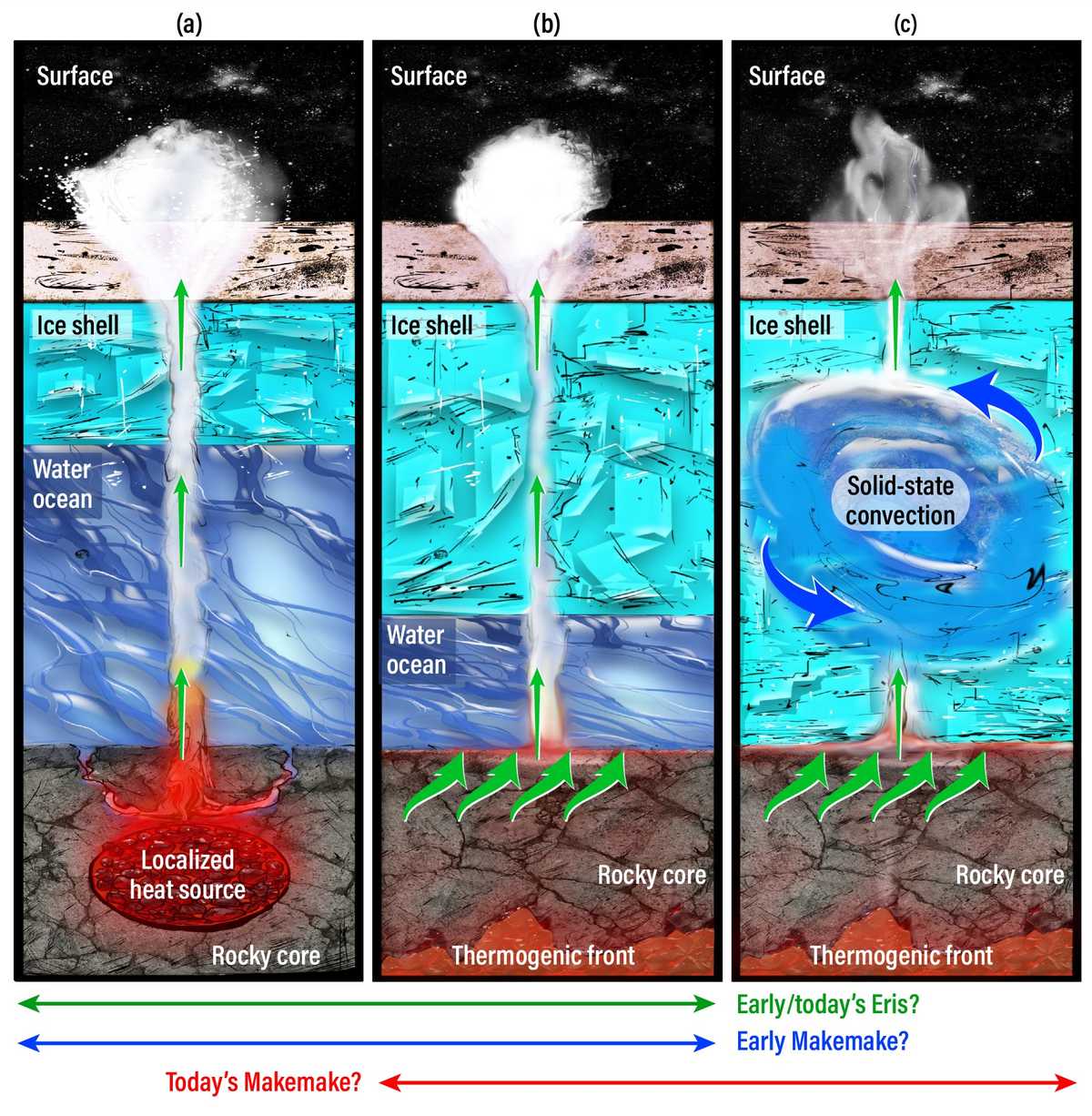
Courtesy of SwRI The large mound structures that dominate one of the lobes of the Kuiper belt object Arrokoth are similar enough to suggest a common origin, according to a new study led by Southwest Research Institute (SwRI) Planetary Scientist and Associate Vice President Dr. Alan Stern.

These ‘Building blocks’ of this Kuiper belt object may point to key details of streaming instability model of planetesimal formation. A new study led by Southwest Research Institute (SwRI) Planetary Scientist and Associate Vice President Dr. Alan Stern posits that the large, approximately 5-kilometer-long mounds that dominate the appearance of the larger lobe of the pristine Kuiper Belt object Arrokoth are similar enough to suggest a common origin...

Read More

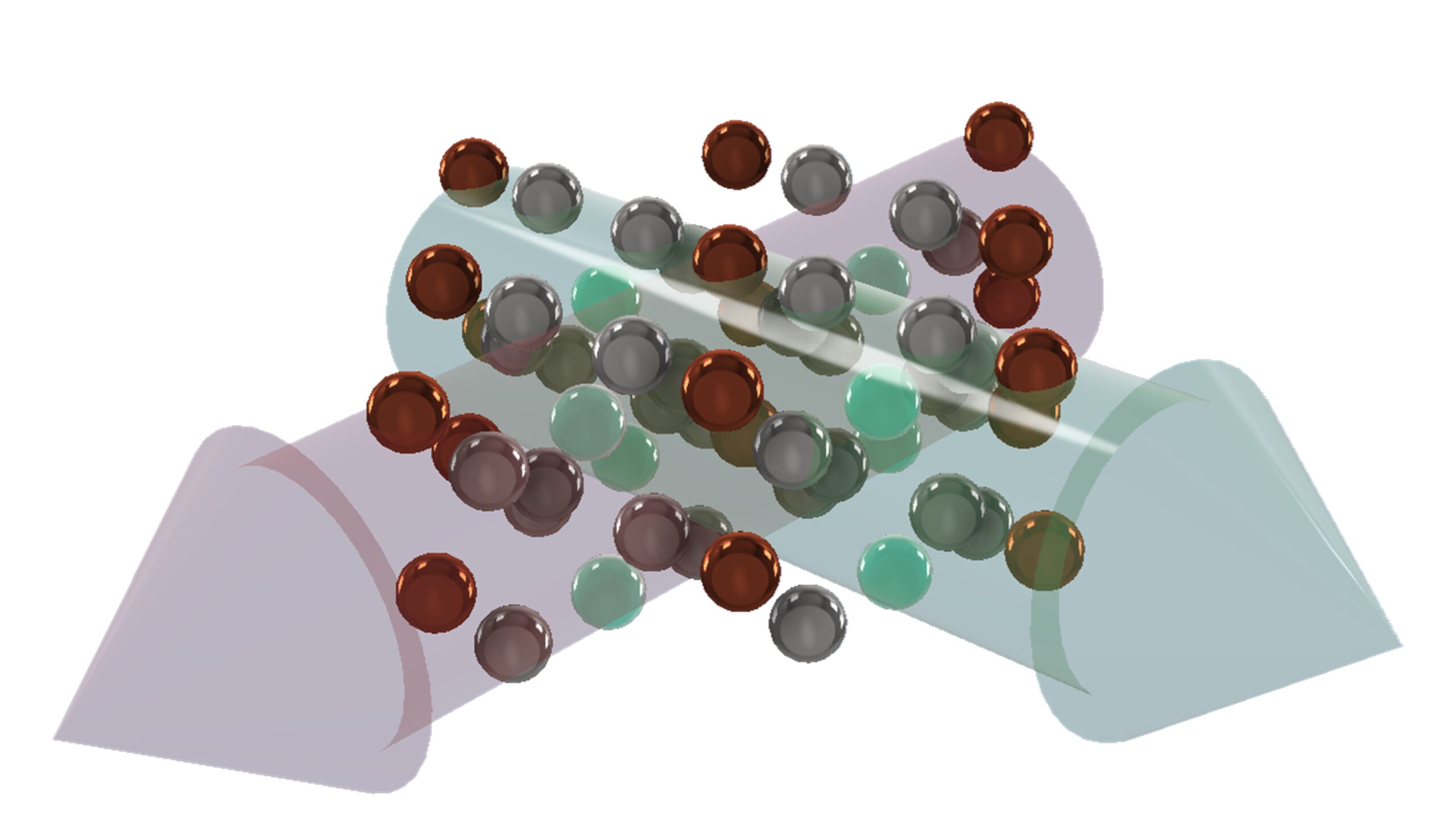
Allergy Study on ‘Dirty’ Mice Challenges the Hygiene Hypothesis

mice
Credit: CC0 Public Domain

The notion that some level of microbial exposure might reduce our risk of developing allergies has arisen over the last few decades and has been termed the hygiene hypothesis.

Now, an article published in Science Immunology by researchers from Karolinska Institutet challenges this hypothesis by showing that mice with high infectious exposures from birth have the same, if not an even greater ability to develop allergic immune responses than “clean” laboratory mice.

How microbes may prevent allergy has been a topic of great interest in recent times. Studies have suggested that certain infections might reduce the production of inflammatory antibodies to allergens and alter the behavior of T cells involved in allergies...

Read More