Researchers explain Plant’s Medicinal Power against COVID and Glioblastoma

UTSA researchers explain plant’s medicinal power against COVID and glioblastoma

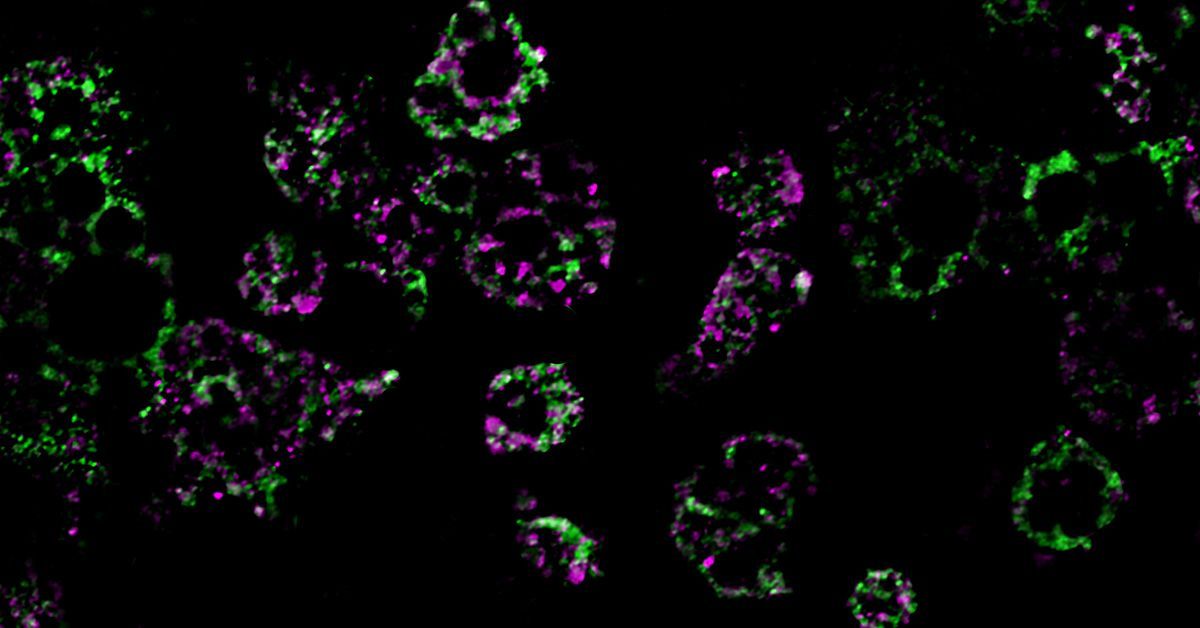
Vibrant green leaves sprout from tall fragrant plants sitting neatly in two rows of terracotta pots in Valerie Sponsel’s UTSA biology laboratory. One floor just above her is the chemistry lab of Francis Yoshimoto, who is extracting the plant’s leaves for medicinal compounds. Soon, the researchers will meet with UTSA researcher Annie Lin, who will test the extracted compounds on cancer cells.

The plant is Artemisia annua, or Sweet Annie, and it contains medicinal compounds. UTSA researchers are studying the plant to understand the bioactive properties of one of these compounds, Arteannuin B, in cancer cells and COVID, the disease caused by the virus, SARS-CoV-2.

“Around 50% of prescription drugs are derived from natural products. They’re made by plants, fungi or bacteria...

Read More

Researchers make a significant step towards reliably Processing Quantum Information

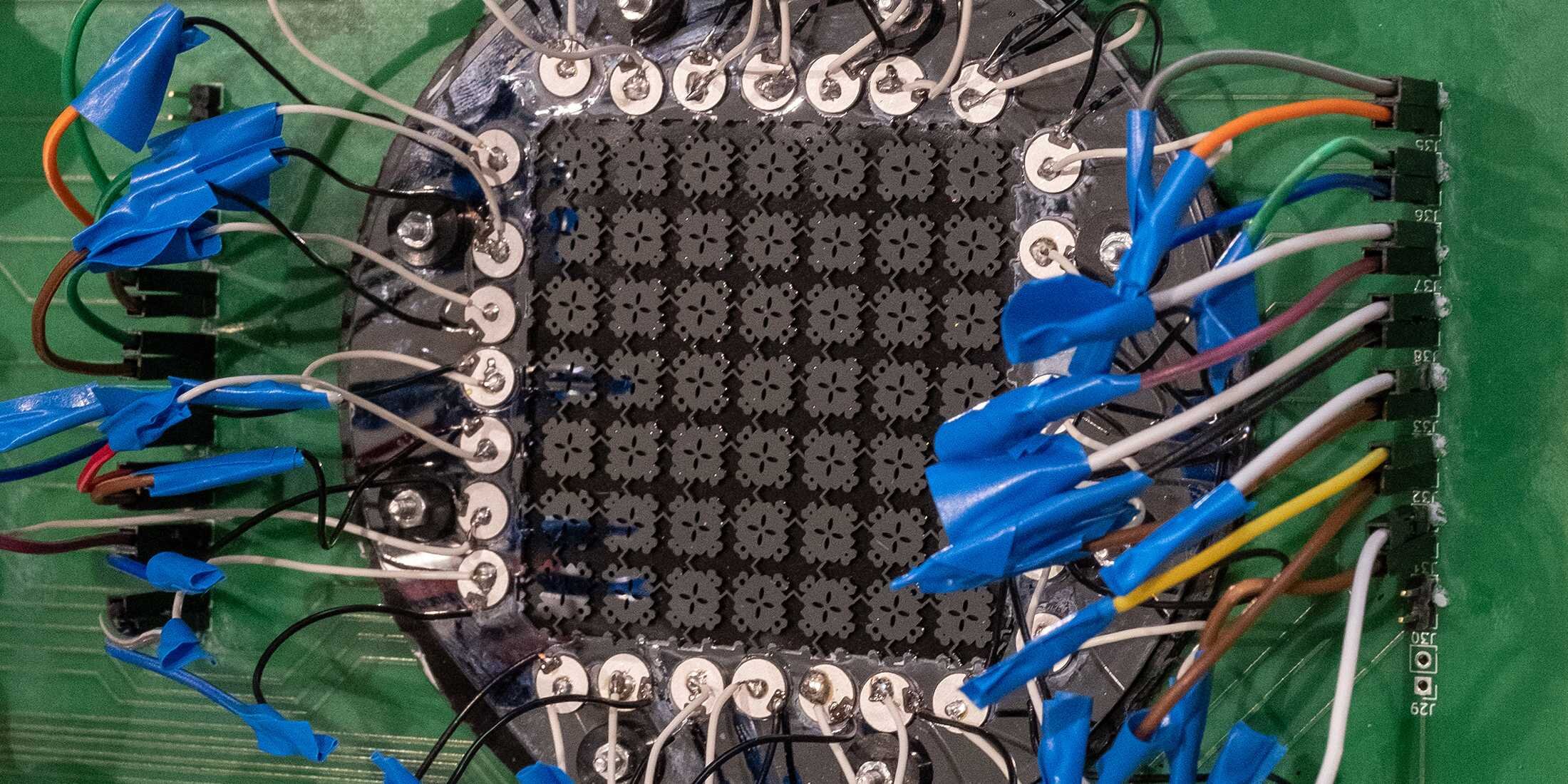
Green laser light is the correct energy to manipulate the energy states of barium ions.

New optical system designed to target and control individual atoms. Using laser light, researchers have developed the most robust method currently known to control individual qubits made of the chemical element barium. The ability to reliably control a qubit is an important achievement for realizing future functional quantum computers.

This new method, developed at the University of Waterloo’s Institute for Quantum Computing (IQC), uses a small glass waveguide to separate laser beams and focus them four microns apart, about four-hundredths of the width of a single human hair. The precision and extent to which each focused laser beam on its target qubit can be controlled in parallel is unmatched by previous research.

“Our design limits the amount of crosstalk-the amount of light ...

Read More

New Insights into Neutrino Interactions

A total solar eclipse, with the solar corona visible. (ipicgr/Pixabay)

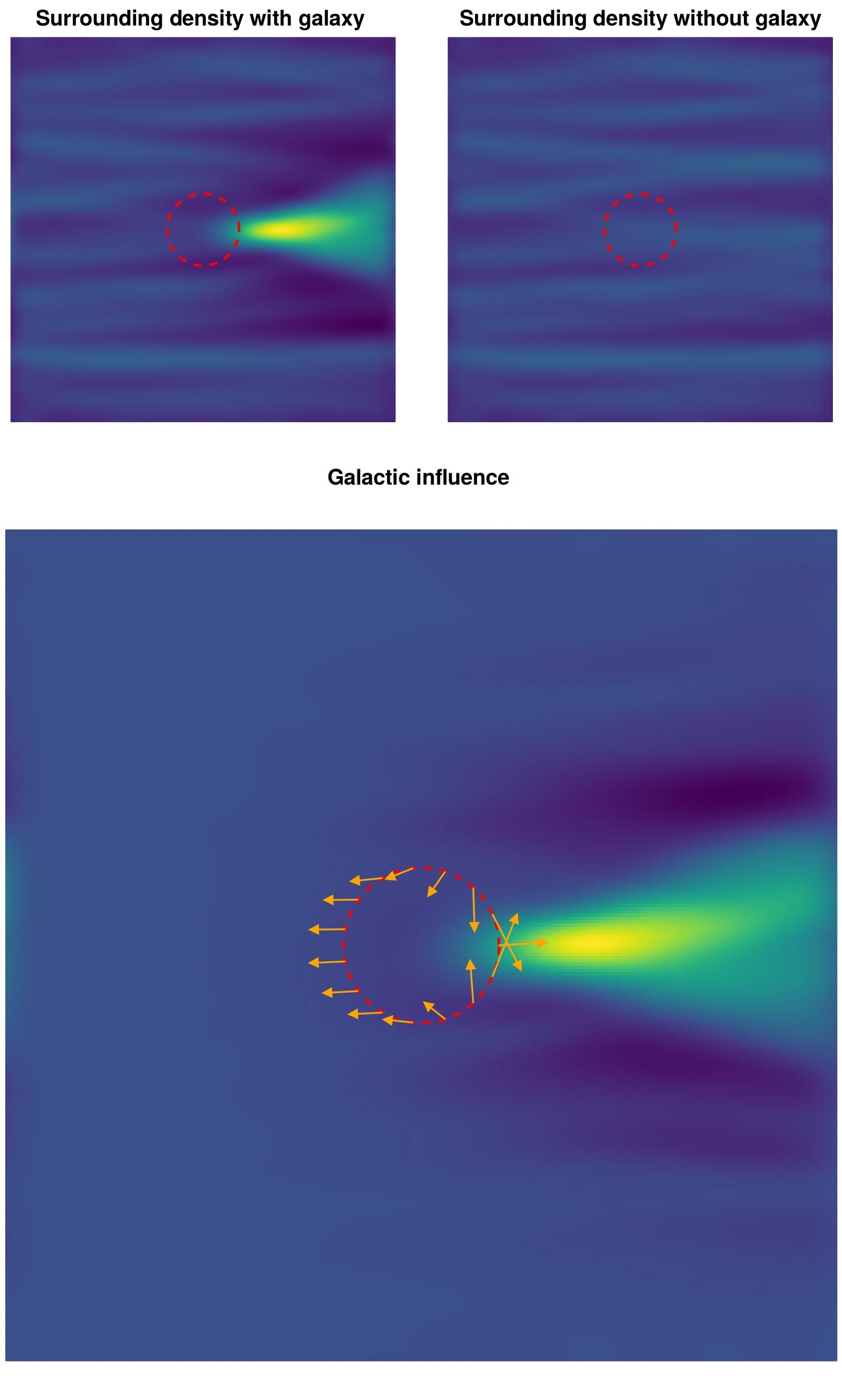
Research at Hokkaido University has revealed that elusive particles called neutrinos can interact with photons, the fundamental particles of light and other electromagnetic radiation, in ways not previously detected. The findings from Kenzo Ishikawa, Professor Emeritus at Hokkaido University, with colleague Yutaka Tobita, lecturer at Hokkaido University of Science, were published in the journal Physics Open.

“Our results are important for understanding the quantum mechanical interactions of some of the most fundamental particles of matter,” says Ishikawa. “They may also help reveal details of currently poorly understood phenomena in the sun and other stars.”

Neutrinos are one of the most mysterious fundamental...

Read More

Nutrients drive Cellular Reprogramming in the Intestine

A detailed summary of this study: the Drosophila adult midgut rapidly grows in size upon the first food intake after eclosion or upon refeeding after starvation. ©Hiroki Nagai et al.

Researchers have unveiled an intriguing phenomenon of cellular reprogramming in mature adult organs, shedding light on a novel mechanism of adaptive growth. The study, which was conducted on fruit flies (Drosophila), provides further insights into dedifferentiation — where specialized cells that have specific functions transform into less specialized, undifferentiated cells like stem cells.

Until now, dedifferentiation has primarily been associated with severe injuries or stressful conditions, observed during tissue regeneration and diseases like tumorigenesis...

Read More