
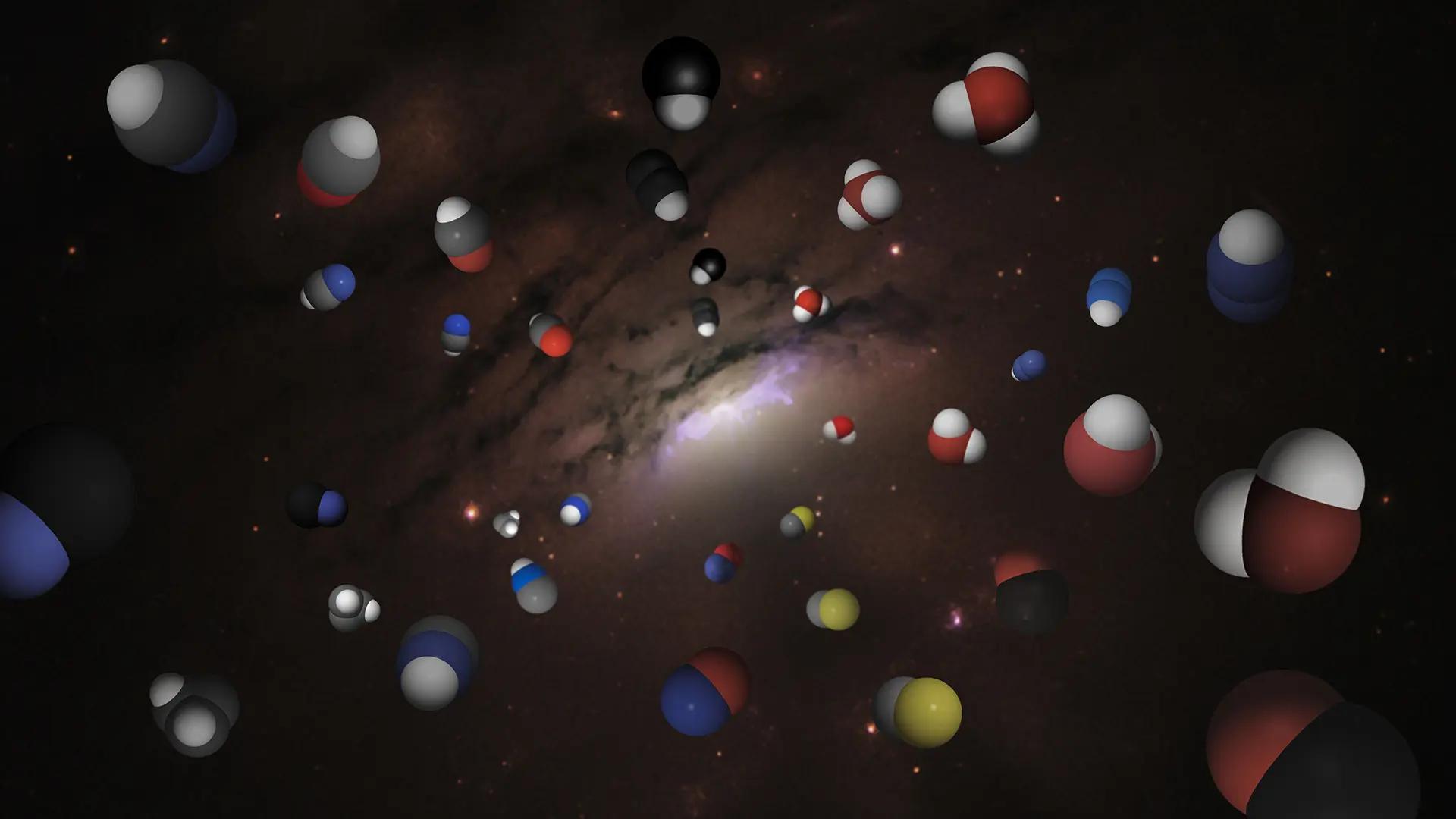
Two galaxies in the early universe, which contain extremely productive star factories, have been studied by a team of scientists led by Chalmers University of Technology in Sweden...
Read More


Until we recognize the essential role of biology, our attempts to truly unify the universe will remain a train to nowhere. ~Robert Lanza Read More

Good health is not something we can buy. However, it can be an extremely valuable savings account. ~Anne Wilson Schaef Read More

The only way forward, if we are going to improve the quality of the environment, is to get everybody involved. ~Richard Rogers Read More

To raise new questions, new possibilities, to regard old problems from a new angle, requires creative imagination and marks real advance in science. ~Albert Einstein Read More

Old Newtonian physics claimed that things have an objective reality separate from our perception of them. Quantum physics, and particularly Heisenberg's Uncertainty Principle, reveal that, as our perception of an object changes, the object itself literally changes. ~Marianne Williamson Read More

Astronomy compels the soul to look upwards and leads us from this world to another. ~ Read More
December 17, 2023,
 Astronomy/Space, Chemistry/Nanotechnology
Two galaxies in the early universe, which contain extremely productive star factories, have been studied by a team of scientists led by Chalmers University of Technology in Sweden...
Read More
December 15, 2023,
Biology/Biotechnology, Health/Medical
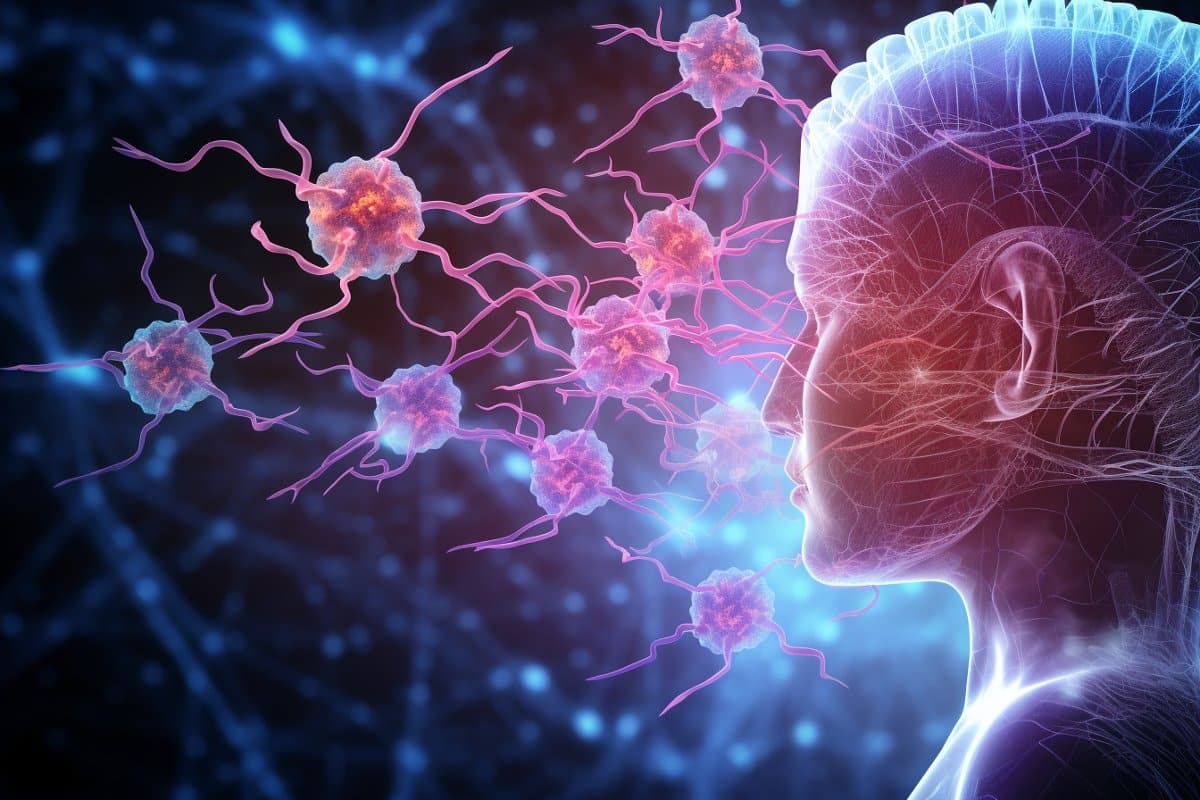
Researchers from Charité and McGill University quantify association between Helicobacter pylori and Alzheimer’s disease. Infection with the stomach bacterium Helicobacter pylori could increase the risk of developing Alzheimer’s disease: In people over the age of 50, the risk following a symptomatic infection can be an average of 11 percent higher, and even more about ten years after the infection, at 24 percent greater risk. These are the findings of a study by Charité — Universitätsmedizin Berlin and McGill University (Canada), now published in the journal Alzheimer’s & Dementia: The Journal of the Alzheimer’s Association.* The researchers analyzed three decades’ worth of patient data.
As today’s populations age, dementia is set to become more common, tripling in prevalence in ...
Read More
December 15, 2023,
Chemistry/Nanotechnology
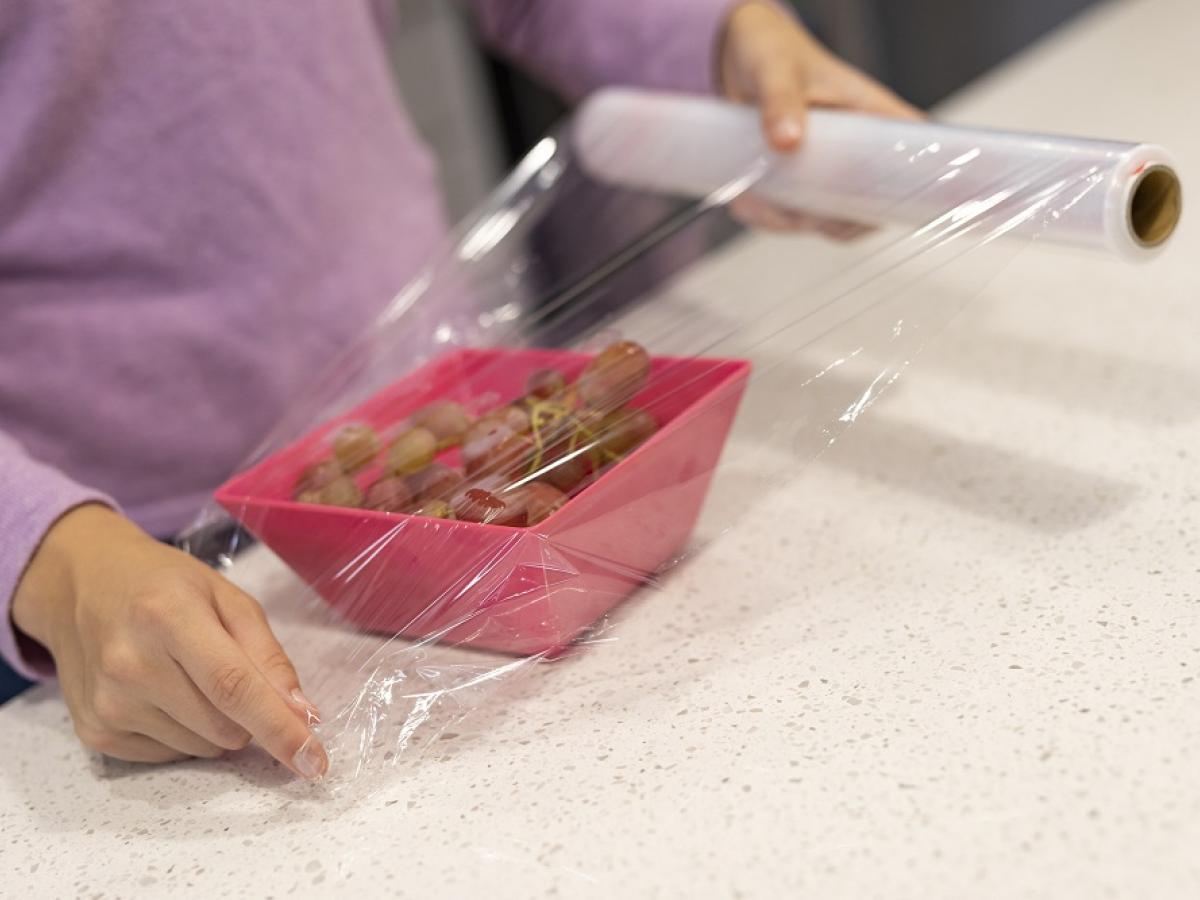
Experts have developed a way of using polyethylene waste (PE) as a feedstock and converted it into valuable chemicals, via light-driven photocatalysis. PE is the most widely used plastic in the world including for daily food packaging, shopping bags and reagent bottles, and the researchers say that while recycling of PE is still in early development, it could be an untapped resource for re-use.
An international team of experts undertaking fundamental research has developed a way of using polyethylene waste (PE) as a feedstock and converted it into valuable chemicals, via light-driven photocatalysis.
The University of Adelaide’s Professor Shizhang Qiao, Chair of Nanotechnology, and Director, Centre for Materials in Energy and Catalysis, at the School of Chemical Engineering, led ...
Read More
December 15, 2023,
Astronomy/Space

The Colorado Ultraviolet Transit Experiment (CUTE) spacecraft is about the size of a cereal box. It has also recorded incredibly detailed measurements of the atmospheres of planets hundreds of light-years from Earth.
A spacecraft the size of a cereal box has collected precise measurements of the atmospheres of large and puffy planets called “hot Jupiters.” The findings, led by a team from the University of Colorado Boulder, could help reveal how the atmospheres around these and a host of other worlds are escaping into space.
The diminutive spacecraft, which measures just 14 inches in length, may be cute, but its scientific findings are anything but...
Read More
Recent Comments