








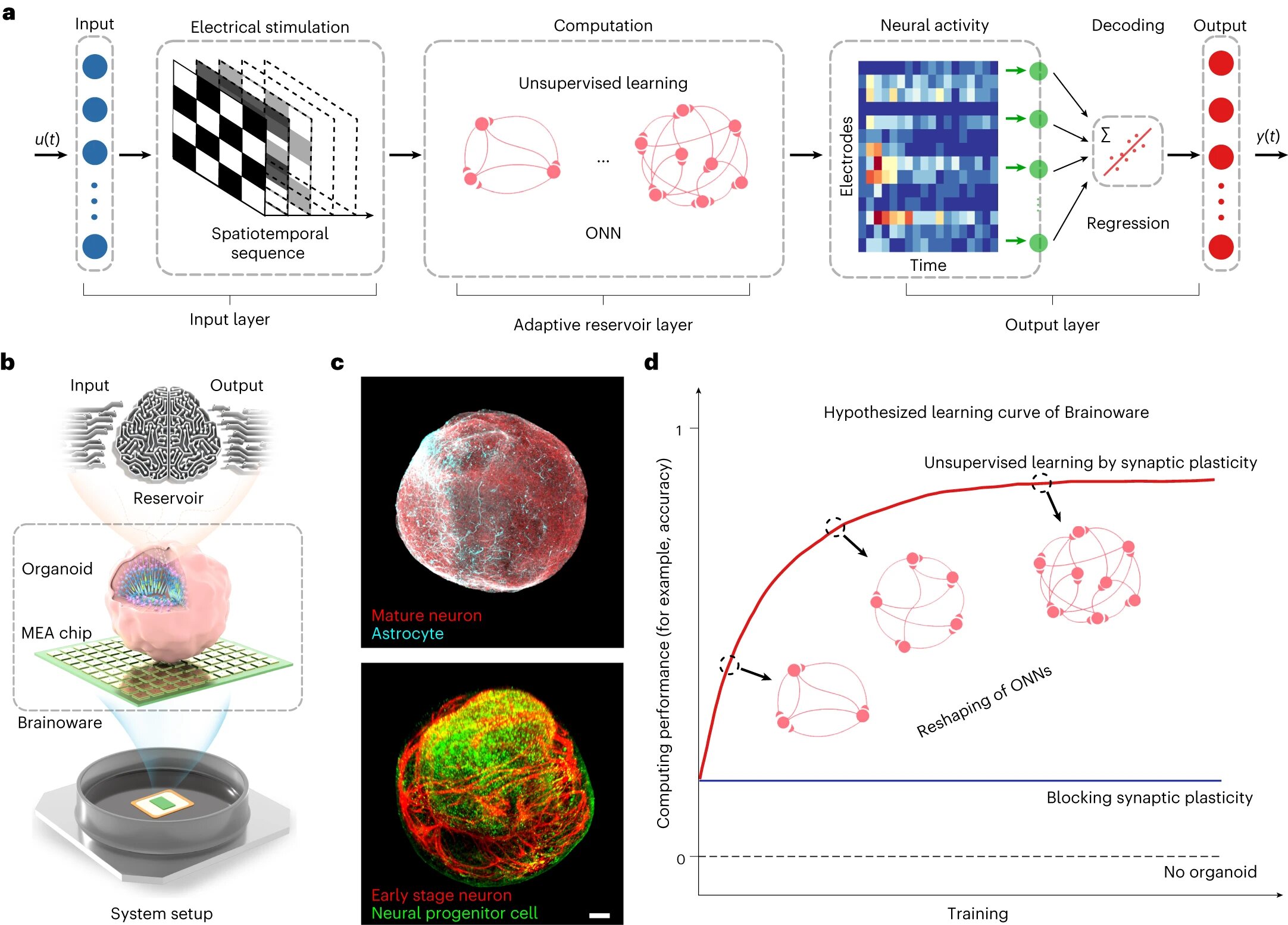
Brain Tissue on a Chip Achieves Voice Recognition
December 14, 2023,
 Health/Medical, Biology/Biotechnology
Made-to-Order Diagnostic Tests may be on the Horizon
December 14, 2023,
Health/Medical, Biology/Biotechnology

McGill University researchers have made a breakthrough in diagnostic technology, inventing a ‘lab on a chip’ that can be 3D-printed in just 30 minutes. The chip has the potential to make on-the-spot testing widely accessible.
As part of a recent study, the results of which were published in the journal Advanced Materials, the McGill team developed capillaric chips that act as miniature laboratories.
Unlike other computer microprocessors, these chips are single-use and require no external power source — a simple paper strip suffices.
They function through capillary action — the very phenomena by which a spilled liquid on the kitchen table spontaneously wicks into the paper towel used to wipe it up.
“Traditional diagnostics require peripherals, while ours can circumvent them...
Read MoreNASA’s Perseverance Rover Deciphers Ancient History of Martian Lake
December 14, 2023,
Astronomy/Space

Credit: NASA/JPL-Caltech/MSSS/JHU-APL
Marking its 1,000th Martian day on the Red Planet, NASA’s Perseverance rover recently completed its exploration of the ancient river delta that holds evidence of a lake that filled Jezero Crater billions of years ago. The six-wheeled scientist has to date collected a total of 23 samples, revealing the geologic history of this region of Mars in the process.
One sample called “Lefroy Bay” contains a large quant...
Read MoreRyugu Samples illuminate Terrestrial Weathering Effects on Primitive Meteorites
December 13, 2023,
Astronomy/Space
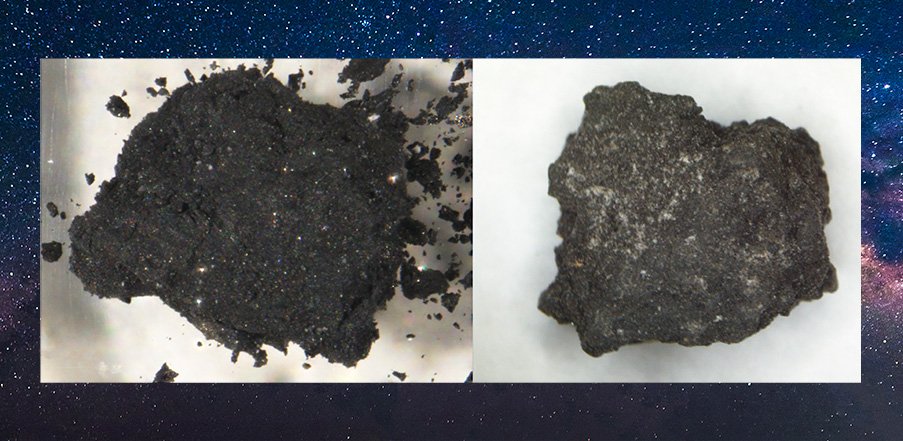
A groundbreaking study conducted by a team of international scientists has unveiled unprecedented insights into the nature of the asteroid Ryugu and shed light on the composition of water- and carbon-rich small bodies in the solar system.
Asteroids like Ryugu are remnants of planetary embryos that never reached larger sizes, making them invaluable windows into materials that formed in the early solar system.
The study centered on laboratory measurements of the samples brought back to the Earth by the Hayabusa2 spacecraft in 2020.
Led by the Japan Aerospace Exploration Agency (JAXA), Hayabusa2 aimed to uncover the true nature of Ryugu and explore how astrologists can use knowledge from meteorites to...
Read More
Recent Comments