Extreme Weight Loss: Star Sheds Unexpected Amounts of Mass just before going Supernova

Artist’s conception of pre-explosion mass loss by the progenitor star of SN 2023ixf
Credit: Melissa Weiss/CfA

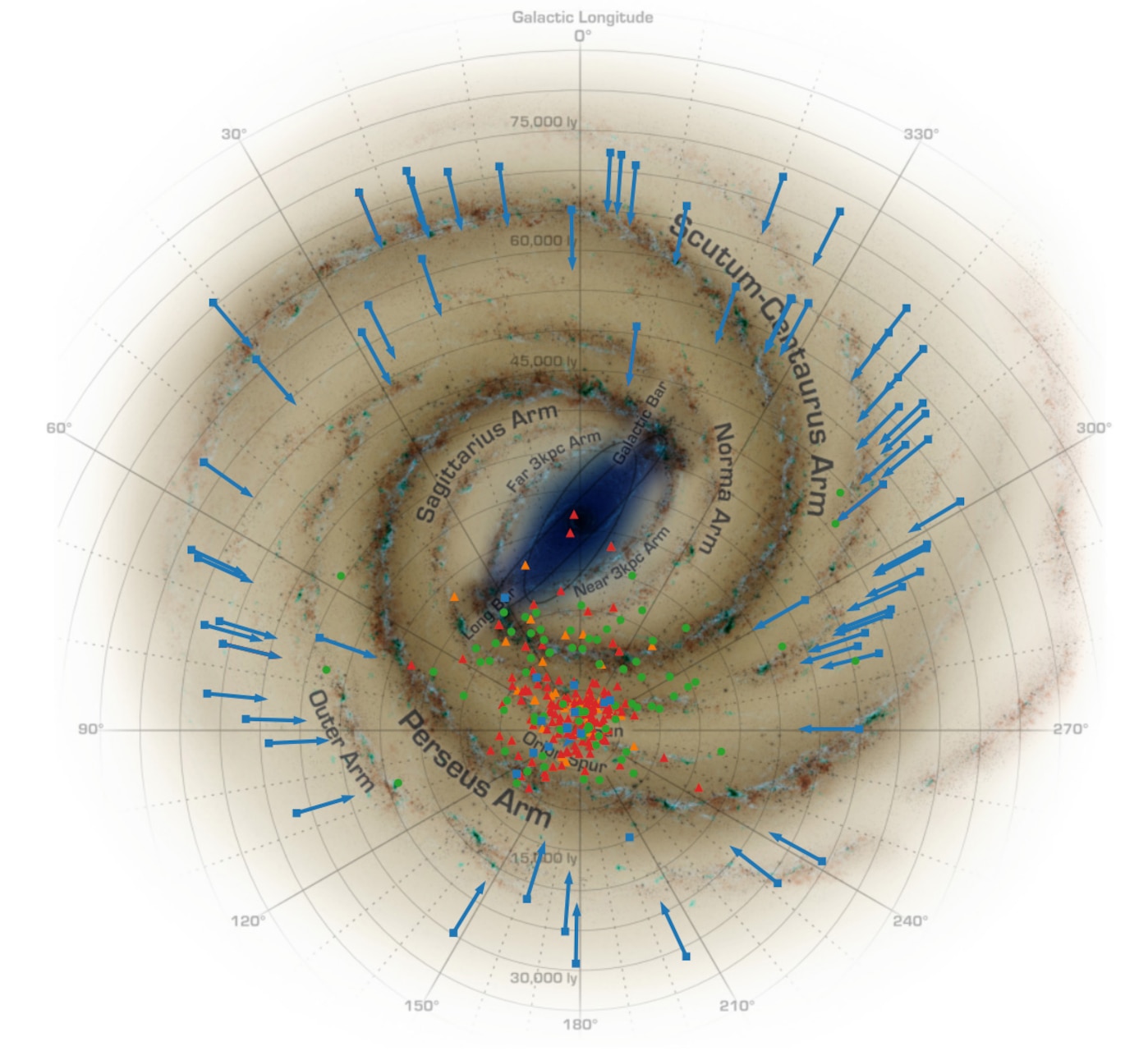
A newly discovered nearby supernova whose star ejected up to a full solar mass of material in the year prior to its explosion is challenging the standard theory of stellar evolution. The new observations are giving astronomers insight into what happens in the final year prior to a star’s death and explosion.

SN 2023ixf is a new Type II supernova discovered in May 2023 by amateur astronomer Kōichi Itagaki of Yamagata, Japan shortly after its progenitor, or origin star, exploded. Located about 20 million light-years away in the Pinwheel Galaxy, SN 2023ixf’s proximity to Earth, the supernova’s extreme brightness, and its young age make it a treasure trove of observable data for scientists studying the death of massive stars in supernova explosions.

Type II...

Read More

Did Life exist on Mars? Other Planets? With AI’s help, we may know soon

Caption: Mars Curiosity rover courtesy of NASA. 

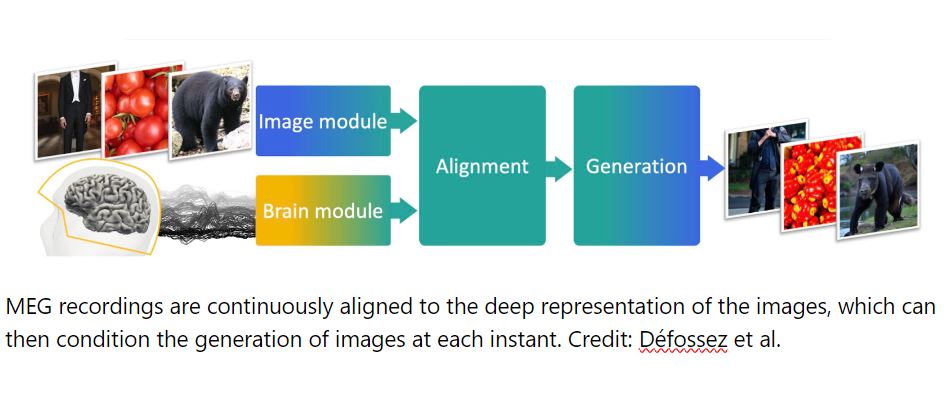
Scientists have discovered a simple and reliable test for signs of past or present life on other planets — “the holy grail of Astrobiology.”

In the journal Proceedings of the National Academy of Sciences, a seven-member team, funded by the John Templeton Foundation and led by Jim Cleaves and Robert Hazen of the Carnegie Institution for Science, reports that, with 90% accuracy, their artificial intelligence-based method distinguished modern and ancient biological samples from those of abiotic origin.

“This routine analytical method has the potential to revolutionize the search for extraterrestrial life and deepen our understanding of both the origin and chemistry of the earliest life on Earth,” says Dr. Hazen...

Read More

How a Small Strand of RNA is Key to Fighting Cancer

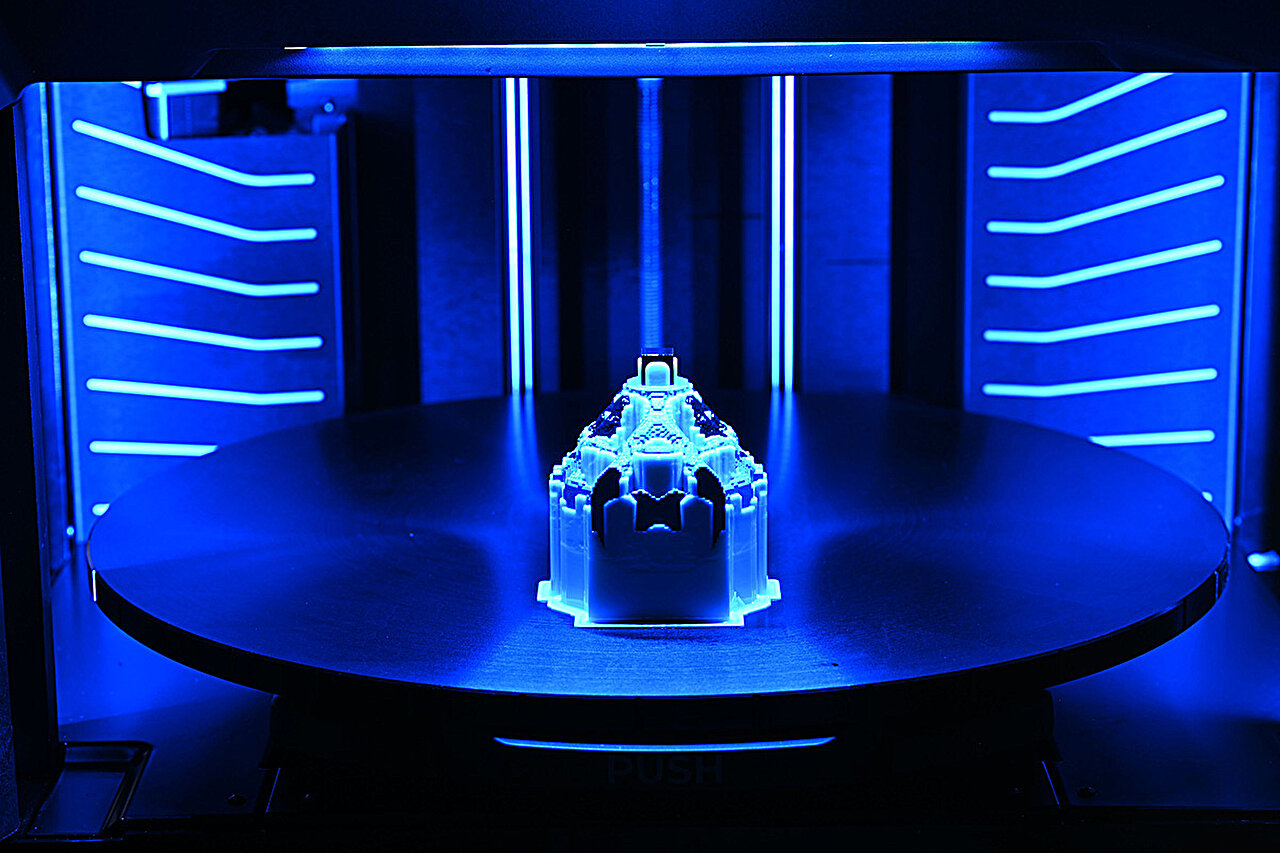
Called let-7, the microRNA governs formation of the cellular memory pool and is a gift from the dawn of animal life. A team of researchers at the University of Massachusetts Amherst has shown that a single, small strand of microRNA, or miRNA, known as let-7, governs the ability of T-cells to recognize and remember tumor cells. This cellular memory is the basis for how vaccines work. Boosting cellular memory to recognize tumors could help improve cancer therapies. The research, published recently in Nature Communications, suggests a new strategy for the next generation of cancer-fighting immunotherapies.

“Imagine that the human body is a fortress,” says Leonid Pobezinsky, associate professor of veterinary and animal sciences at UMass Amherst and the paper’s senior author, along with...

Read More

Thermal MagIC: Digging into the Details of an Ambitious New ‘Thermometry Camera’

Diagram of the series of tiny wells and the magnetic particle image itself
Left: Diagram of the series of tiny wells, in clusters of fours, filled with solution. Each well in a foursome is spaced away from the other wells by a certain amount, anywhere from 0.1 mm (very close together) to 1 mm (further apart). Right: The magnetic particle image itself, showing distinctions between the wells spaced farther apart but not between the wells spaced close together. The dashed red circle in both images shows the foursome of wells spaced 0.5 mm apart.
Credit: NIST

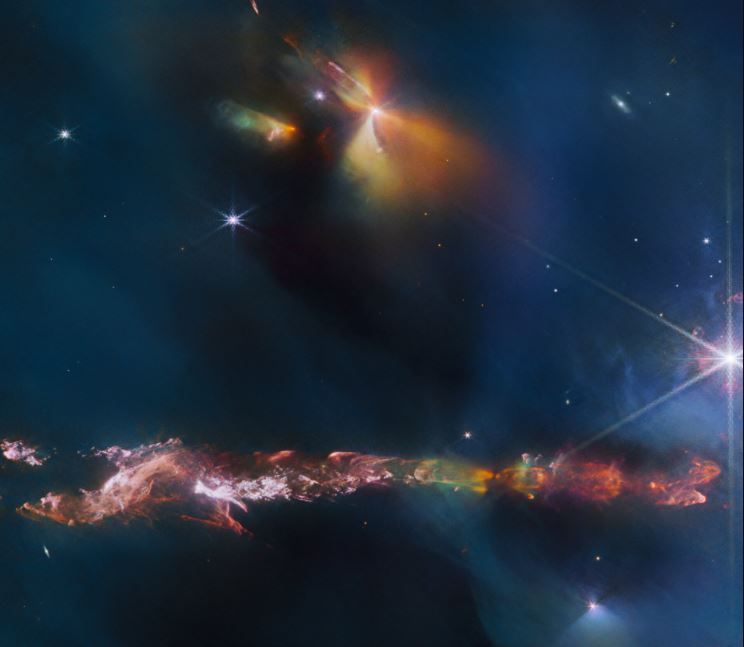
Thermometers can do a lot of things: Measure the temperature at the center of your perfectly braised chicken or tell you whether to keep your child home from school due to illness. But because of their size, traditional thermometers’ uses are still limited.

“How do you non-invasively measure a temperature...

Read More