Forging a Dream Material with Semiconductor Quantum Dots

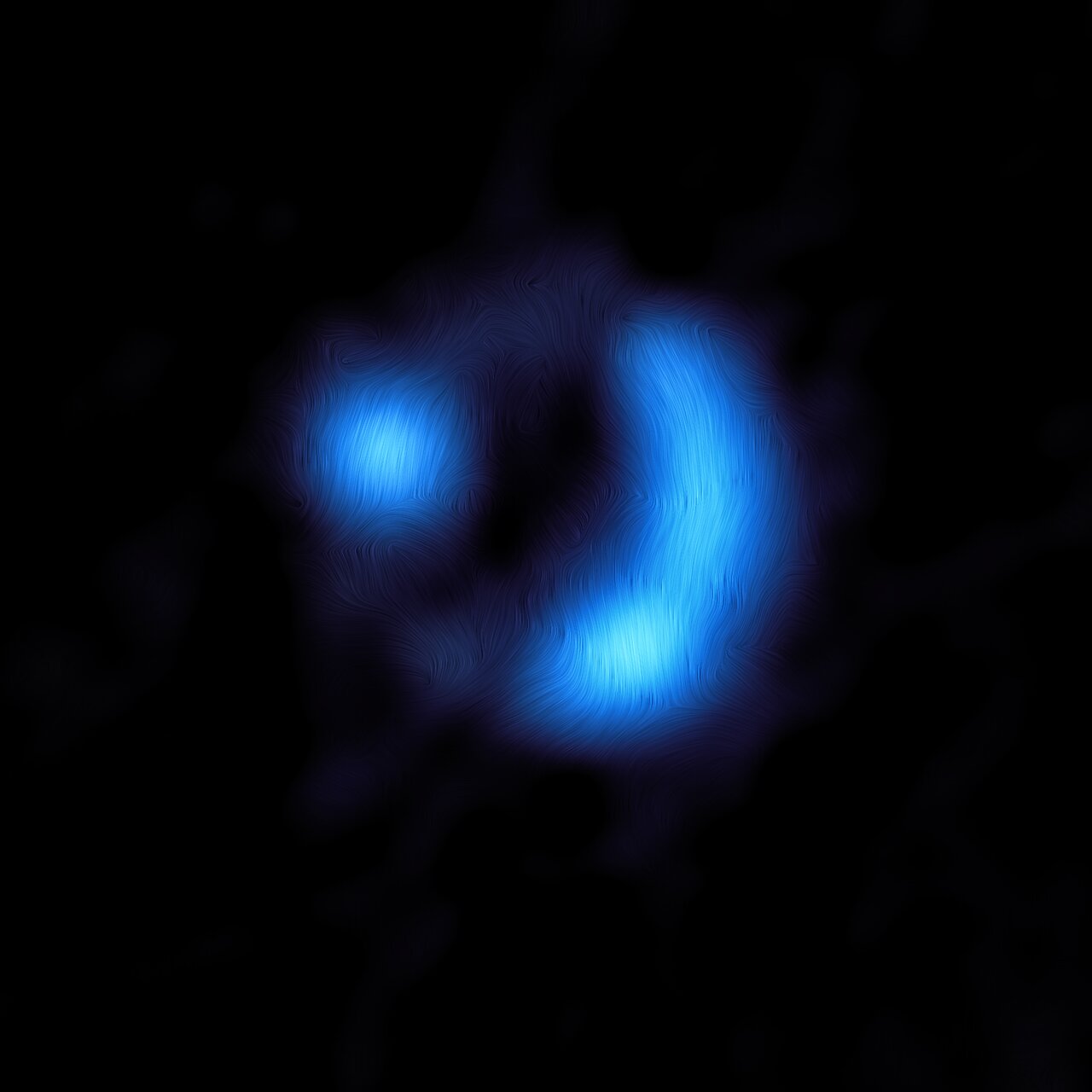
Image showing the bonding between quantum dots
Figure showing how the bonding between quantum dots contributes to electrical conductivity

Researchers from the RIKEN Center for Emergent Matter Science and collaborators have succeeded in creating a “superlattice” of semiconductor quantum dots that can behave like a metal, potentially imparting exciting new properties to this popular class of materials.

Semiconducting colloidal quantum dots have garnered tremendous research interest due to their special optical properties, which arise from the quantum confinement effect...

Read More

One-third of Galaxy’s most Common Planets could be in Habitable Zone

exoplanets
Credit: Pixabay/CC0 Public Domain

Our familiar, warm, yellow sun is a relative rarity in the Milky Way. By far the most common stars are considerably smaller and cooler, sporting just half the mass of our sun at most. Billions of planets orbit these common dwarf stars in our galaxy. To capture enough warmth to be habitable, these planets would need to huddle very close to their small stars, which leaves them susceptible to extreme tidal forces.

In a new analysis based on the latest telescope data, University of Florida astronomers have discovered that two-thirds of the planets around these ubiquitous small stars could be roasted by these tidal extremes, sterilizing them...

Read More

X-ray Emissions from Black Hole Jets Vary Unexpectedly, Challenging Leading Model of Particle Acceleration

black hole
Credit: Pixabay/CC0 Public Domain

Researchers discovered only relatively recently that black hole jets emit X-rays, and how the jets accelerate particles to this high-energy state is still a mystery. Surprising new findings in Nature Astronomy appear to rule out one leading theory, opening the door to reimagining how particle acceleration works in the jets—and possibly also elsewhere in the universe.

One leading model of how jets generate X-rays expects the jets’ X-ray emissions to remain stable over long time scales (millions of years). However, the new paper found that the X-ray emissions of a statistically significant number of jets varied over just a few years.

“One of the reasons we’re excited about the variability is that there are two main models for how X-rays are produ...

Read More

Cancers in Distant Organs Alter Liver Function

Tumor cell-derived EVPs induced accumulation of lipid droplets in the mouse liver. Green, lipid droplet. Blue, DAPI. Credit: Gang Wang, Jianlong Li, David Lyden.

Cancers often release molecules into the bloodstream that pathologically alter the liver, shifting it to an inflammatory state, causing fat buildup and impairing its normal detoxifying functions, according to a study from investigators at Weill Cornell Medicine. This discovery illuminates one of cancer’s more insidious survival mechanisms and suggests the possibility of new tests and drugs for detecting and reversing this process.

In the study, published May 24 in Nature, the researchers found that a wide variety of tumor types growing outside the liver remotely reprogram the liver to a state resembling fatty liver disease ...

Read More