
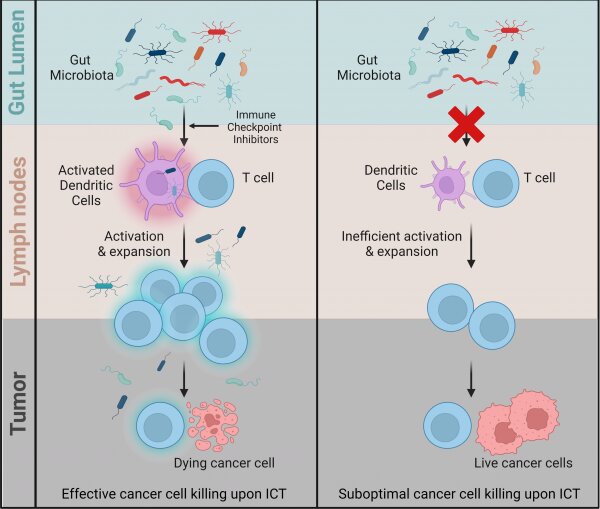
Researchers at UT Southwestern Medical Center have discovered how healthy bacteria can escape the intestine, travel to lymph nodes and cancerous tumors elsewhere in the body, and boost the effectiveness of certain immunotherapy drugs...
Read More


Until we recognize the essential role of biology, our attempts to truly unify the universe will remain a train to nowhere. ~Robert Lanza Read More

Good health is not something we can buy. However, it can be an extremely valuable savings account. ~Anne Wilson Schaef Read More

The only way forward, if we are going to improve the quality of the environment, is to get everybody involved. ~Richard Rogers Read More

To raise new questions, new possibilities, to regard old problems from a new angle, requires creative imagination and marks real advance in science. ~Albert Einstein Read More

Old Newtonian physics claimed that things have an objective reality separate from our perception of them. Quantum physics, and particularly Heisenberg's Uncertainty Principle, reveal that, as our perception of an object changes, the object itself literally changes. ~Marianne Williamson Read More

Astronomy compels the soul to look upwards and leads us from this world to another. ~ Read More
March 13, 2023,
 Health/Medical, Biology/Biotechnology
Researchers at UT Southwestern Medical Center have discovered how healthy bacteria can escape the intestine, travel to lymph nodes and cancerous tumors elsewhere in the body, and boost the effectiveness of certain immunotherapy drugs...
Read More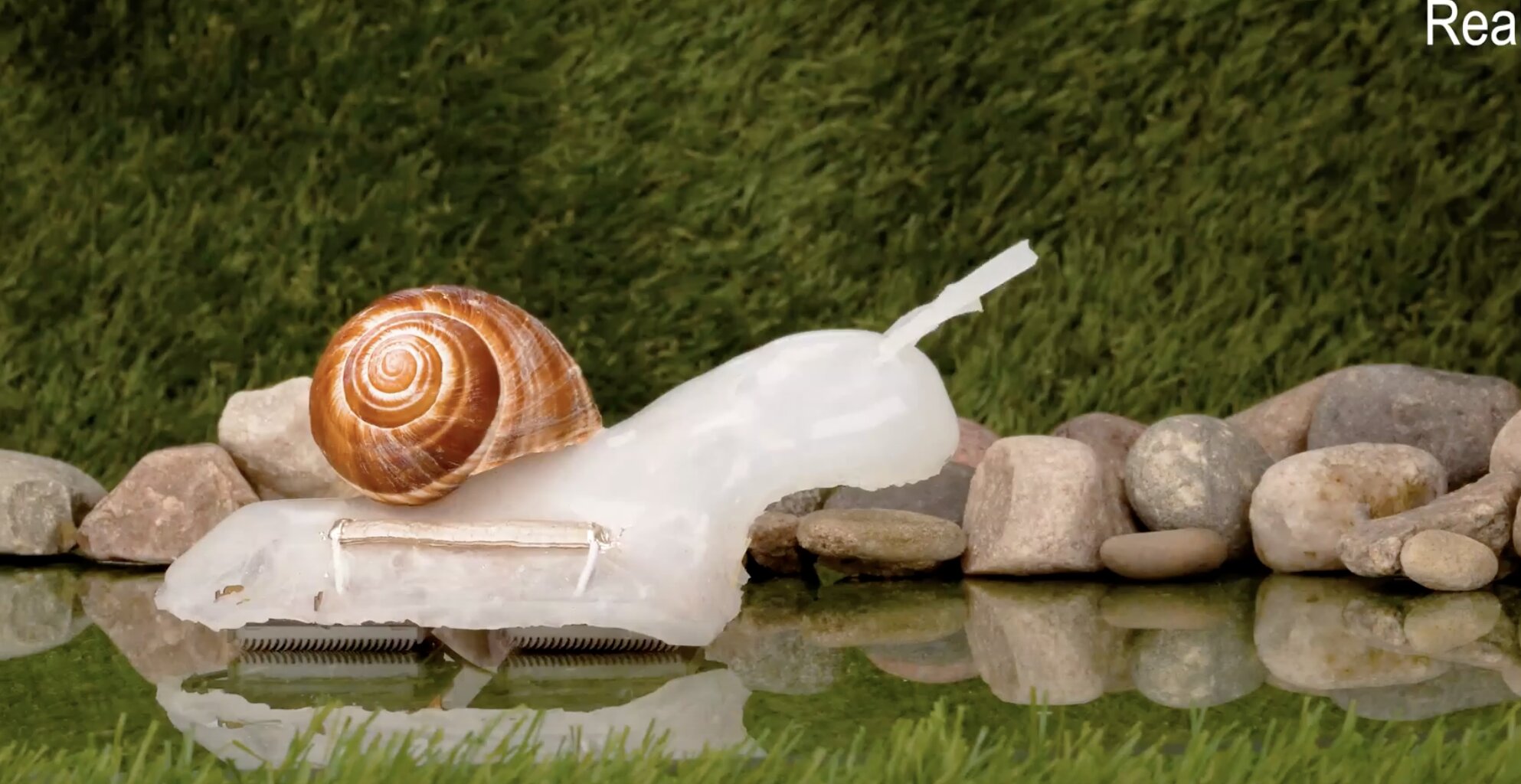
Carnegie Mellon University engineers have developed a soft material with metal-like conductivity and self-healing properties that is the first to maintain enough electrical adhesion to support digital electronics and motors. This advance, published in Nature Electronics, marks a breakthrough in softbotics and the fields of robotics, electronics, and medicine.
At Carnegie Mellon University, softbotics represents a new generation of soft machines and robots manufactured by multi-functional materials that have integrated sensing, actuation, and intelligence.
The research team introduced the material, a liquid-metal filled organogel composite...
Read More
A team of researchers has been able to see inside faraway spiral galaxies for the first time to study how they formed and how they change over time, thanks to the powerful capabilities of the James Webb Space Telescope.
“We’re studying 19 of our closest analogs to our own galaxy. In our own galaxy we can’t make a lot of these discoveries because we’re stuck inside it,” says Erik Rosolowsky, professor in the Department of Physics and co-author on a recent paper analyzing data from the James Webb telescope.
Unli...
Read More
March 10, 2023,
Physics, Technology/Electronics
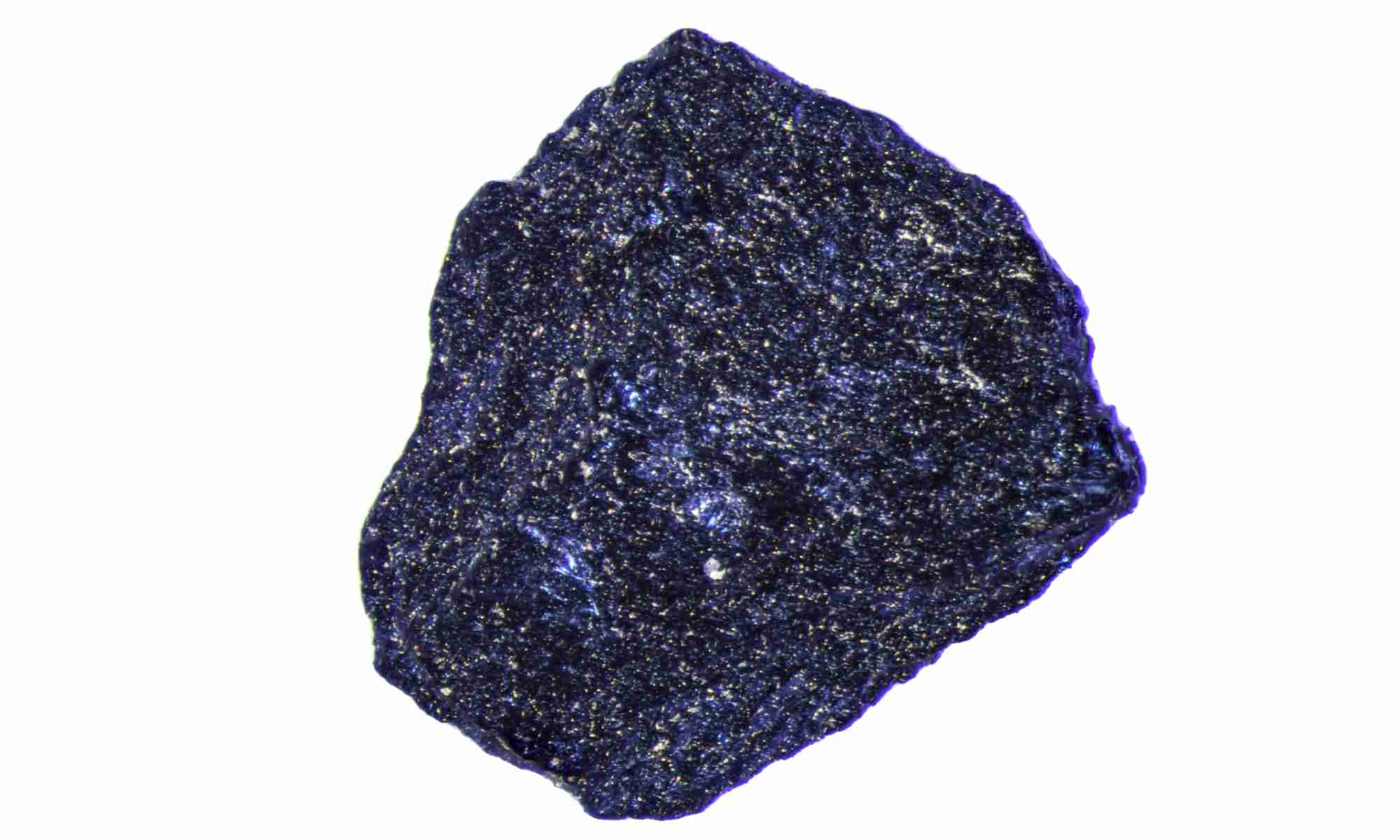
In a historic achievement, University of Rochester researchers have created a superconducting material at both a temperature and pressure low enough for practical applications.
“With this material, the dawn of ambient superconductivity and applied technologies has arrived,” according to a team led by Ranga Dias, an assistant professor of mechanical engineering and physics...
Read More
Recent Comments