
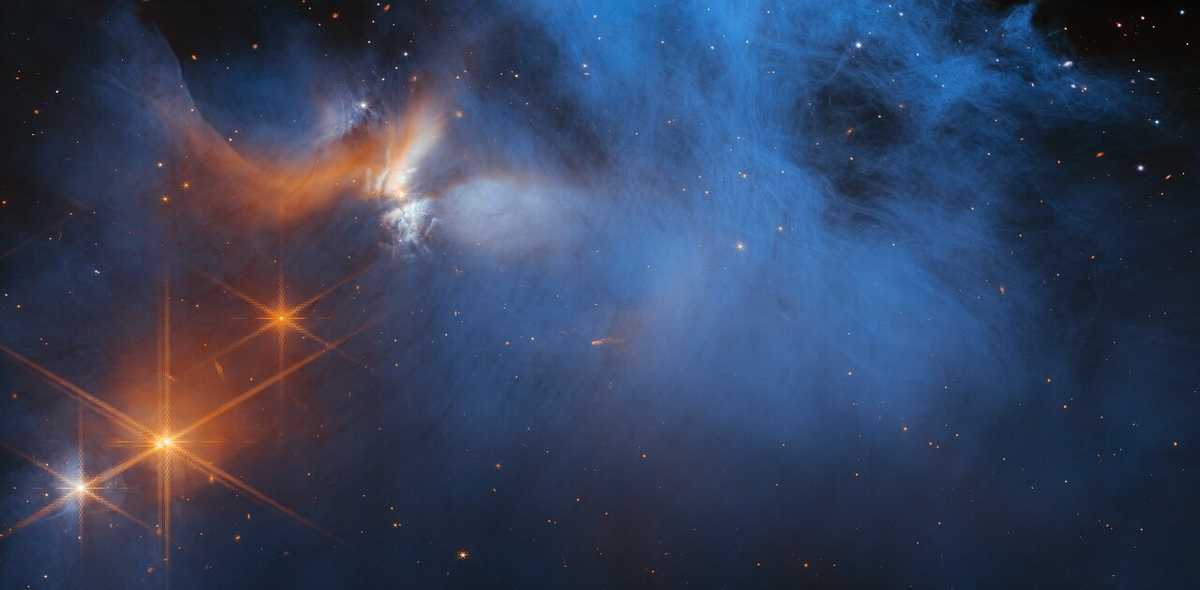
An international team including Southwest Research Institute, Leiden University and NASA used observations from the James Webb Space Telescope (JWST) to achieve the darkest ever view of a dense interstellar cloud...
Read More


Until we recognize the essential role of biology, our attempts to truly unify the universe will remain a train to nowhere. ~Robert Lanza Read More

Good health is not something we can buy. However, it can be an extremely valuable savings account. ~Anne Wilson Schaef Read More

The only way forward, if we are going to improve the quality of the environment, is to get everybody involved. ~Richard Rogers Read More

To raise new questions, new possibilities, to regard old problems from a new angle, requires creative imagination and marks real advance in science. ~Albert Einstein Read More

Old Newtonian physics claimed that things have an objective reality separate from our perception of them. Quantum physics, and particularly Heisenberg's Uncertainty Principle, reveal that, as our perception of an object changes, the object itself literally changes. ~Marianne Williamson Read More

Astronomy compels the soul to look upwards and leads us from this world to another. ~ Read More
January 24, 2023,
 Astronomy/Space
An international team including Southwest Research Institute, Leiden University and NASA used observations from the James Webb Space Telescope (JWST) to achieve the darkest ever view of a dense interstellar cloud...
Read More
January 24, 2023,
Health/Medical, Biology/Biotechnology
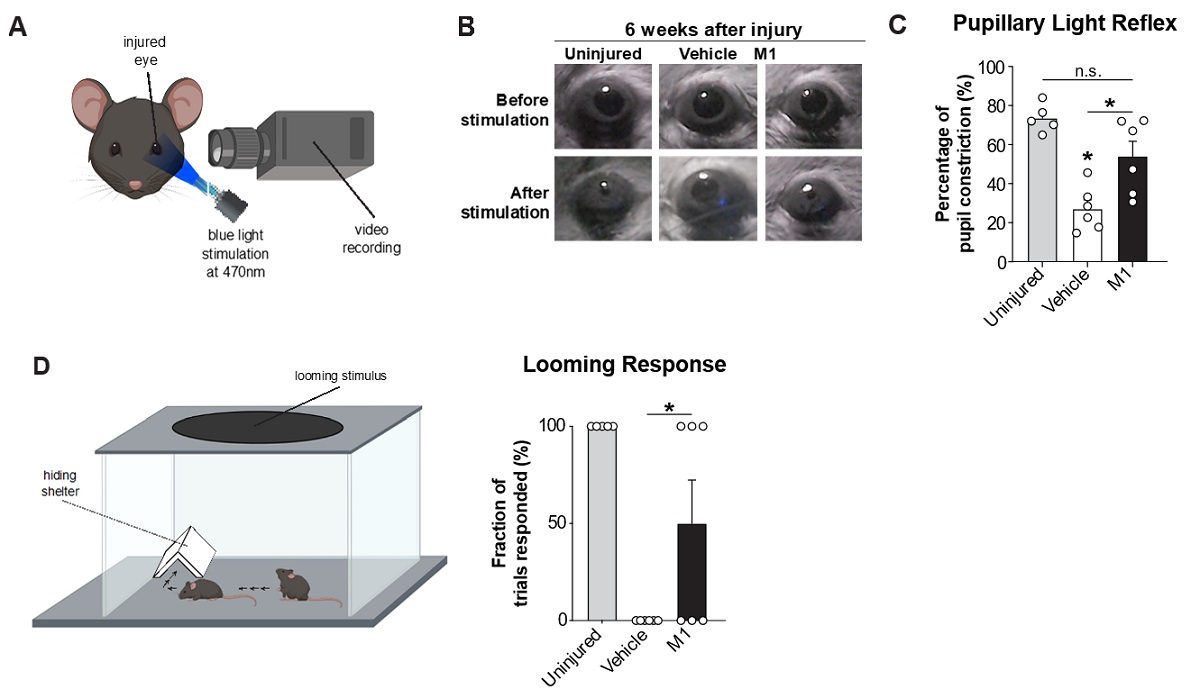
Traumatic injury to the brain, spinal cord and optic nerve in the central nervous system are the leading cause of disability and the second leading cause of d...
Read More
January 24, 2023,
Physics, Technology/Electronics
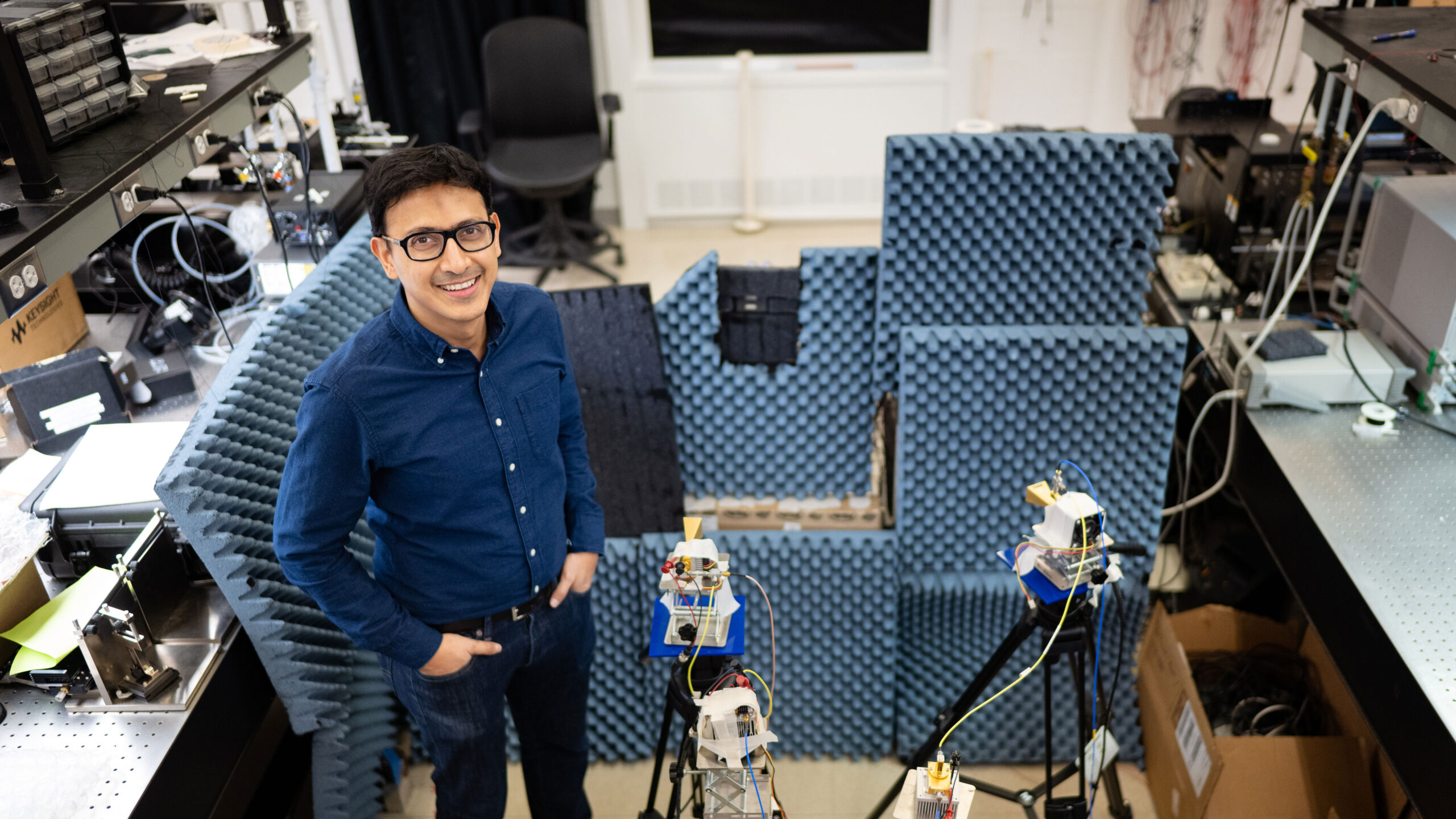
Sophisticated antenna arrays paired with high-frequency wireless chips act like superpowers for modern electronics, boosting everything from sensing to security to data processing. In his lab at Princeton, Kaushik Sengupta is working to expand those powers even further.
In recent years, Sengupta’s lab has designed antenna arrays that help engineers make strides toward peering through matter, boosting communications in canyons of skyscrapers, putting a medical lab on a smart phone, and encrypting critical data with electromagnetic waves instead of software.
In a new article in Advanced Science, Sengupta’s research team presented a new type of antenna arra...
Read More
January 24, 2023,
Astronomy/Space

Our solar system is estimated to be about 4.57 billion years old. Previous analyses of ancient meteorites have shown that minerals were created through chemical reactions with water as far back as 4.5 billion years ago. New findings from the Ryugu asteroid samples indicate that carbonates were forming from water-rock reactions several million years earlier, even closer to the solar system’s beginnings.
Mineral samples collected from the Ryugu asteroid by the Japan’s Hayabusa2 spacecraft are helping UCLA space scientists and colleagues better understand the chemical composition of our solar system as it existed in its infancy, more than 4.5 billion years ago.
In research recently published in Nature Astronomy, scientists using isotopic ana...
Read More
Recent Comments