Planetary heist: Astronomers show Massive Stars can Steal Jupiter-sized Planets

Artist impression of a ringed planet

Jupiter-sized planets can be stolen or captured by massive stars in the densely populated stellar nurseries where most stars are born, a new study has found.

Researchers from the University of Sheffield have proposed a novel explanation for the recently discovered B-star Exoplanet Abundance STudy (BEAST) planets. These are Jupiter-like planets at large distances (hundreds of times the distance between the Earth and the Sun) from massive stars.

Until now their formation has been something of a mystery, as massive stars emit large amounts of ultraviolet radiation that stops planets from growing to the size of Jupiter – the largest planet in our solar system.

Dr Emma Daffern-Powell, Co-author of the study, from the University of Sheffield’s Department of Physicsand Astronomy add...

Read More

How the Gut may help to Drive COVID-19

New findings from Flinders University have demonstrated a molecular link between COVID-19 and serotonin cells in the gut.

The research could help provide further clues to what could be driving COVID-19 infection and disease severity and supports previous evidence that antidepressants, known as selective serotonin reuptake inhibitors (SSRIs), could reduce the severity of COVID symptoms.

COVID-19 displays an array of symptoms, which can regularly include gastrointestinal issues such as diarrhoea. Recent research has indicated that these gut symptoms in COVID-19 patients worsen with the severity of the disease, and this is linked to heightened gut-derived serotonin, released to cause gut dysfunction, increasing the body’s immune response and potentially worsening patient outcomes.

...Read More

Researchers demonstrate New, More Energy-Efficient Devices using Gallium Nitride

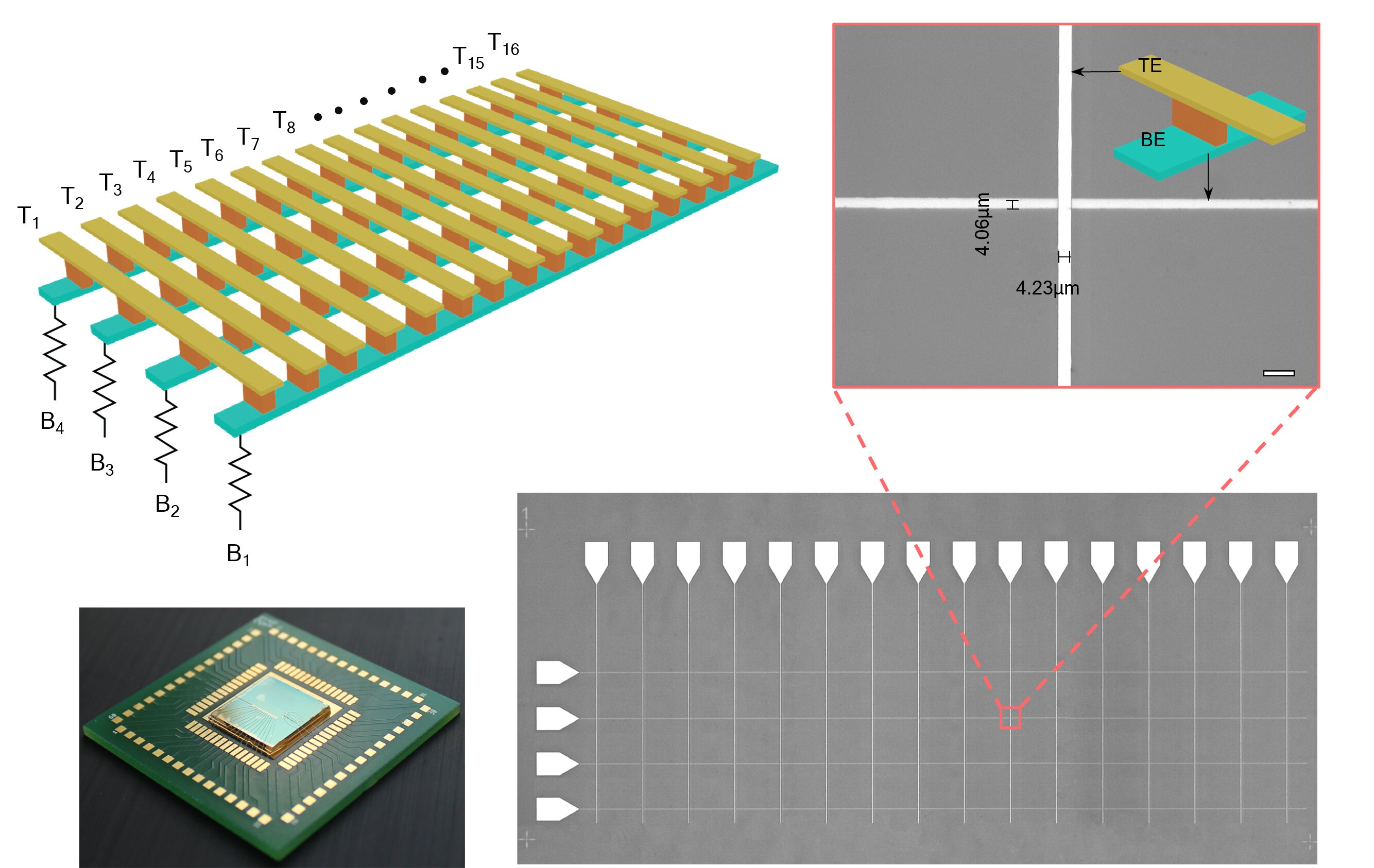
Engineering researchers have created new high-power electronic devices that are more energy efficient than previous technologies. The devices are made possible by a unique technique for “doping” gallium nitride (GaN) in a controlled way.

“Many technologies require power conversion — where power is switched from one format to another,” says Dolar Khachariya, the first author of a paper on the work and a former Ph.D. student at North Carolina State University. “For example, the technology might need to convert AC to DC, or convert electricity into work — like an electric motor. And in any power conversion system, most power loss takes place at the power switch — which is an active component of the electrical circuit that makes the power conversion system.

“Developing more efficien...

Read More

Gamma rays from Neighboring Galaxy related to Millisecond Pulsars

Sagittarius Dwarf
A small satellite galaxy of the Milky Way – called the Sagittarius dwarf galaxy – has been observed from Earth through giant lobes of gamma radiation (the so-called Fermi bubbles). Although the dwarf galaxy is stuffed with dark matter, this is unlikely to be the cause of the observed emission. Image: O. Macias.

A team of researchers, including UvA physicists and astronomers, has studied gamma rays caused by the Sagittarius Dwarf, a small neighbouring galaxy of our Milky Way. They showed that all the observed gamma radiation can be explained by millisecond pulsars, and can therefore not be interpreted as a smoking gun signature for the presence of dark matter. The results were published in Nature Astronomy this week.

The center of our galaxy is blowing a pair of colossal bubbles ...

Read More