








- Scientists may have found a “unifying theory” of chronic fatigue
- Atom-thin material could overcome key transistor bottleneck for next-generation computer chips
- Quantum interactions may have locked early universe’s fields into existing energy states
- High blood pressure can accelerate osteoarthritis joint damage via a newly identified hormone pathway
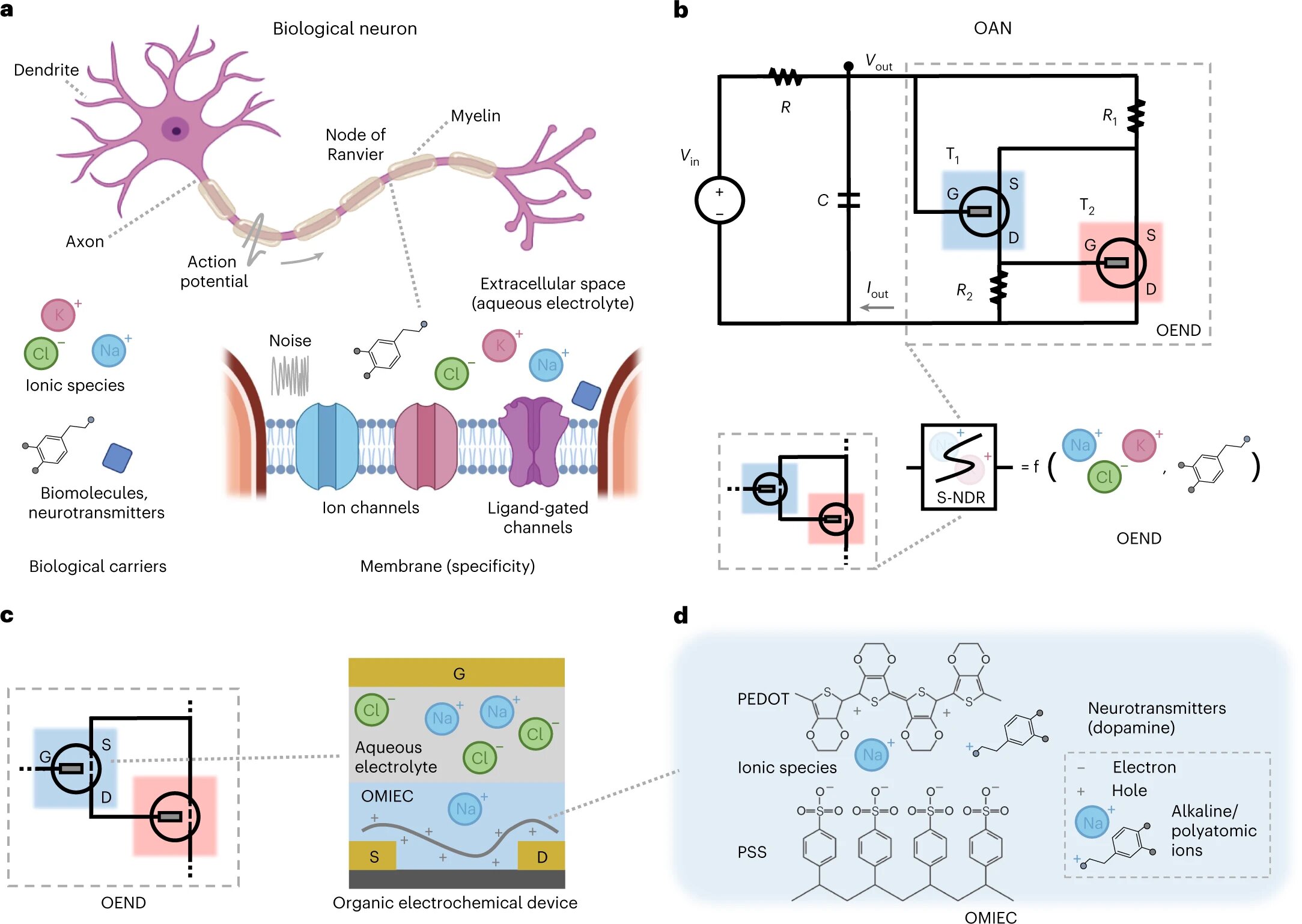
Speaking the Same Language: How Artificial Neurons Mimic Biological Neurons
November 8, 2022,
 Physics
Earth’s Oldest Stromatolites and the Search for Life on Mars
November 8, 2022,
Astronomy/Space
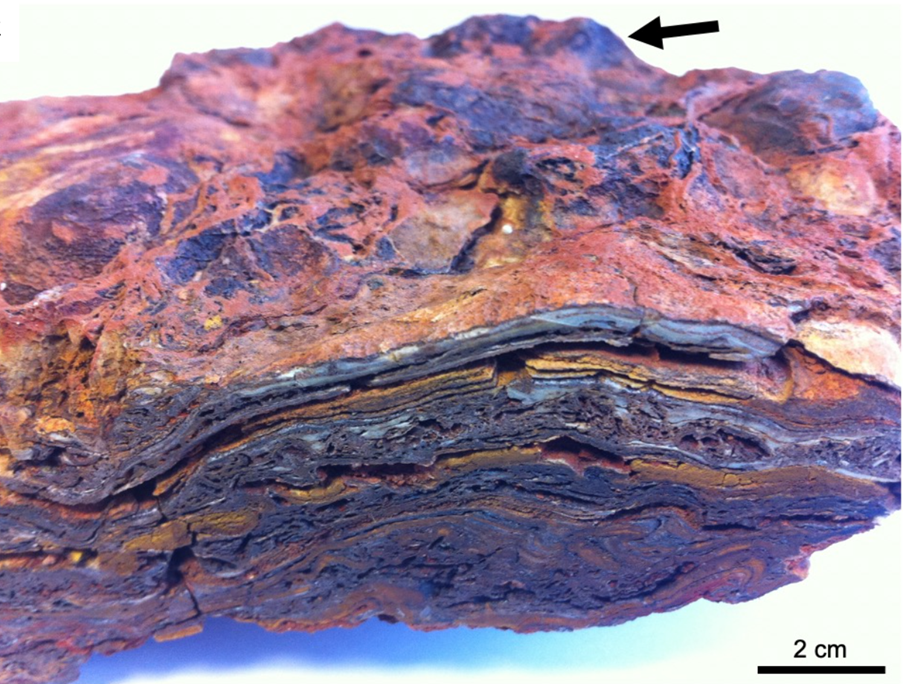
The earliest morphological traces of life on Earth are often highly controversial, both because non-biological processes can produce relatively similar structures and because such fossils have often been subjected to advanced alteration and metamorphism. Stromatolites, layered organo-sedimentary structures reflecting complex interplays between microbial communities and their environment, have long been considered key macrofossils for life detection in ancient sedimentary rocks; however, the biological origin of ancient stromatolites has frequently been criticized...
Read MoreSeeing Clearly into a New Realm – Researchers Prototype a New Generation of Quantum Microscopy
November 8, 2022,
Physics
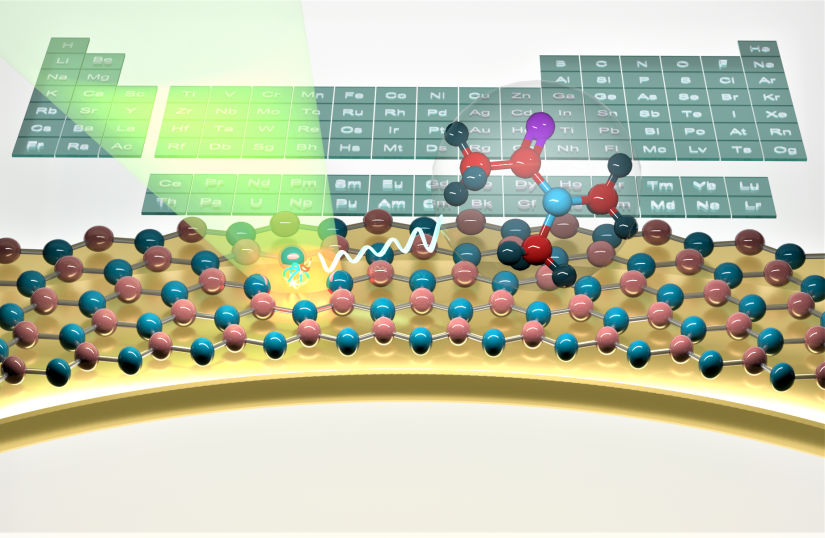
With the advance of quantum technologies, new microscopy modalities are becoming possible – ones that can see electric currents, detect fluctuating magnetic fields, and even see single molecules on a surface. A prototype of such a microscope, demonstrating high resolution sensitivity, has been developed by an Australian research team.
While quantum computing seems like the big-ticket item among the developing technologies based on the behaviour of matter and energy on the atomic and subatomic level, another direction promises to open a new door for scientific research itself — quantum microscopy.
With the advance of quantum technologies, new ...
Read MoreOldest Planetary Debris in Our Galaxy found in New Study
November 8, 2022,
Astronomy/Space
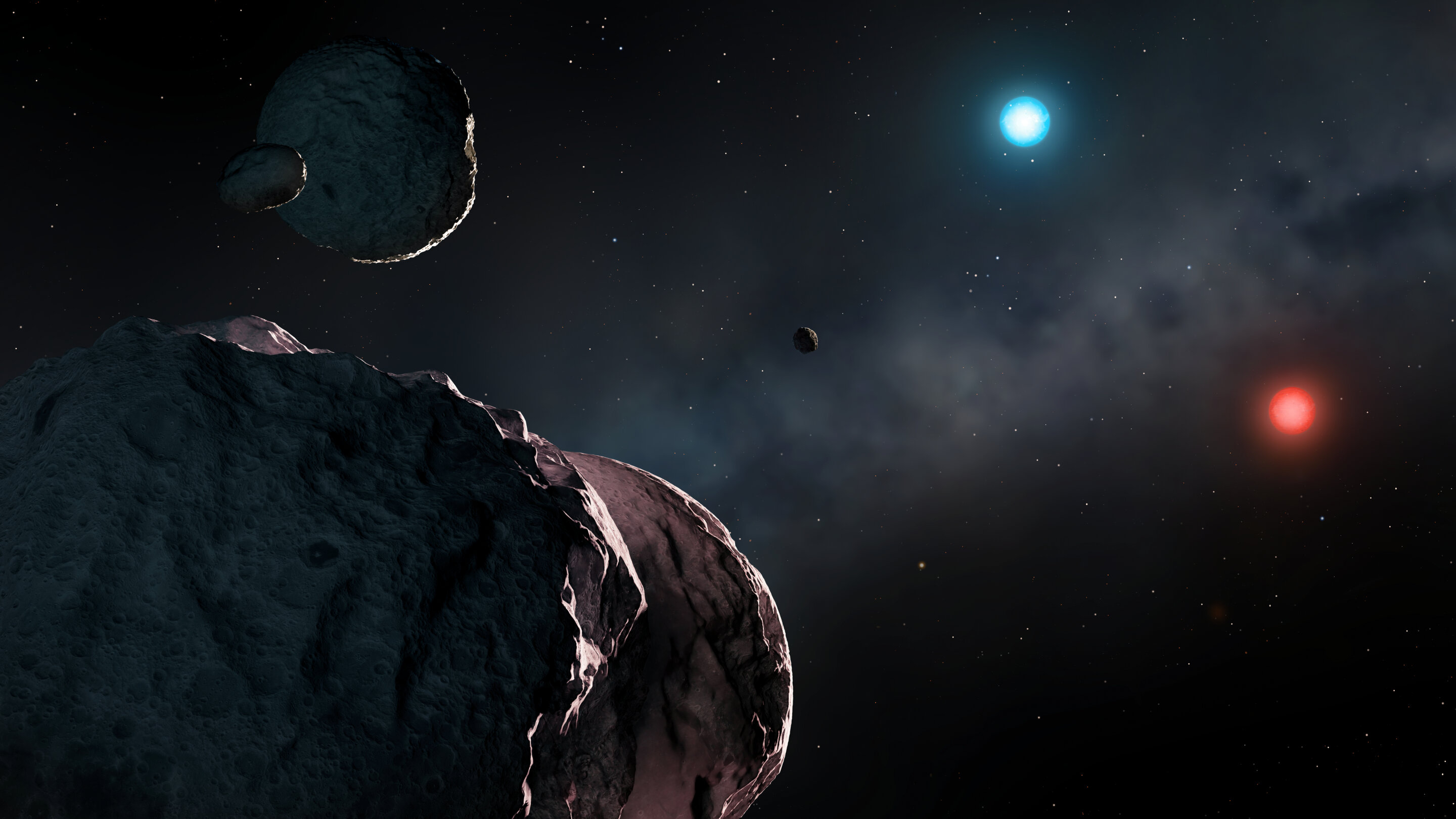
Astronomers led by the University of Warwick have identified the oldest star in our galaxy that is accreting debris from orbiting planetesimals, making it one of the oldest rocky and icy planetary systems discovered in the Milky Way.
Their findings are published today (Nov...
Read More
Recent Comments