Stiff, Achy Knees? Lab-made Cartilage Gel Outperforms the Real Thing

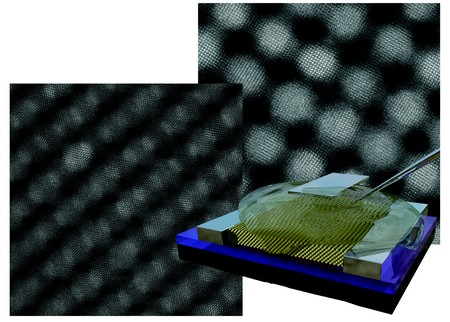
A hydrogel-based implant could replace worn-out cartilage and alleviate knee pain without replacing the entire joint. Photo courtesy of Benjamin Wiley, Duke University.

Over-the-counter pain relievers, physical therapy, steroid injections—some people have tried it all and are still dealing with knee pain.

Often knee pain comes from the progressive wear and tear of cartilage known as osteoarthritis, which affects nearly one in six adults—867 million people—worldwide. For those who want to avoid replacing the entire knee joint, there may soon be another option that could help patients get back on their feet fast, pain-free, and stay that way.

Writing in the journal Advanced Functional Materials, a Duke University-led team says they have created the first gel-based cartilage s...

Read More

AI Algorithm that Detects Brain Abnormalities could help Cure Epilepsy

epilepsy
Credit: Pixabay/CC0 Public Domain

An artificial intelligence (AI) algorithm that can detect subtle brain abnormalities that cause epileptic seizures has been developed by a UCL-led team of international researchers.

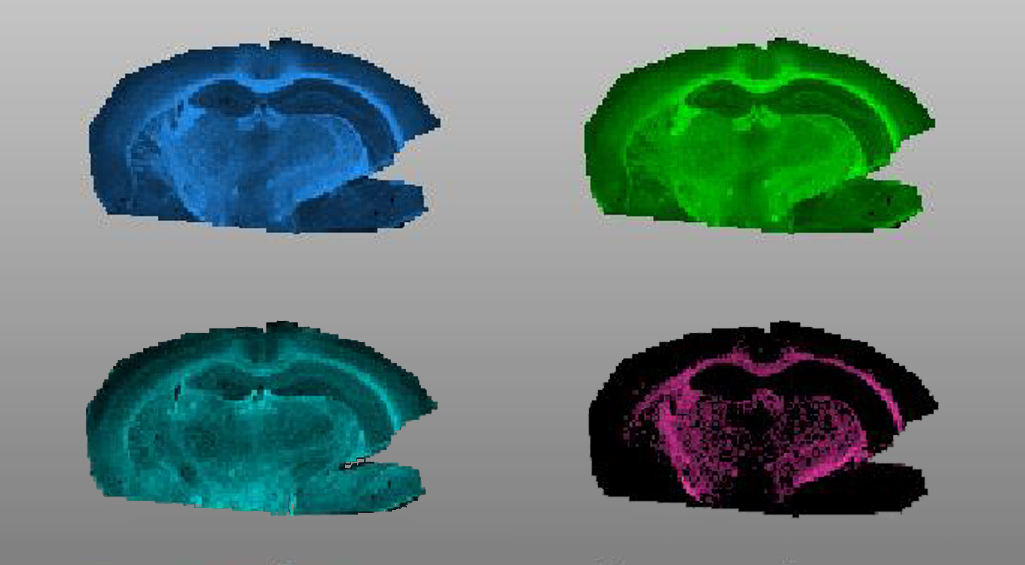
The Multicentre Epilepsy Lesion Detection project (MELD) used over 1,000 patient MRI scans from 22 global epilepsy centers to develop the algorithm, which provides reports of where abnormalities are in cases of drug-resistant focal cortical dysplasia (FCD)—a leading cause of epilepsy.

FCDs are areas of the brain that have developed abnormally and often cause drug-resistant epilepsy. The condition is typically treated with surgery, however identifying the lesions from an MRI is an ongoing challenge for clinicians, as MRI scans in FCDs can look normal.

To develop t...

Read More

Rocket Launch to Image Supernova Remnant

Cassiopeia A

A Northwestern University astrophysics team is aiming for the stars—well, a dead star, that is.

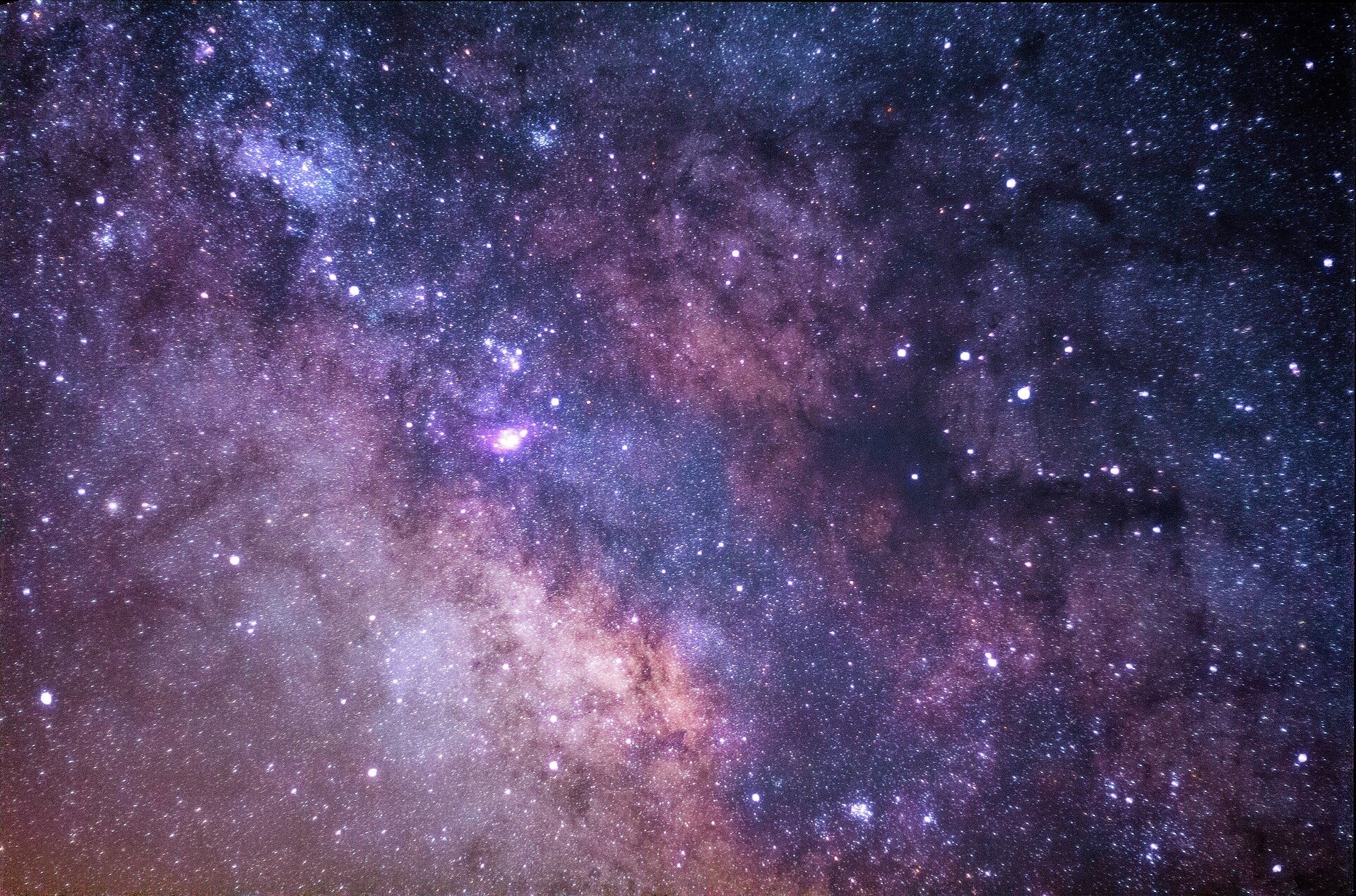
On Aug. 21, the NASA-funded team will launch its “Micro-X” rocket from White Sands Missile Range in southern New Mexico. The rocket will spend 15 minutes in space—just enough time to snap a quick image of supernova remnant Cassiopeia A, a star in the Cassiopeia constellation that exploded approximately 11,000 light-years away from Earth. Then, the rocket will parachute back to Earth, landing in the desert—about 45 miles from the launchpad—where the Northwestern team will recover its payload.

Short for “high-resolution microcalorimeter Xray imaging rocket,” the Micro-X rocket will carry a superconductor-based X-ray imaging spectrometer that is capable of measuring t...

Read More

Bioengineered Cornea Restores Sight to the Blind and Visually Impaired

This shows the cornea implant
Cornea implant made of collagen protein from pig’s skin. Credit: Thor Balkhed/Linköping University

Researchers and entrepreneurs have developed an implant made of collagen protein from pig’s skin, which resembles the human cornea. In a pilot study, the implant restored vision to 20 people with diseased corneas, most of whom were blind prior to receiving the implant. The study jointly led by researchers at Linköping University (LiU) and LinkoCare Life Sciences AB has been published in Nature Biotechnology. The promising results bring hope to those suffering from corneal blindness and low vision by providing a bioengineered implant as an alternative to the transplantation of donated human corneas, which are scarce in countries where the need for them is greatest.

“The results show...

Read More