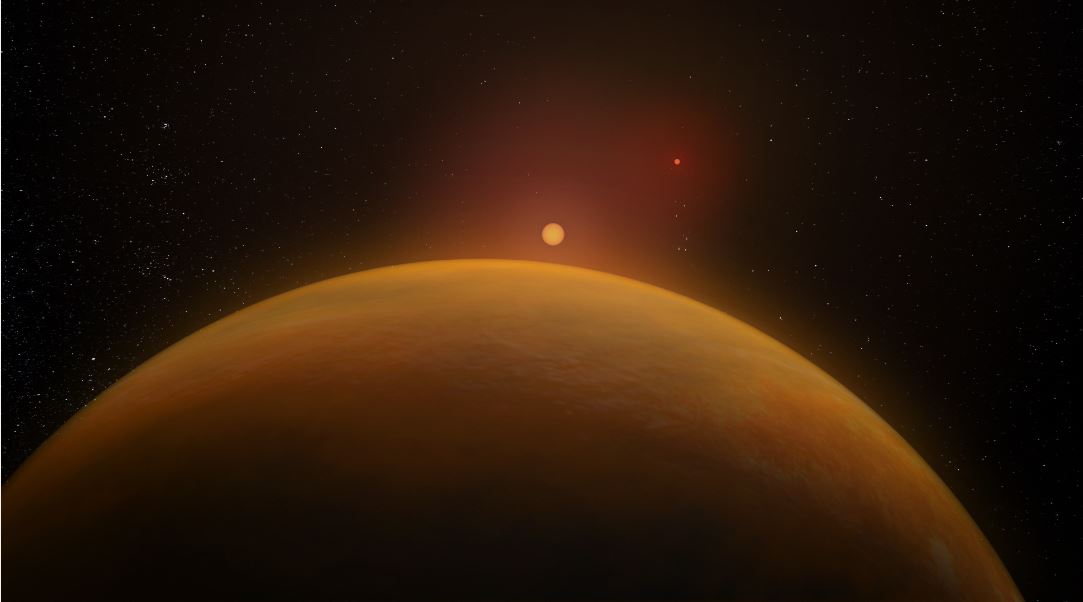
A Weird Star Produced the Fastest Nova on Record

Illustration of an intermediate polar system, a type of two-star system that the research team thinks V1674 Hercules belongs to. A flow of gas from the large companion star impacts an accretion disk before flowing along magnetic field lines onto the white dwarf. Illustration by Mark Garlick

Astronomers are buzzing after observing the fastest nova ever recorded. The unusual event drew scientists’ attention to an even more unusual star. As they study it, they may find answers to not only the nova’s many baffling traits, but to larger questions about the chemistry of our solar system, the death of stars and the evolution of the universe.

The research team, led by Arizona State University Regents Professor Sumner Starrfield, Professor Charles Woodward from University of Minnesota and Re...

Read More

Quantum Computer Programming Basics

2022-06-14 External News Standard Article Feature@2x
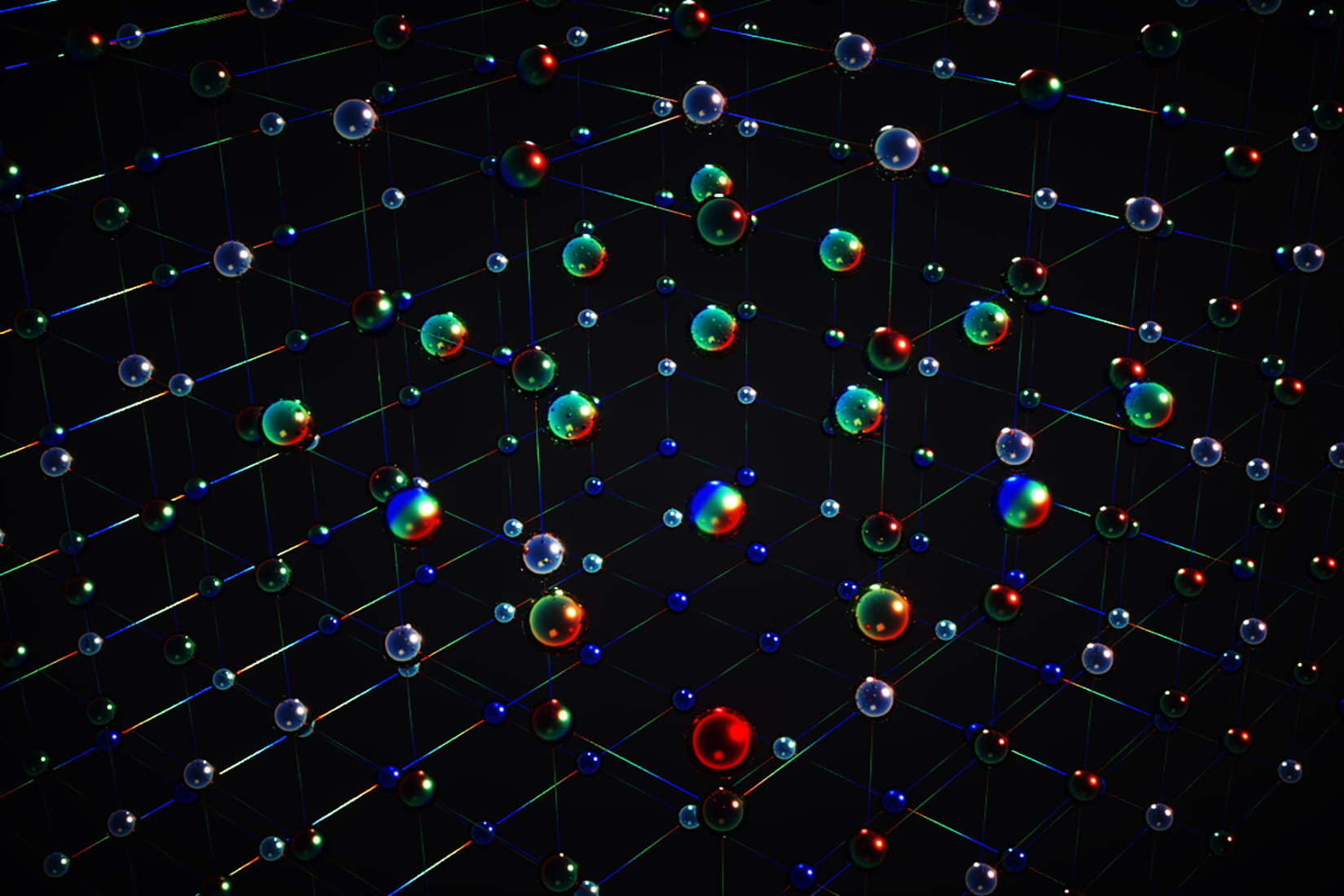
A new guide to programming quantum algorithms walks programmers through every step, from theory to implementing the algorithms on IBM’s publicly available 5-qubit ibmqx4 quantum computer and others. Credit: Dreamstime

For would-be quantum programmers scratching their heads over how to jump into the game as quantum computers proliferate and become publicly accessible, a new beginner’s guide provides a thorough introduction to quantum algorithms and their implementation on existing hardware.

“Writing quantum algorithms is radically different from writing classical computing programs and requires some understanding of quantum principles and the mathematics behind them,” said Andrey Y...

Read More

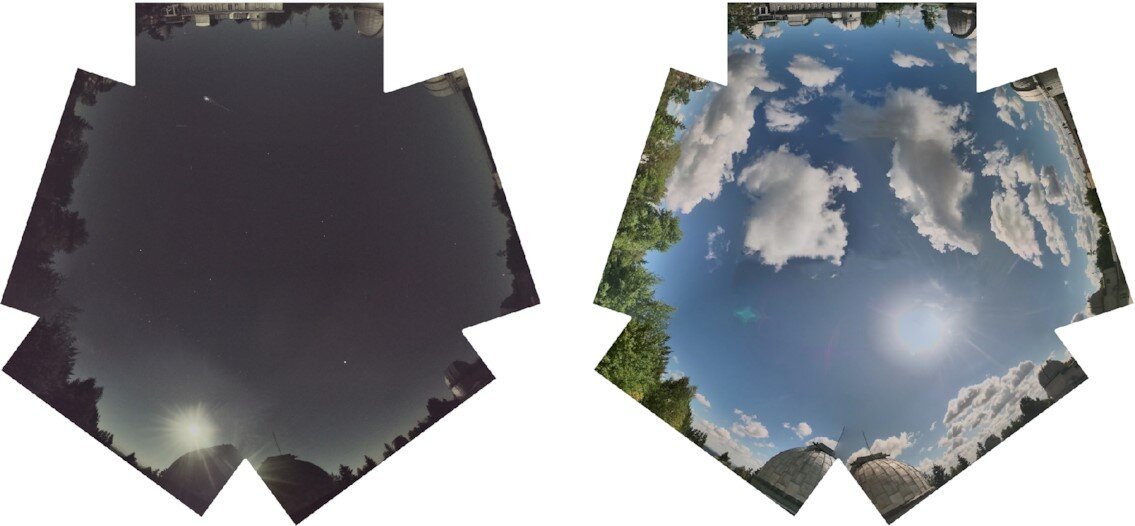
Wandering Star Disrupts Stellar Nursery

Event provides new evidence that traveling stars can form binary systems. From a zoomed out, distant view, star-forming cloud L483 appears normal. But when a Northwestern University-led team of astrophysicists zoomed in closer and closer, things became weirder and weirder.

As the researchers peered closer into the cloud, they noticed that its magnetic field was curiously twisted. And then — as they examined a newborn star within the cloud — they spotted a hidden star, tucked behind it.

“It’s the star’s sibling, basically,” said Northwestern’s Erin Cox, who led the new study. “We think these stars formed far apart, and one moved closer to the other to form a binary. When the star traveled closer to its sibling, it shifted the dynamics of the cloud to twist its magnetic field.”

...Read More

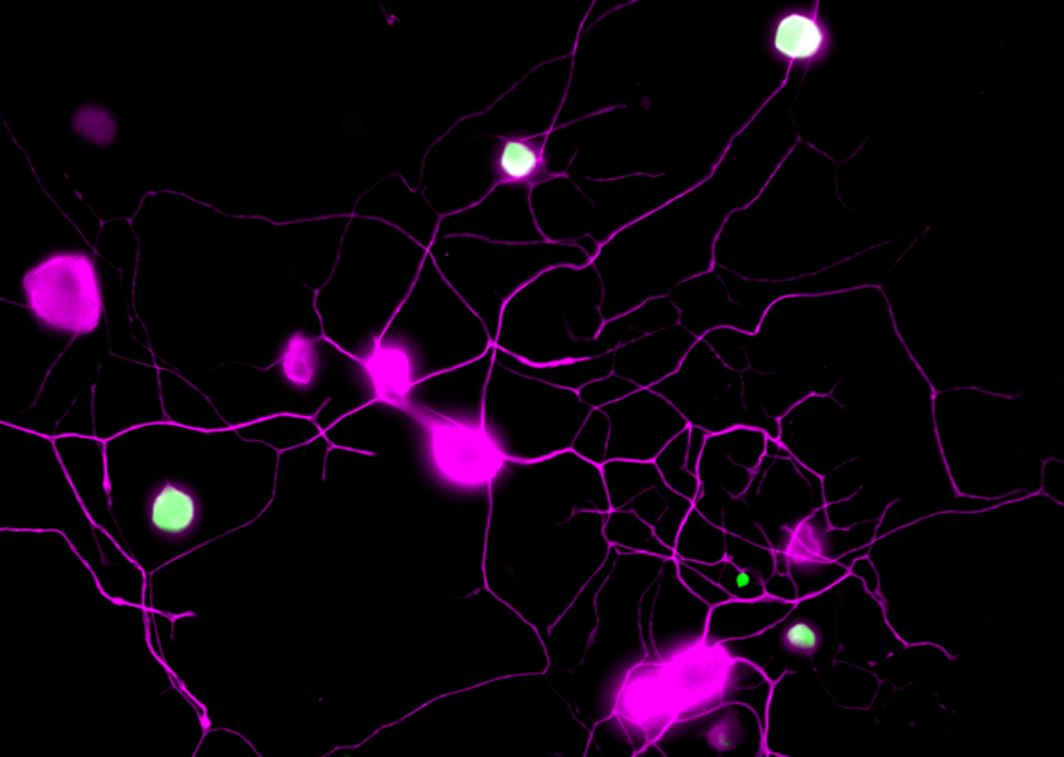
Dietary Fiber in the Gut may Help with Skin Allergies

A Monash University study exploring the emerging gut-skin axis has found that microbial fermentation of dietary fibre in the gut can protect against allergic skin disease. The research could potentially lead to novel treatments to prevent or treat allergies.

Professor Ben Marsland from the Central Clinical School’s Department of Immunology, together with Swiss colleagues at the University Hospital of Lausanne (CHUV), showed that the fermentation of fibre in the gut by bacteria and subsequent production of short-chain fatty acids (SCFAs), in particular butyrate, protected against atopic dermatitis in mice.

The research was published today in Mucosal Immunology.

While it is well established that the gut microbiome shapes the immune system, the influence it has on the skin is le...

Read More