Molecular ‘Xulprit’ caught driving Cell Death and Inflammation

Highlights
•IFNγ and TLR signaling causes cell death via caspase-8, iNOS, and BAX/BAK
•Caspase-8 regulates BCL2 and iNOS expression to activate BAX/BAK independent of BID
•iNOS causes caspase-8 cleavage and destabilizes the BAX/BAK inhibitors MCL1 and A1
•Caspase-8 and iNOS promote severe disease upon SARS-CoV-2 infection of mice

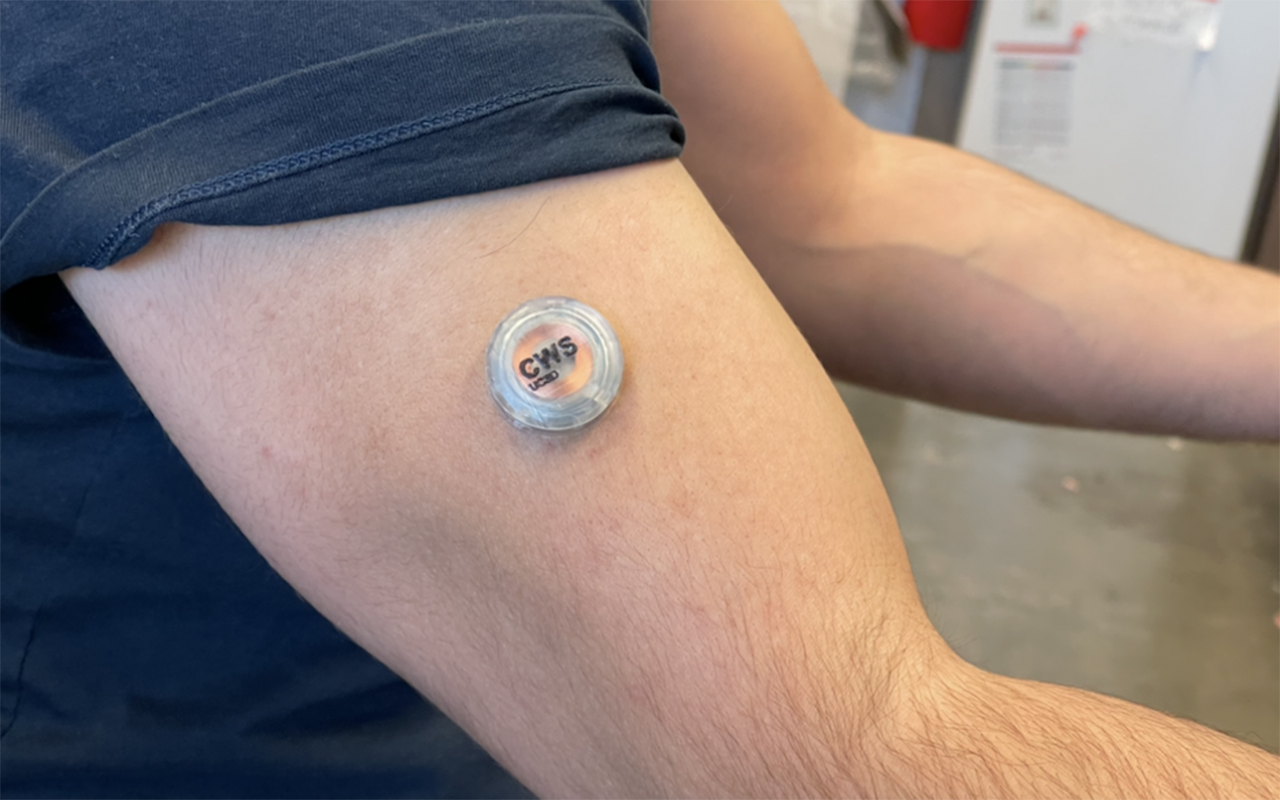
A WEHI-led study has identified a molecular ‘culprit’ responsible for causing damaging levels of cell death and inflammation in the body. The findings could lead to improved treatment options for a range of conditions driven by inflammatory cell death, including the SARS-CoV-2 virus.

Cell death is an important part of the body’s immune response to infection...

Read More

Astronomers find Largest Radio Galaxy ever

A joint radio-infrared view of Alcyoneus, a radio galaxy with a projected proper length of 5.0 megaparsecs. Researchers superimposed images from the LOFAR Two-meter Sky Survey (LoTSS), shown in orange, with images from the Wide-field Infrared Survey Explorer (WISE), shown in blue. (Image credit: Martijn Oei et al.)

By a stroke of luck, a team led by Dutch Ph.D. student Martijn Oei has discovered a radio galaxy of at least 16 million light-years long. The pair of plasma plumes is the largest structure made by a galaxy known thus far. The finding disproves some long-kept hypotheses about the growth of radio galaxies.

A supermassive black hole lurks in the center of many galaxies, which slows down the birth of new stars and therefore strongly influences the lifecycle of the galaxy as a...

Read More

Liquid Electronics: Wrapping droplets in graphene for printed microchips and wearable sensors

Graphene-wrapped emulsion droplets deposited onto electrodes for single-droplet thin-film electronic devices

New research from physicists at the University of Sussex will ‘significantly advance’ the new technology area of liquid electronics, enhancing the functionality and sustainability of potential applications in printed electronics, wearable health monitors and even batteries.

In their research paper published in ACS Nano, the Sussex scientists have built on their previous work to wrap emulsion droplets with graphene and other 2D materials by reducing the coatings down to atomically-thin nanosheet layers. In doing so they were able to create electrically-conducting liquid emulsions that are the lowest-loading graphene networks ever reported — just 0.001 vol%.

This means that ...

Read More

Supermassive Black Hole Caught Hiding in a Ring of Cosmic Dust

The left panel of this image shows a dazzling view of the active galaxy Messier 77 captured with the FOcal Reducer and low dispersion Spectrograph 2 (FORS2) instrument on ESO’s Very Large Telescope. The right panel shows a blow-up view of the very inner region of this galaxy, its active galactic nucleus, as seen with the MATISSE instrument on ESO’s Very Large Telescope Interferometer.

Active galactic nuclei (AGNs) are extremely energetic sources powered by supermassive black holes and found at the centre of some galaxies. These black holes feed on large volumes of cosmic dust and gas. Before it is eaten up, this material spirals towards the black hole and huge amounts of energy are released in the process, often outshining all the stars in the galaxy.

Astronomers have been curio...

Read More