Juno and Hubble data reveal Electromagnetic ‘Tug-of-war’ Lights up Jupiter’s Upper Atmosphere

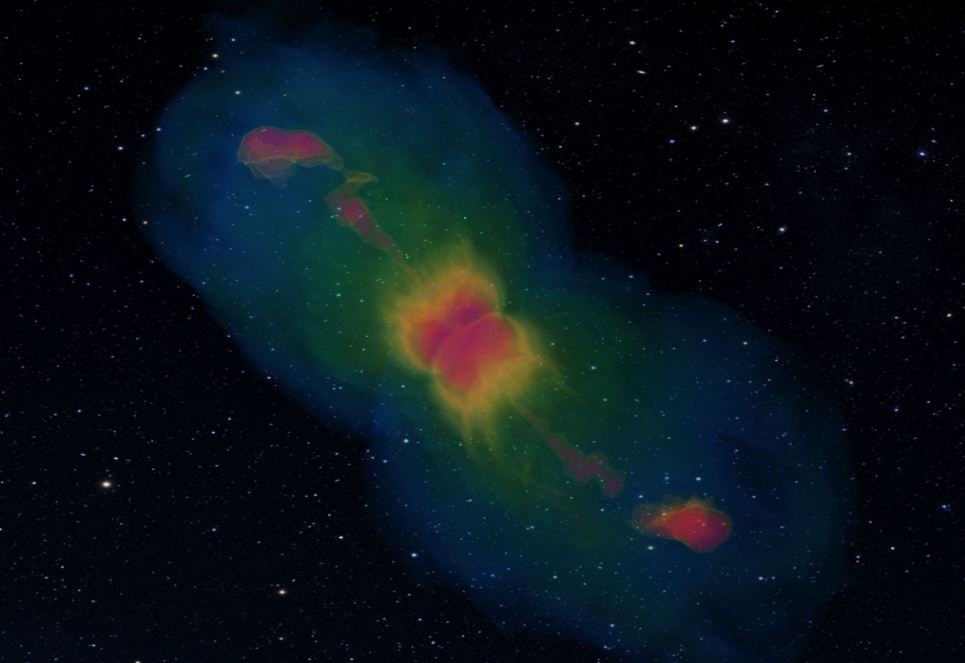
New Leicester space research has revealed, for the first time, a complex ‘tug-of-war’ lights up aurorae in Jupiter’s upper atmosphere, using a combination of data from NASA’s Juno probe and the Hubble Space Telescope.

The study, published in the Journal of Geophysical Research: Space Physics, describes the delicate current cycle driven by Jupiter’s rapid rotation and the release of sulphur and oxygen from volcanoes on its moon, Io.

Researchers from the University of Leicester’s School of Physics and Astronomy used data from Juno’s Magnetic Field Investigation (MAG), which measures Jupiter’s magnetic field from orbit around the gas giant, and observations from the Space Telescope Imaging Spectrograph carried by the Hubble Space Telescope.

Their research provides the strongest ...

Read More

Scientists unveil Promising New Approach to Diabetes Prevention

A team of scientists from Scripps Research has conducted promising early tests of a new strategy that might one day be used to prevent or treat type 2 diabetes.

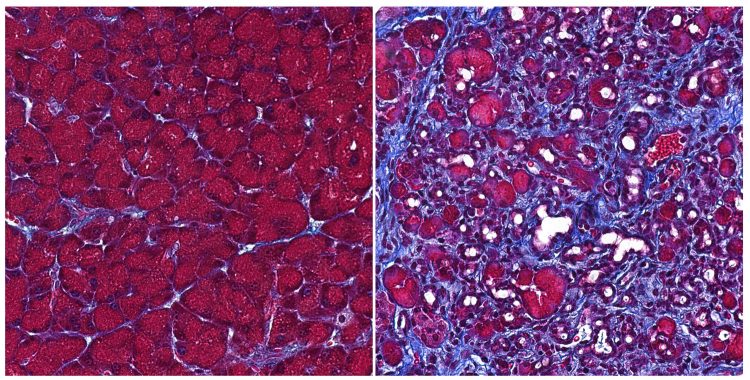
The scientists, whose results are reported in Nature Communications, tested an experimental compound called IXA4 in obese mice. They showed that the compound activates a natural signaling pathway that protects the animals from harmful, obesity-driven metabolic changes that would normally lead to diabetes.

“We were able to activate this pathway in both the liver and the pancreas with this one compound, and that added up to a significant overall improvement in metabolic health of obese animals,” says Scripps Research’s Luke Wiseman, Ph.D.

“This is the first time anyone has shown that a small molecule activating this pat...

Read More

Physicists Manipulate Magnetism with Light

Carina Belvin (left) and Edoardo Baldini work in the MIT lab of Professor Nuh Gedik.
Photo Credit: Tianchuang Luo

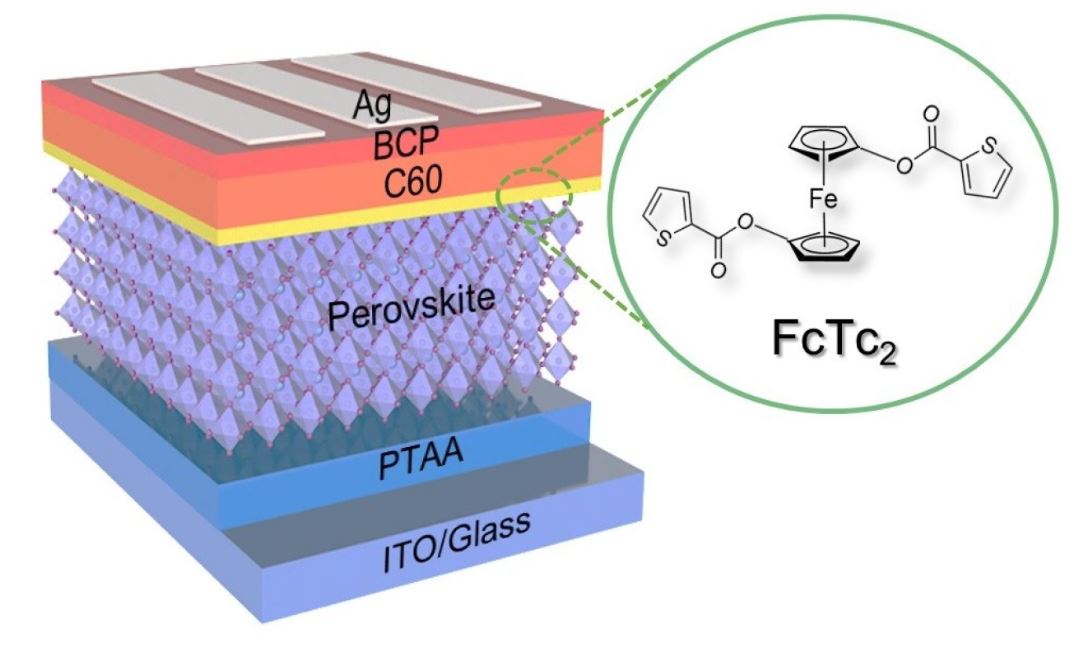
With the help of a “playground” they created for observing exotic physics, MIT scientists and colleagues have not only found a new way to manipulate magnetism in a material with light but have also realized a rare form of matter. The former could lead to applications including computer memory storage devices that can read or write information in a much faster way, while the latter introduces new physics.

A solid material is composed of different types of elementary particles, such as protons and neutrons. Also ubiquitous in such materials are “quasiparticles” that the public is less familiar with...

Read More

Even Dying Stars can still Give Birth to Planets

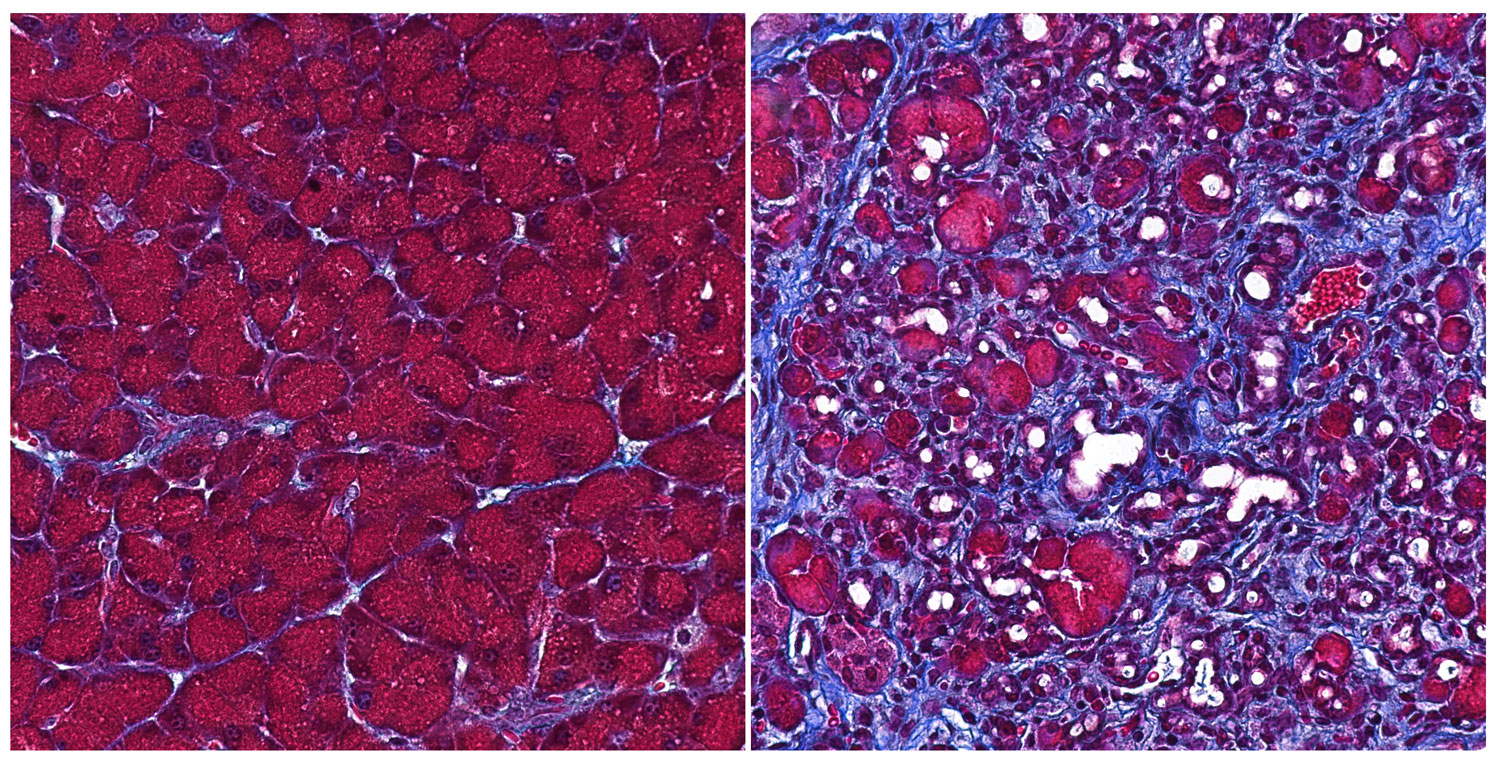
Planets are usually not much older than the stars around which they revolve. Take the Sun: it was born 4.6 billion years ago, and not long after that, Earth came into the world. But KU Leuven astronomers have discovered that a completely different scenario is also possible. Even if they are near death, some types of stars can possibly still form planets. If this is confirmed, theories on planet formation will need to be adjusted.

Planets such as Earth, and all other planets in our solar system, were formed not long after the Sun. Our Sun started to burn 4.6 billion years ago, and in the next million years, the matter around it clumped into protoplanets...

Read More