Cosmic Flashes pinpointed to a Surprising Location in Space

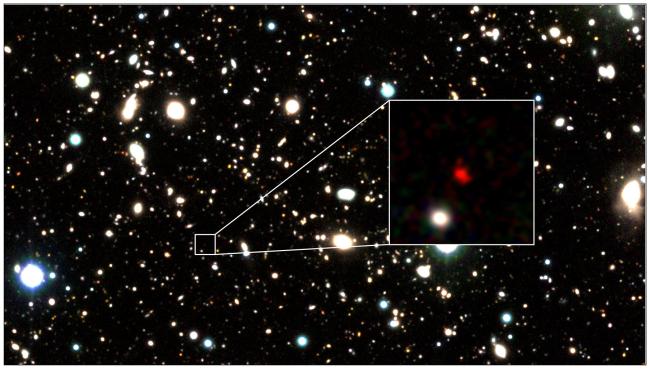
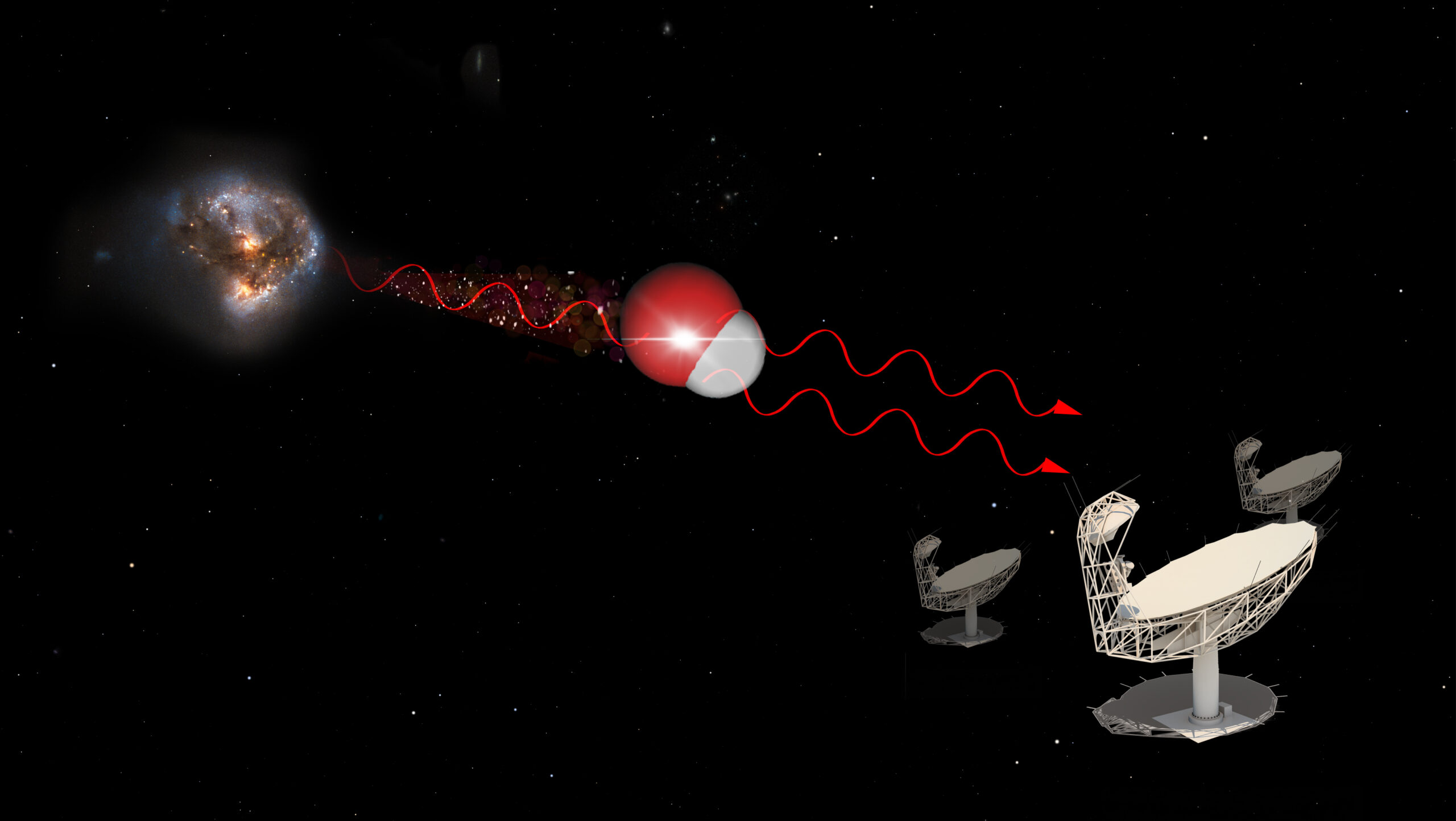
Astronomers have been surprised by the closest source of mysterious flashes in the sky called fast radio bursts. Precision measurements with radio telescopes reveal that the bursts are made among old stars, and in a way that no one was expecting. The source of the flashes, in nearby spiral galaxy M81, is the closest of its kind to Earth.

Fast radio bursts are unpredictable, extremely short flashes of light from space. Astronomers have struggled to understand them ever since they were first discovered in 2007. So far, they have only ever been seen by radio telescopes.

Each flash lasts only thousandths of a second. Yet each one sends out as much energy as the Sun gives out in a day. Several hundred flashes go off every day, and they have been seen all over the sky...

Read More

A Type of Virus present in the Gut Microbiota is Associated with Better Cognitive Ability in Humans, Mice and Flies

Study finds a greater presence of these viruses in people who eat dairy products in their regular diet. New research associates the presence of Caudovirales in gut microbiota to an improvement in cognitive functions and memory in humans, mice and flies. The article, published in the journal Cell Host & Microbe, was led by Dr. Jordi Mayneris-Perxachs and Dr. José Manuel Fernández-Real, of the Nutrition, Eumetabolism and Health group of the Girona Biomedical Research Institute (IDIBGI) Dr. Josep Trueta and CIBEROBN, and has been carried out in collaboration with the Neuropharmacology research group led by Dr...

Read More

Perfecting the EV Battery Recycling Process

Recycling of electric car batteries can be easier, cheaper, and more environmentally friendly, according to a new scientific article from Chalmers University of Technology, Sweden, which outlines an optimised recycling process. The research, published in the journal Waste Management, has been carried out by some of the world’s foremost experts in the field, and represents a vital step towards the electromobility society of the future.

As the use of electric vehicles (EVs) increases, recycling and recovery processes for EV batteries and the critical raw metals used in their production are becoming an increasingly important area of research...

Read More

Dwarf Planet Ceres: Organic Chemistry and Salt Deposits in Urvara Impact Crater

Numerous large, striking craters are found on the surface of dwarf planet Ceres.      

The third-largest crater on the dwarf planet Ceres was geologically active at least once many millions of years after its formation. In a recent study published today in the journal Nature Communications, researchers from the Max Planck Institute for Solar System Research (MPS) in Göttingen, the University of Münster (WWU) and the National Institute of Science Education and Research (NISER) in Bhubaneswar, India present the most detailed study of Urvara crater to date. For the first time, they evaluated camera images from the last phase of NASA’s Dawn mission, which reveal geological structures only a few meters in size. The Dawn spacecraft entered orbit around the dwarf planet in 2015 and studied it up close for about three and a half years...

Read More