Self-healing Nanomaterials usable in Solar Panels and other Electronic devices

Electron microscopy images displaying the formation of the hole on the surface of the nanocrystal and its movement inwards. Credit: Bekenstein lab

The field of self-repairing materials is rapidly expanding, and what used to be science fiction might soon become reality, thanks to scientists who developed eco-friendly nanocrystal semiconductors capable of self-healing. Their findings describe the process, in which a group of materials called double perovskites display self-healing properties after being damaged by the radiation of an electron beam.

From the Terminator to Spiderman’s suit, self-repairing robots and devices abound in sci-fi movies. In reality, though, wear and tear reduce the effectiveness of electronic devices until they need to be replaced...

Read More

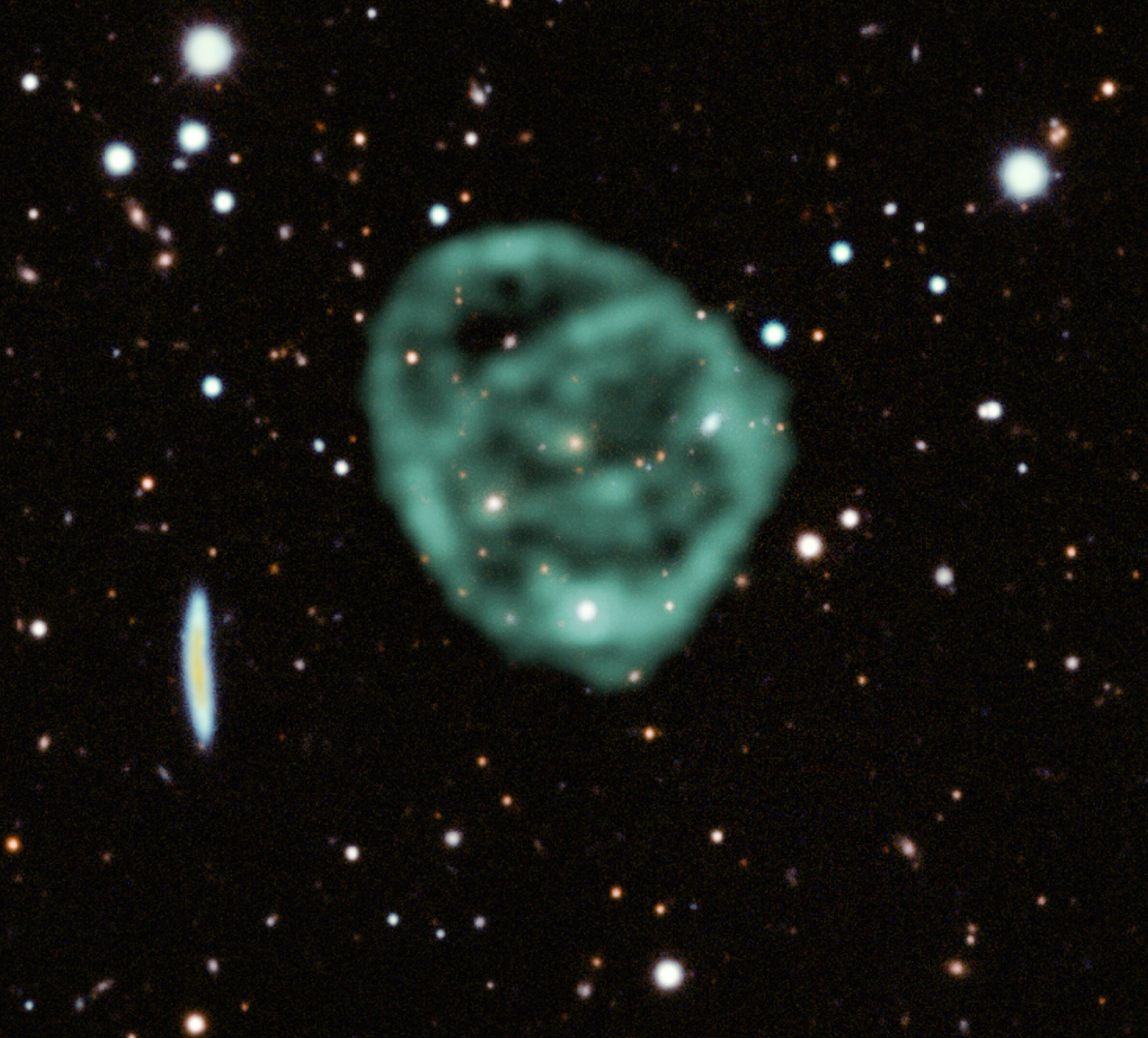
Liquid-Metal Experiment provides Insight into the Heating Mechanism of the Sun’s Corona

A plasma ejection during a solar flare. Immediately after the eruption, cascades of magnetic loops form over the eruption area as the magnetic fields attempt to reorganize. Credit: NASA/SDO and the AIA, EVE, and HMI science teams.

Why the sun’s corona reaches temperatures of several million degrees Celsius is one of the great mysteries of solar physics. A “hot” trail to explain this effect leads to a region of the solar atmosphere just below the corona, where sound waves and certain plasma waves travel at the same speed...

Read More

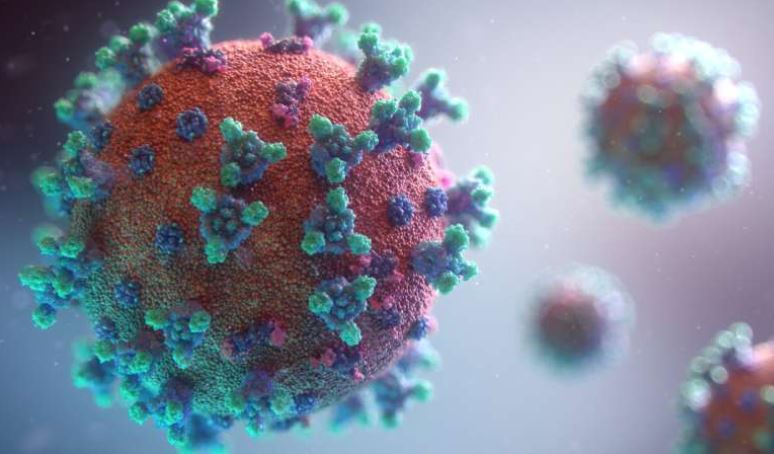
Parkinson’s Protein Blueprint could help Fast-track New Treatments

Microscopy image showing Parkin (cyan)
accumulating at the mitochondrial membrane
(magenta). PINK1 recruits Parkin to help
repair damaged mitochondria.

Researchers have solved a decade-long mystery about a critical protein linked to Parkinson’s disease that could help to fast-track treatments for the incurable disease.

The research, published in Nature, has for the first time produced a ‘live action’ view of the protein, called PINK1, in exquisite molecular detail. The discovery explains how the protein is activated in the cell, where it is responsible for initiating the removal and replacement of damaged mitochondria...

Read More

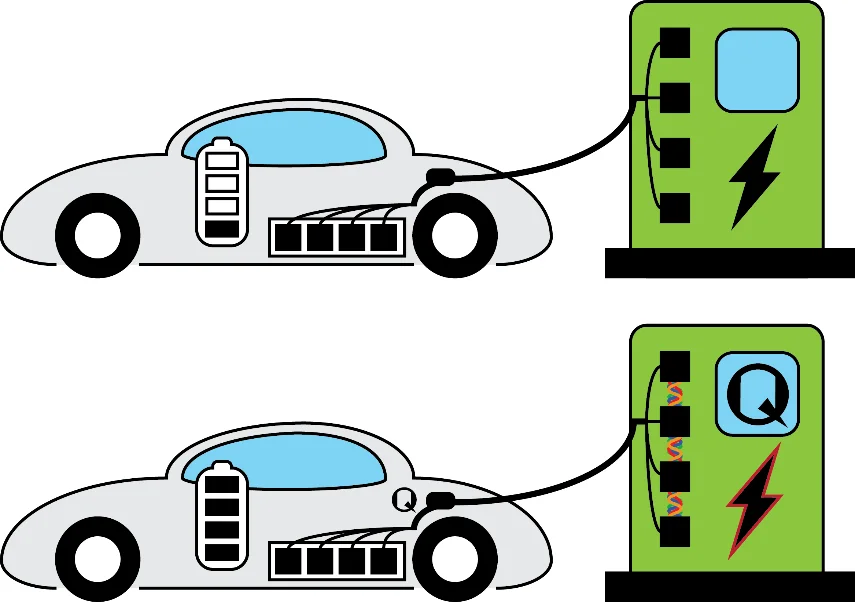
A-list Candidate for Fault-Free Quantum Computing Delivers Surprise

An artist’s impression of a neutron striking a sample of superconducting uranium ditelluride in experiments at Oak Ridge National Laboratory. Crystals of uranium (dark gray) and tellurium (brown) are suspected of hosting spin-triplet superconductivity, a state marked by electron pairs with spins pointed in the same direction (blue). In neutron scattering experiments, incoming neutrons disrupt pairs by flipping one spin in the opposite direction (red), revealing telltale evidence of the pair’s quantum mechanical state. (Credit: Jill Hemman/ORNL)

Puzzling result forces physicists to rethink ‘spin-triplet’ superconductivity...

Read More