
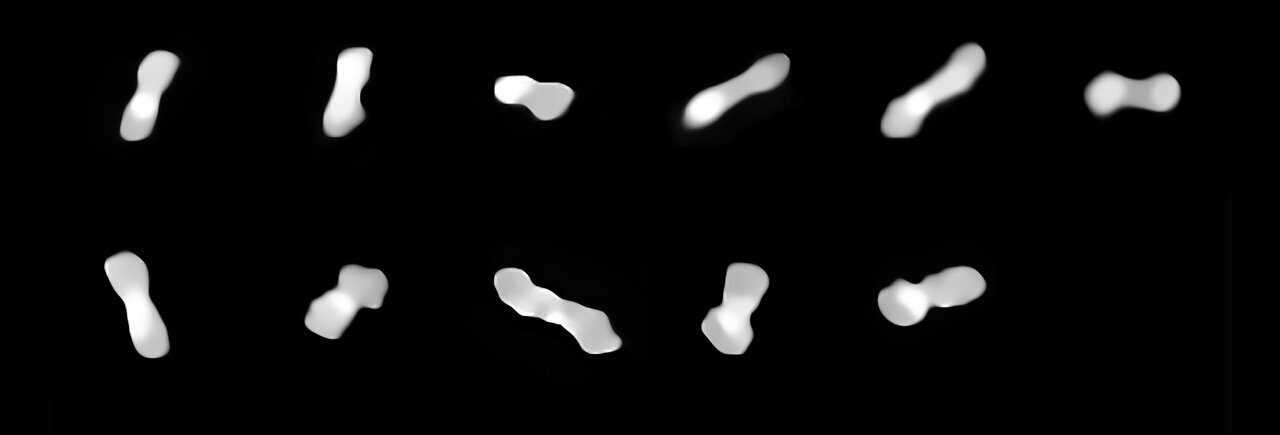
Using the European Southern Observatory’s Very Large Telescope (ESO’s VLT), a team of astronomers have obtained the sharpest and most detailed images yet of the asteroid Kleopatra...
Read More


Until we recognize the essential role of biology, our attempts to truly unify the universe will remain a train to nowhere. ~Robert Lanza Read More

Good health is not something we can buy. However, it can be an extremely valuable savings account. ~Anne Wilson Schaef Read More

The only way forward, if we are going to improve the quality of the environment, is to get everybody involved. ~Richard Rogers Read More

To raise new questions, new possibilities, to regard old problems from a new angle, requires creative imagination and marks real advance in science. ~Albert Einstein Read More

Old Newtonian physics claimed that things have an objective reality separate from our perception of them. Quantum physics, and particularly Heisenberg's Uncertainty Principle, reveal that, as our perception of an object changes, the object itself literally changes. ~Marianne Williamson Read More

Astronomy compels the soul to look upwards and leads us from this world to another. ~ Read More
September 10, 2021,
 Astronomy/Space
Using the European Southern Observatory’s Very Large Telescope (ESO’s VLT), a team of astronomers have obtained the sharpest and most detailed images yet of the asteroid Kleopatra...
Read More
September 10, 2021,
Astronomy/Space, Health/Medical, Biology/Biotechnology
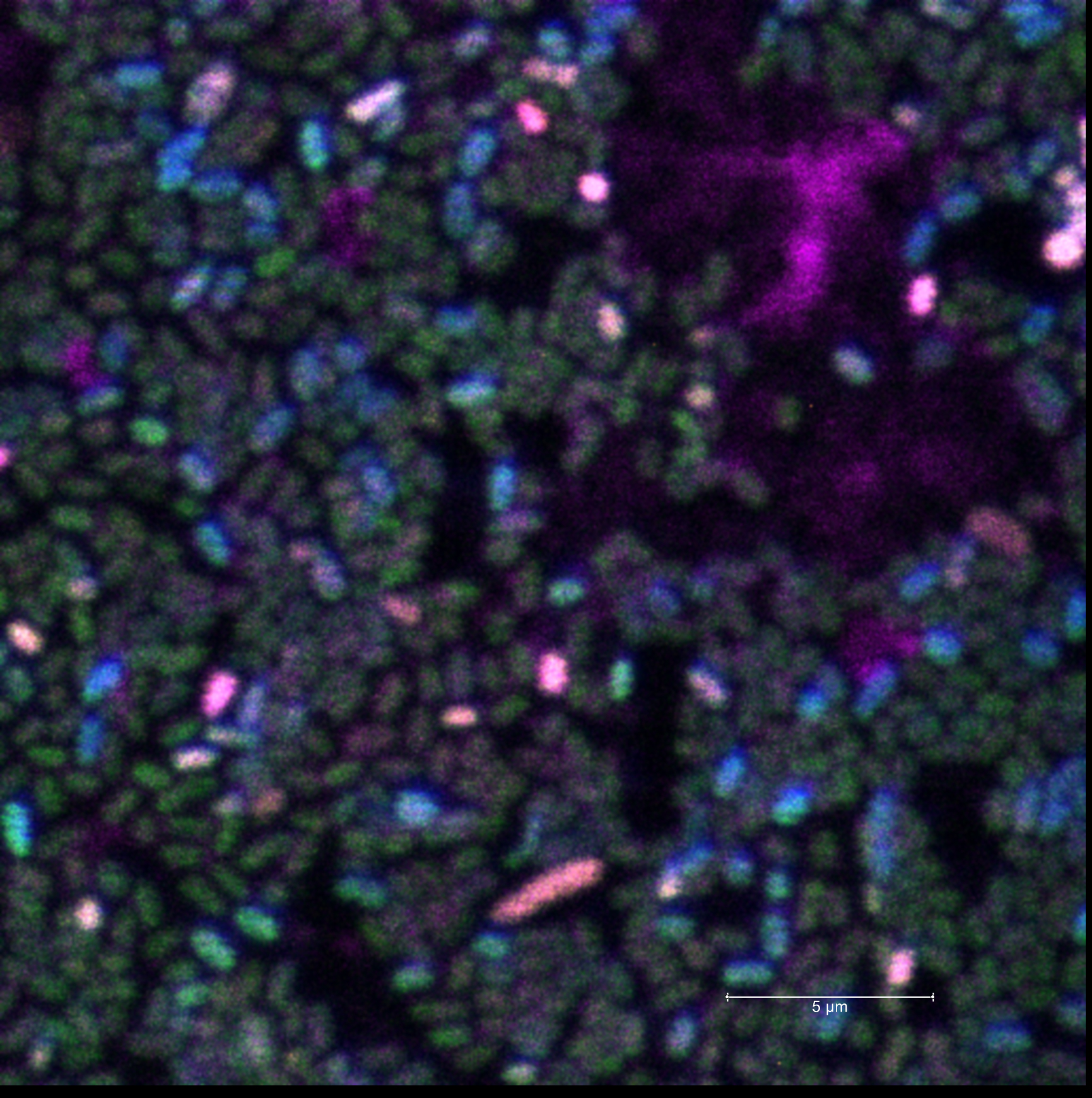
In a first study of its kind, scientists characterized different bacterial populations isolated over time from potable (drinking) water from the International Space Station (ISS).
By all appearances, the universe beyond Earth is a vast, lonely, and sterile space. Yet, wherever humans may travel, an abundance of microbial life will follow.
In a first study of its kind, lead author Jiseon Yang at th...
Read More
September 9, 2021,
Astronomy/Space
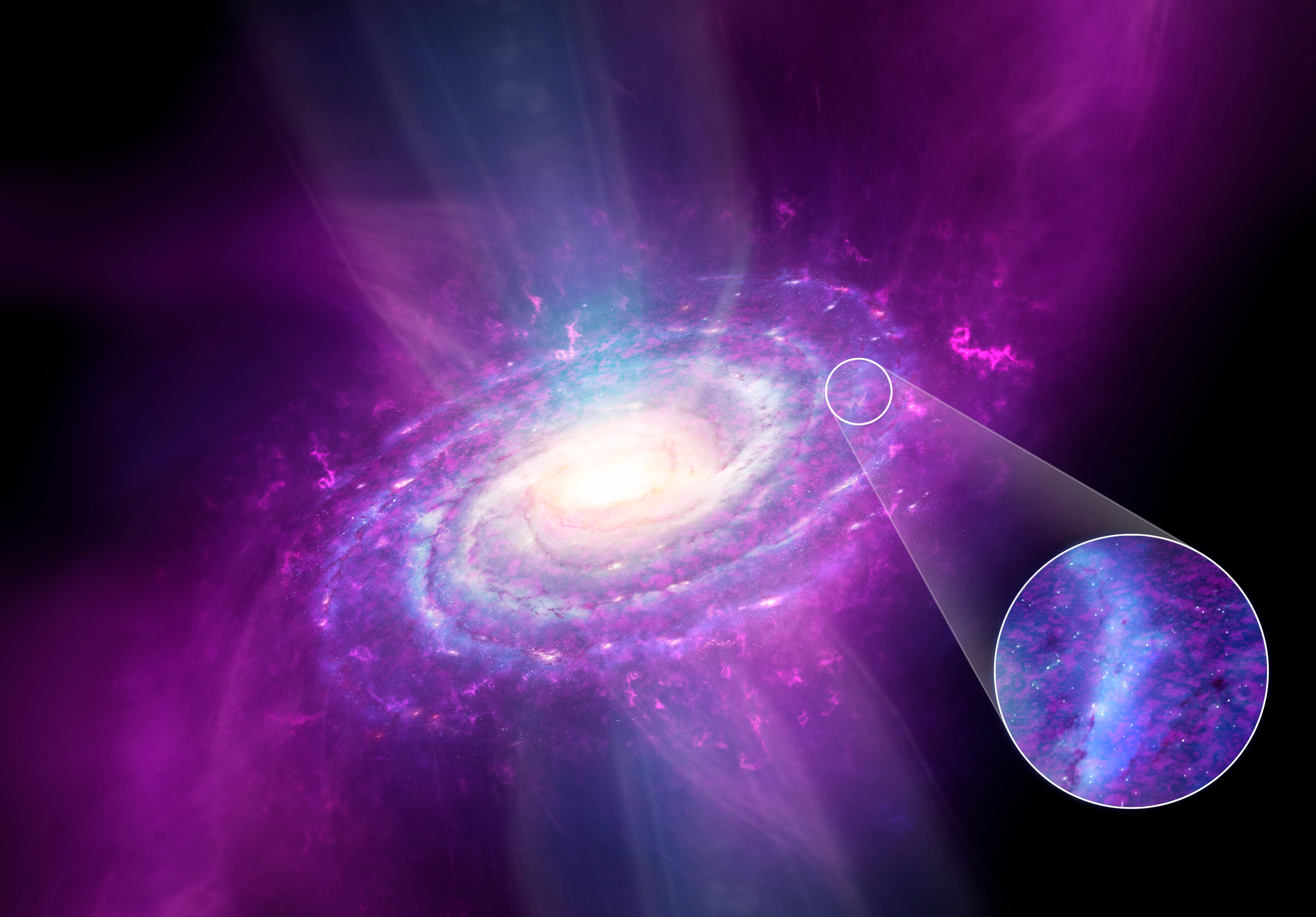
In order to better understand the history and evolution of the Milky Way, astronomers are studying the composition of the gases and metals that make up an important part of our galaxy. Three main elements stand out: the initial gas coming from outside our galaxy, the gas between the stars inside our galaxy—enriched with chemical elements –, and the dust created by the condensation of the metals present in this gas.
Until now, theoretical models assumed that these three elements were homogeneously mixed throughout the Milky Way and reached a level of chemical e...
Read More
September 8, 2021,
Health/Medical, Biology/Biotechnology

A genomic analysis of lung cancer in people with no history of smoking has found that a majority of these tumors arise from the accumulation of mutations caused by natural processes in the body. This study was conducted by an international team led by researchers at the National Cancer Institute (NCI), part of the National Institutes of Health (NIH), and describes for the first time three molecular subtypes of lung cancer in people who have never smoked.
These insights will help unlock the mystery of how lung cancer arises in people who have no history of smoking and may guide the development of more precise clinical treatments. The findings were published September 6, 2021, in Nature Genetics.
“What we’re seeing is that there a...
Read More
Recent Comments