LDL tagged posts

A gut microbe makes a fatty acid that cuts artery plaque in half in mice

A gut microbe makes a fatty acid that cuts artery plaque in half in mice
Summary diagram depicting the role of pentadecanoic acid in the modulation of hepatic cholesterol metabolism and atherosclerosis progression. Credit: Nature (2026). DOI: 10.1038/s41586-026-11142-x

A common gut bacterium produces a molecule that slows cholesterol production in the liver. When researchers gave the molecule to mice prone to artery disease, the animals developed roughly half as much fatty plaque as untreated controls.

The molecule acts on the same enzyme targeted by statins, the widely used cholesterol-lowering drugs. That connection offers a concrete explanation for something harder to untangle: how bacteria living in the intestine might influence the health of arteries elsewhere in the body.

Researchers at institutions including Sun Yat-sen University and Shenzhen ...

Read More
Swap Red Meat for Quorn Protein to Improve Heart Health and Reduce Waist Circumference, study finds

Swap red meat for Quorn protein to improve heart health and reduce waist circumference, study finds

People looking to reduce their cholesterol and trim fat from around their waist could try swapping meat for Quorn protein, according to the findings from a new study by Northumbria University, Newcastle, published in the European Journal of Nutrition, which saw positive effects in both areas in just two weeks.

Researchers from the University found that participants who ate Quorn products — the popular mycoprotein-based meat substitute — over just a two-week period, saw a significant 12% drop in ‘bad’ LDL cholesterol and a 7% fall in total cholesterol, compared to those who ate similar products made from red and processed meat. In addition, they also reduced their waist circumference by close to 1cm (0.95cm) on average over the 14 days.

Such a drop in total cholesterol levels cou...

Read More

Elevated Lipoprotein(a) found to increase the Risk of Recurrent Coronary Heart Disease

cholesterol
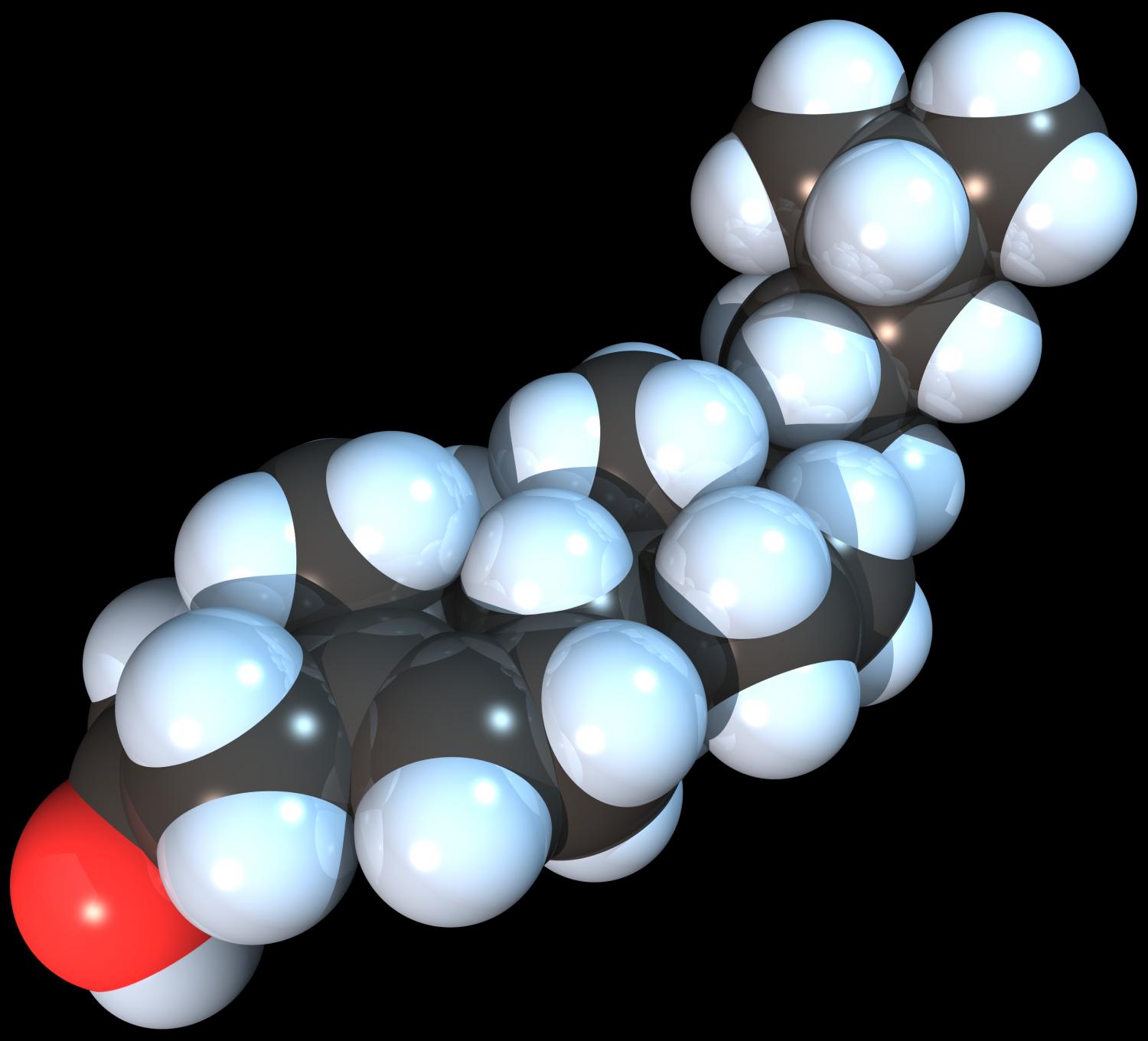
Space-filling model of the Cholesterol molecule. Credit: RedAndr/Wikipedia

Increased levels of lipoprotein(a), a variant of “bad cholesterol” in the bloodstream, are a risk factor for recurrent coronary heart disease (CHD) in people aged 60 or over, according to the results of a new study which tracked the issue over the course of 16 years.

The results, published today in Current Medical Research & Opinion, suggest that current cholesterol-lowering medications may not be effective at reducing the risk of recurrent CHD—such as a heart attack—due to elevated Lp(a).

“This finding adds to growing evidence of a relationship between increased Lp(a) and the risk of recurrent CHD,” says lead author Associate Professor Leon Simons, from the School of Clinical Medicine, at the Universi...

Read More

‘Bad Fat’ Suppresses Killer T cells from Attacking Cancer

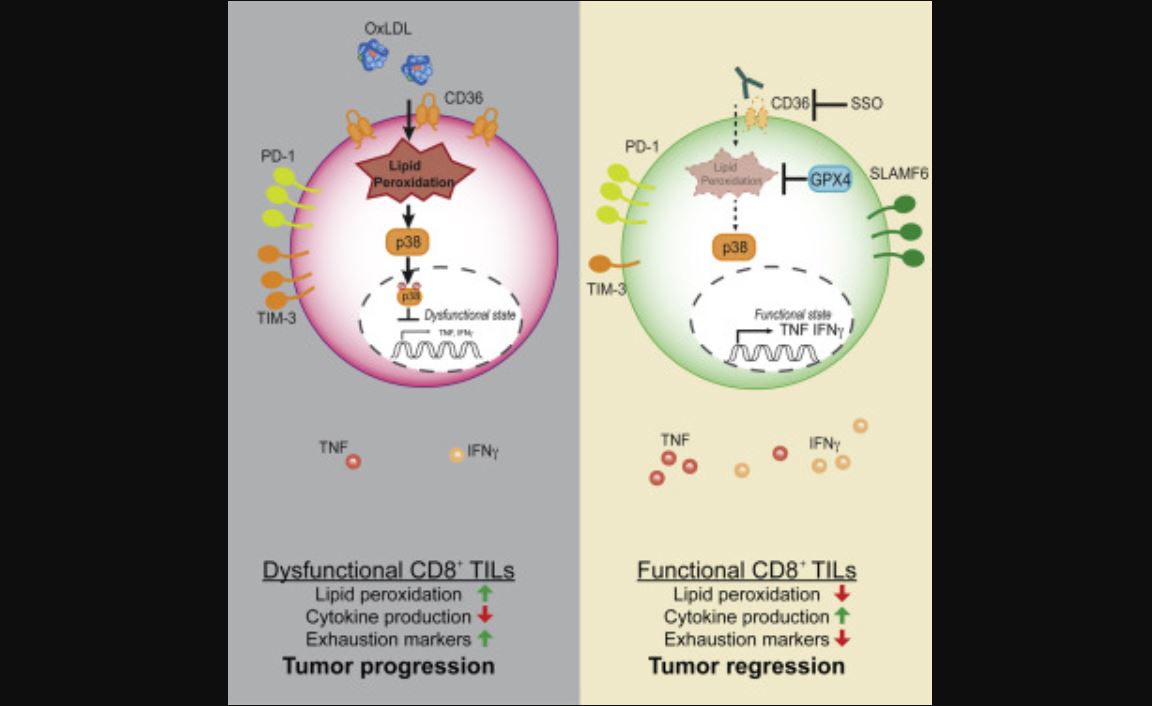
In order for cancer to grow and spread, it has to evade detection by our immune cells, particularly specialized “killer” T cells. Salk researchers led by Professor Susan Kaech have found that the environment inside tumors (the tumor microenvironment) contains an abundance of oxidized fat molecules, which, when ingested by the killer T cells, suppresses their ability to kill cancer cells. In a vicious cycle, those T cells, in need of energy, increase the level of a cellular fat transporter, CD36, that unfortunately saturates them with even more oxidized fat and further curtails their anti-tumor functions.

The discovery, published online in Immunity on June 7, 2021, suggests new pathways for safeguarding the immune system’s ability to fight cancer by reducing the oxidative lipid dama...

Read More