Machine learning tagged posts

Key step toward Personalized Medicine: Modeling Biological Systems

Brian D. Wood

A new study by the Oregon State University College of Engineering shows that machine learning techniques can offer powerful new tools for advancing personalized medicine, care that optimizes outcomes for individual patients based on unique aspects of their biology and disease features.

The research with machine learning, a branch of artificial intelligence in which computer systems use algorithms and statistical models to look for trends in data, tackles long-unsolvable problems in biological systems at the cellular level, said Oregon State’s Brian D. Wood, who conducted the study with then OSU Ph.D. student Ehsan Taghizadeh and Helen M. Byrne of the University of Oxford.

“Those systems tend to have high complexity — first because of the vast number of individual ce...

Read More

Data from Smartwatches can help Predict Clinical Blood Test results

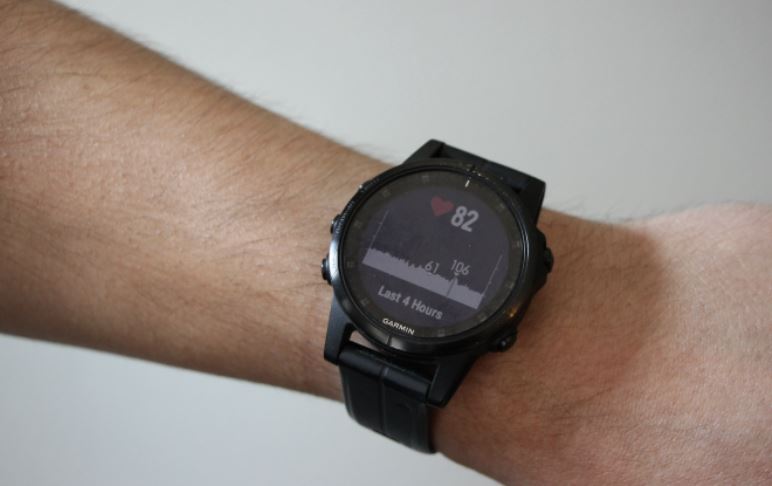
The image shows the heart rate monitor reading on a standard smart watch.

Long-term data gathered from wearables can quicky indicate illness and other abnormalities in a patient’s health. Smartwatches and other wearable devices may be used to sense illness, dehydration and even changes to the red blood cell count, according to biomedical engineers and genomics researchers at Duke University and the Stanford University School of Medicine.

The researchers say that, with the help of machine learning, wearable device data on heart rate, body temperature and daily activities may be used to predict health measurements that are typically observed during a clinical blood test. The study appears in Nature Medicine on May 24, 2021.

During a doctor’s office visit, a medical worker usually m...

Read More

New method uses Device Cameras to Measure Pulse, Breathing Rate and could help Telehealth

A person holding a phone in front of their face
A UW-led team has developed a method that uses the camera on a person’s smartphone or computer to take their pulse and breathing rate from a real-time video of their face.Cristina Zaragoza/Unsplash

Telehealth has become a critical way for doctors to still provide health care while minimizing in-person contact during COVID-19. But with phone or Zoom appointments, it’s harder for doctors to get important vital signs from a patient, such as their pulse or respiration rate, in real time.

A University of Washington-led team has developed a method that uses the camera on a person’s smartphone or computer to take their pulse and respiration signal from a real-time video of their face...

Read More

AI can Predict Early Death Risk

Two New AI Can Predict a Person's Death and a COVID-19 Patients Mortality: One of Them is 90% Accurate!
(Photo : Photo by Go Nakamura/Getty Images)
HOUSTON, TX – JUNE 30: (EDITORIAL USE ONLY) Medical staff wearing full PPE wrap a deceased patient with bed sheets and a body bag in the Covid-19 intensive care unit at the United Memorial Medical Center on June 30, 2020 in Houston, Texas. Covid-19 cases and hospitalizations have spiked since Texas reopened, pushing intensive-care wards to full capacity and sparking concerns about a surge in fatalities as the virus spreads.

Algorithm using echocardiogram videos of the heart outperforms other predictors of mortality. Researchers at Geisinger have found that a computer algorithm developed using echocardiogram videos of the heart can predict mortality within a year.

The algorithm – an example of what is known as machine learning, or artificial...

Read More