microbiota tagged posts

Loss of microbiota alters the profile of cells that protect the intestinal wall, experiments reveal

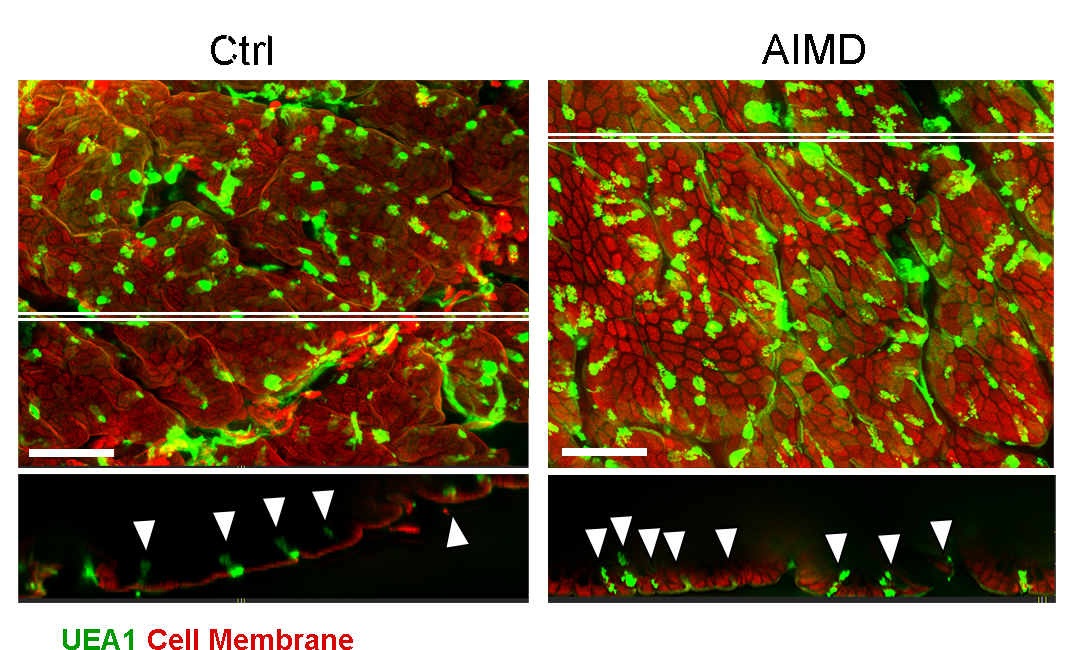
In red, intestinal wall cells producing less mucus (in green) in the large intestine of animals whose microbiota was depleted by antibiotics (right). On the left, the intestinal wall of animals that maintained an intact bacterial population produces more mucus (image: Vinicius Dias Nirello/IB-UNICAMP)

A research team led by scientists from the State University of Campinas (UNICAMP) in São Paulo, Brazil, has made significant progress in understanding the relationship between gut microbiota and intestinal cells. The study, published in the journal Gut Microbes, showed how microbiota and the compounds it produces, such as butyrate, influence the functioning of cells that line the large intestine...

Read More
Eating Red Meat may Increase your Risk of Type 2 Diabetes—not a lot of people know that

packaged meat
Credit: Pixabay/CC0 Public Domain

Red meat has been a part of diets worldwide since early man. It is an excellent source of protein, vitamins (such as B vitamins) and minerals (such as iron and zinc). However, red meat has long been associated with increasing the risk of heart disease, cancer and early death. What may not be so well known is the link between red meat consumption and type 2 diabetes.

A paper published in The Lancet in September 2024 highlighted this link to type 2 diabetes using data from the Americas, the Mediterranean, Europe, south-east Asia and the Western Pacific (20 countries included).

This recent study, with nearly 2 million participants, found that high consumption of unprocessed red meat, such as beef, lamb and pork, and processed meat, such as bacon, sa...

Read More

Gut Microbiome Influences Location of Immune Cells, study finds

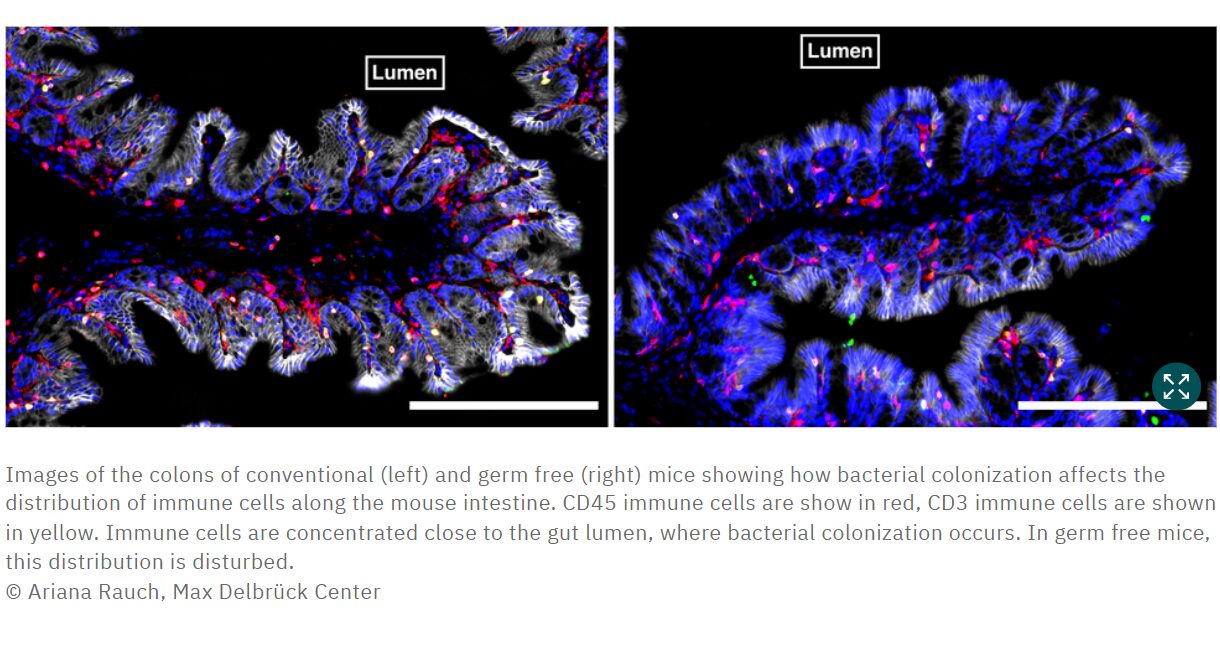
Researchers at the Experimental and Clinical Research Center of Max Delbrück Center and Charité — Universitätsmedizin Berlin (ECRC) have found that different anatomical sections of the gastrointestinal tracts of mice carry different compositions of microbial communities. Moreover, the specific makeup of the microbiota can influence the type and abundance of immune cells in any particular region. The study, which was published in Gut Microbes, maps the complex spatial organization of immune cells and microbial communities, providing a tool for studying the interaction between gut microbes and inflammatory diseases.

Previous research has hinted at the existence of “hotspots” along the GI tract where specific immune cells and microbes might interact more intensely.

But no one ha...

Read More

Treating the Gut-Brain Connection with B Vitamins to Treat Parkinson’s Disease

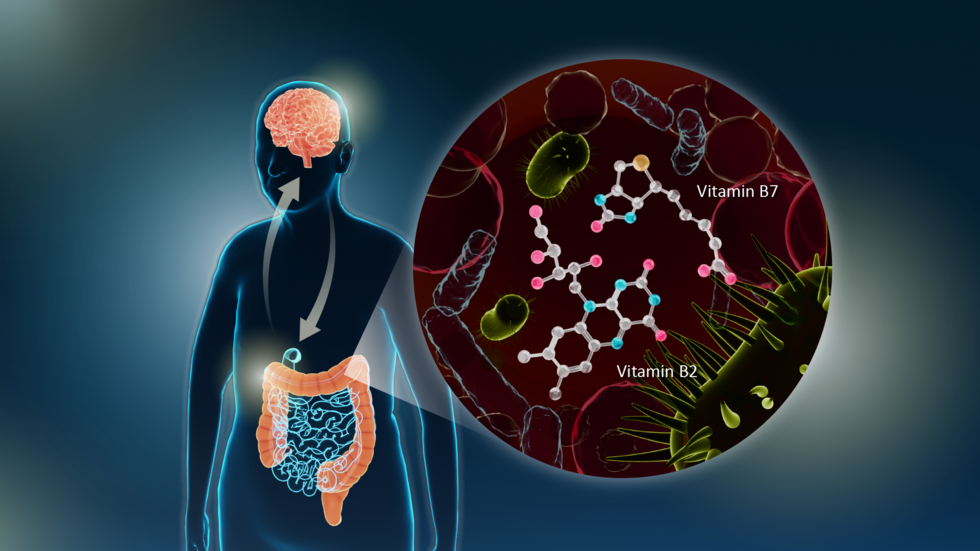
A study led by Nagoya University Graduate School of Medicine in Japan has revealed a link between gut microbiota and Parkinson’s disease (PD). The researchers found a reduction in the gut bacteria of genes responsible for synthesizing the essential B vitamins B2 and B7. They also identified a relationship between the lack of these genes and low levels of agents that help maintain the integrity of the intestinal barrier. This barrier prevents toxins from entering the bloodstream, which causes the inflammation seen in PD. Their findings, published in npj Parkinson’s Disease, suggest that treatment with B vitamins to address these deficiencies can be used to treat PD.

PD is characterized by a variety of physical symptoms that hinder daily activities and mobility, such as shaking, slow...

Read More