
obesity tagged posts

Excess Coffee Consumption a Culprit for Poor Health

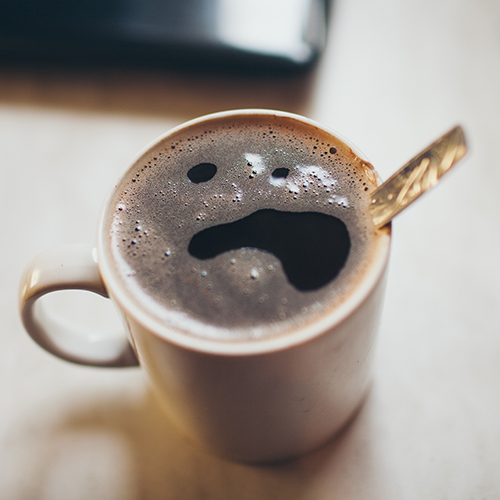
sick face on froth of coffee
Association between habitual coffee consumption and multiple disease outcomes: A Mendelian randomisation phenome-wide association study in the UK Biobank
Konstance Nicolopoulos, Anwar Mulugeta, Ang Zhou,Elina Hyppönen

Published:March 13, 2020DOI:https://doi.org/10.1016/j.clnu.2020.03.009

Cappuccino, latte or short black, coffee is one of the most commonly consumed drinks in the world. But whether it’s good or bad for your health can be clarified by genetics, as a world-first study from the University of South Australia’s Australian Centre for Precision Health shows that excess coffee consumption can cause poor health.

Using data from over 300,000 participants in the UK Biobank, researchers examined connections between genetically instrumented habitual coffee consumption and a full ra...

Read More
Brown Fat can Burn Energy in an unexpected way

FGF6 and FGF9 regulate UCP1 expression independent of brown adipogenesisNature Communications, 2020; 11 (1) DOI: 10.1038/s41467-020-15055-9

Researchers have discovered an unexpected biological pathway by which brown fat cells can translate energy into heat. When we are exposed to sufficient cold or exercise, small clusters of brown fat cells in our bodies begin to burn up energy. Since 2009, when researchers at Joslin Diabetes Center and other institutions discovered that this helpful form of fat can be active in adults, scientists have sought to turn up the heat from these cells to treat obesity, diabetes and other metabolic conditions.

Researchers in the lab of Joslin’s Yu-Hua Tseng, PhD, a Senior Investigator in the Section on Integrative Physiology and Metabolism, now have dis...

Read More

Study finds Dopamine, Biological Clock link to Snacking, Overeating and Obesity

Biology professor Ali Güler’s research links “highly processed foods readily and cheaply available at any time of the day or night” to obesity and its many complications via disrupted circadian rhythms.
Biology professor Ali Güler’s research links “highly processed foods readily and cheaply available at any time of the day or night” to obesity and its many complications via disrupted circadian rhythms. (Photos by Dan Addison, University Communications)

A new study finds that the pleasure center of the brain and the brain’s biological clock are linked, and that high-calorie foods – which bring pleasure – disrupt normal feeding schedules, resulting in overconsumption.

During the years 1976 through 1980, 15% of U.S. adults were obese. Today, about 40% of adults are obese. Another 33% are overweight.

Coinciding with this increase in weight are ever-rising rates of heart disease, diabetes, cancer and health complications caused by obesity, such as hypertension...

Read More

Scientists Block RNA Silencing Protein in Liver to Prevent Obesity and Diabetes in Mice

Effects of hepatic Ago2-deficiency on MD-miRNA expression in the liver

Effects of hepatic Ago2-deficiency on MD-miRNA expression in the liver

New treatment for a major health problem? Obesity and its related ailments like type 2 diabetes and fatty liver disease pose a major global health burden, but researchers report in Nature Communications that blocking an RNA-silencing protein in the livers of mice keeps the animals from getting fat and diabetic conditions.

Takahisa Nakamura, PhD, and colleagues at Cincinnati Children’s Hospital Medical Center genetically deleted a protein called Argonaute 2 (Ago2) from the livers of mice. Ago2 controls the silencing of RNA in cells, affecting energy metabolism in the body, according to the study...

Read More