semiconductor tagged posts

Component for Brain-Inspired Computing

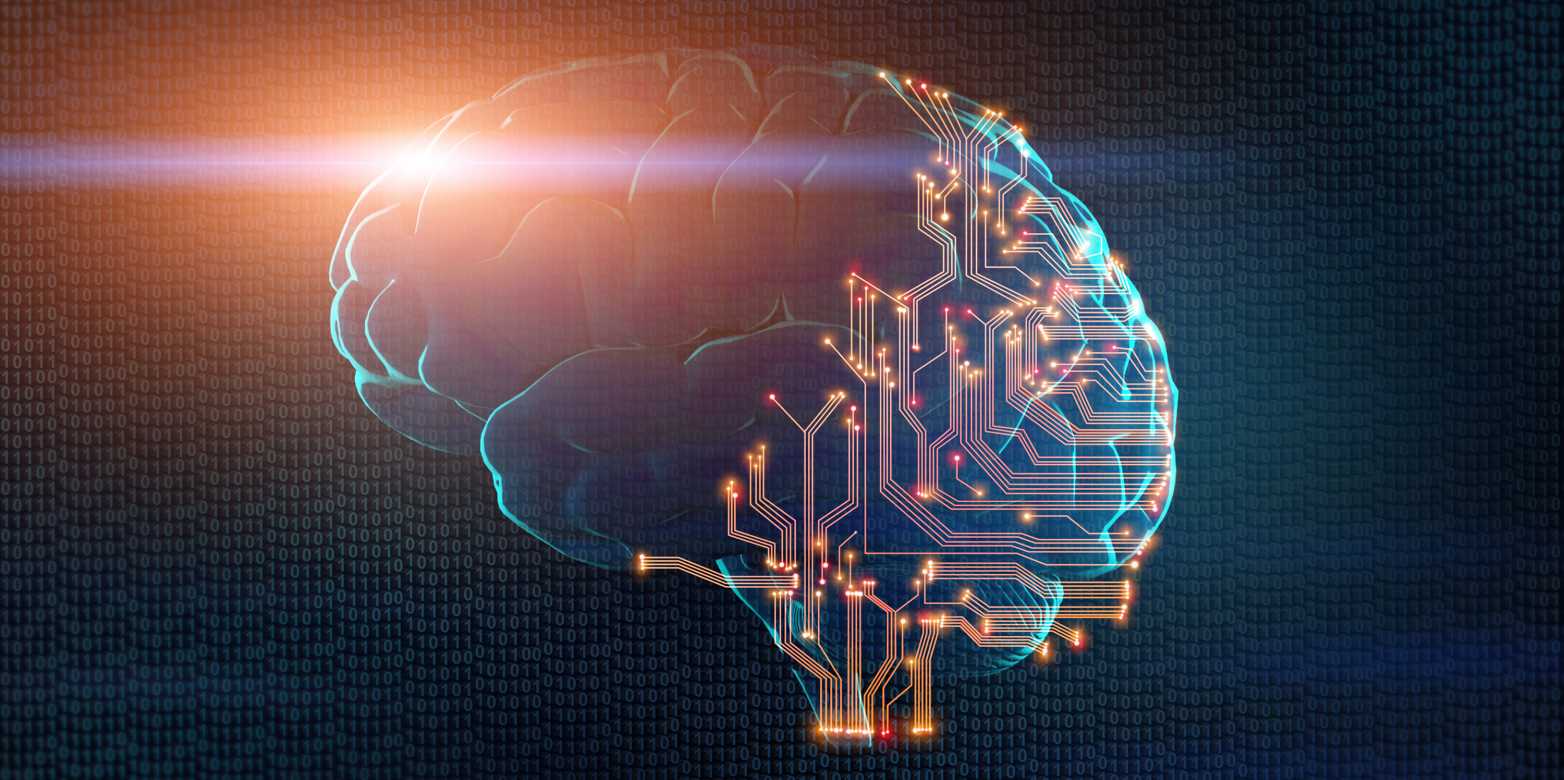
Scientists aim to perform machine-​learning tasks more efficiently with processors that emulate the working principles of the human brain. (Visualisations: Adobe Stock)

Researchers from ETH Zurich, the University of Zurich and Empa have developed a new material for an electronic component that can be used in a wider range of applications than its predecessors. Such components will help create electronic circuits that emulate the human brain and that are more efficient at performing machine-​learning tasks.

Compared with computers, the human brain is incredibly energy efficient. Scientists are therefore drawing on how the brain and its interconnected neurons function for inspiration in designing innovative computing technologies...

Read More

Novel Heat-Management material keeps Computers Running Cool

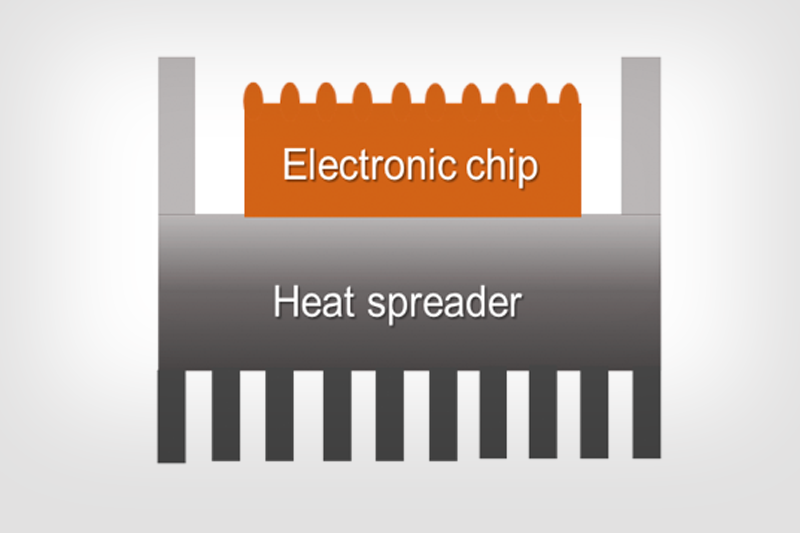
Schematic illustrating thermal management in electronics chip packaging

UCLA engineers have demonstrated successful integration of a novel semiconductor material into high-power computer chips to reduce heat on processors and improve their performance. The advance greatly increases energy efficiency in computers and enables heat removal beyond the best thermal-management devices currently available.

The research was led by Yongjie Hu, an associate professor of mechanical and aerospace engineering at the UCLA Samueli School of Engineering. Nature Electronics recently published the finding in this article.

Computer processors have shrunk down to nanometer scales over the years, with billions of transistors sitting on a single computer chip...

Read More

Blue Phosphorus: How a Semiconductor becomes a Metal

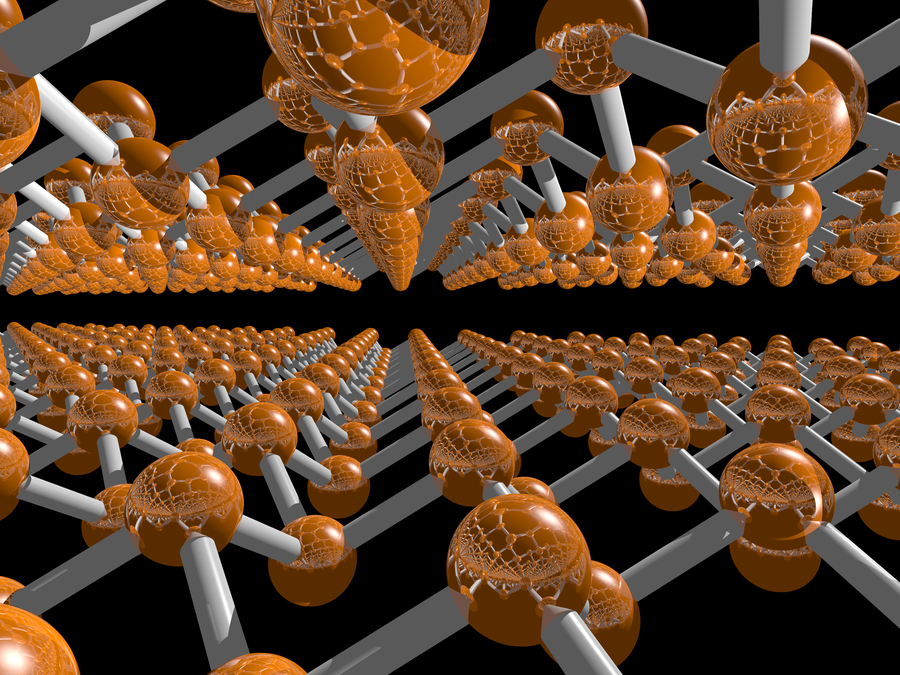
The international team modelled a two-layer buckled honeycomb structure of blue phosphorus by means of highly precise calculations on high-performance computers. The compound is very stable and due to the very small distance between the two layers, it has metallic properties.

Blue phosphorus, an atomically thin synthetic semiconductor, becomes metallic as soon as it is converted into a double layer. The scientists describe the possibility of constructing nanoscale, highly efficient transistors consisting of only one element.

The results of these investigations were published as highlight article in the current issue of the journal Physical Review Letters.

The chemical element phosphorus is considered one of the most essential elements for life...

Read More

Liquid Metals come to the Rescue of Semiconductors

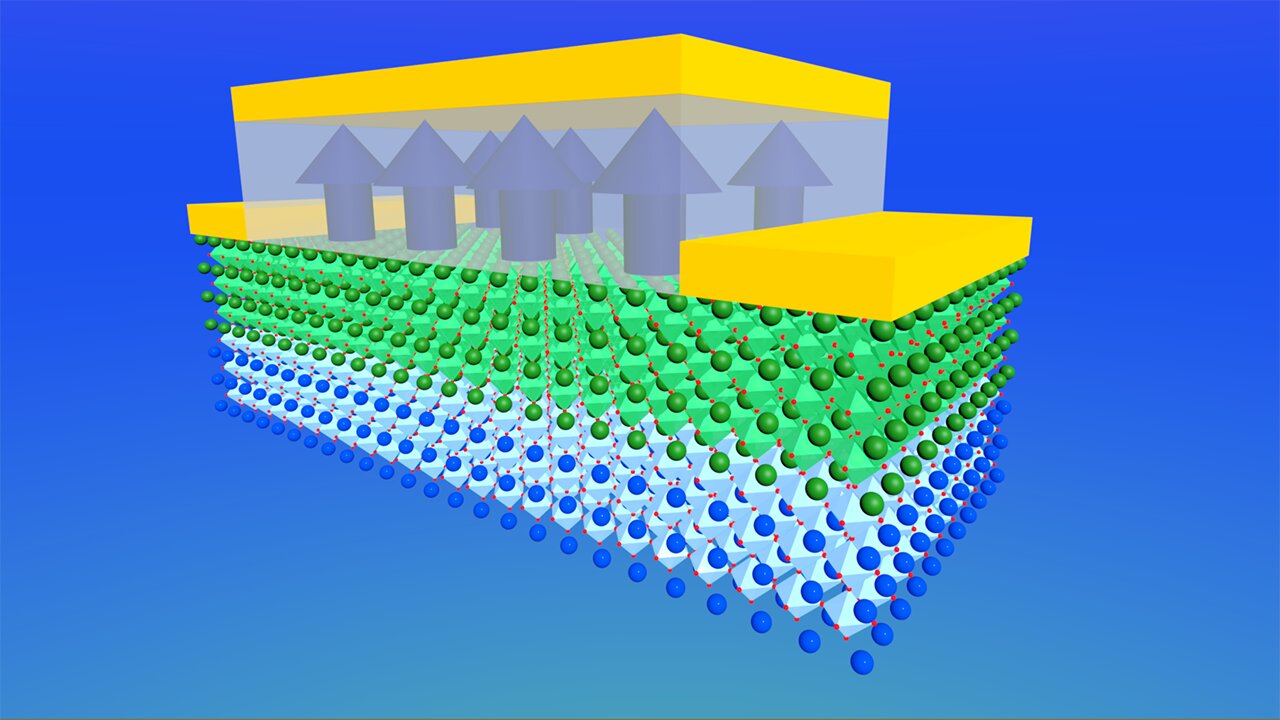
New deposition approach: synthesising and exfoliating (transferring onto a silicon substrate for example) 2D semiconducting MoS2

Possible pathway to fast-switching, ultra-low energy electronics based on 2D materials. Two-dimensional semiconductors offer a possible solution to the limited potential for further shrinking traditional silicon-based electronics: the long-predicted end of ‘Moore’s Law’. 2D-based electronics, which could eliminate wasted dissipation of heat and allow for very fast, ultra-low energy operation, could be enabled by a new liquidmetal deposition technique.

Moore’s law is an empirical suggestion describing that the number of transistors doubles every few years in integrated circuits (ICs)...

Read More